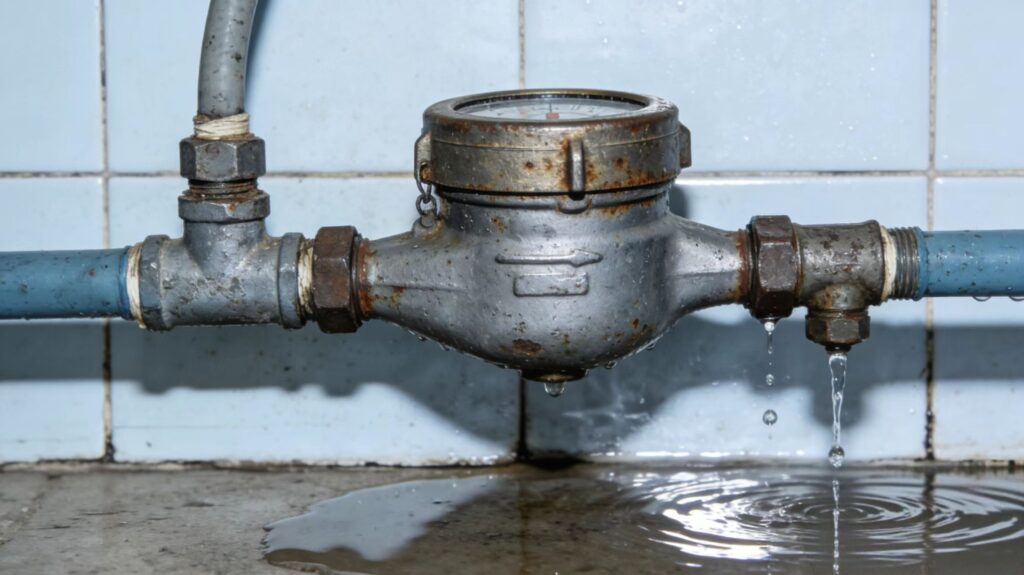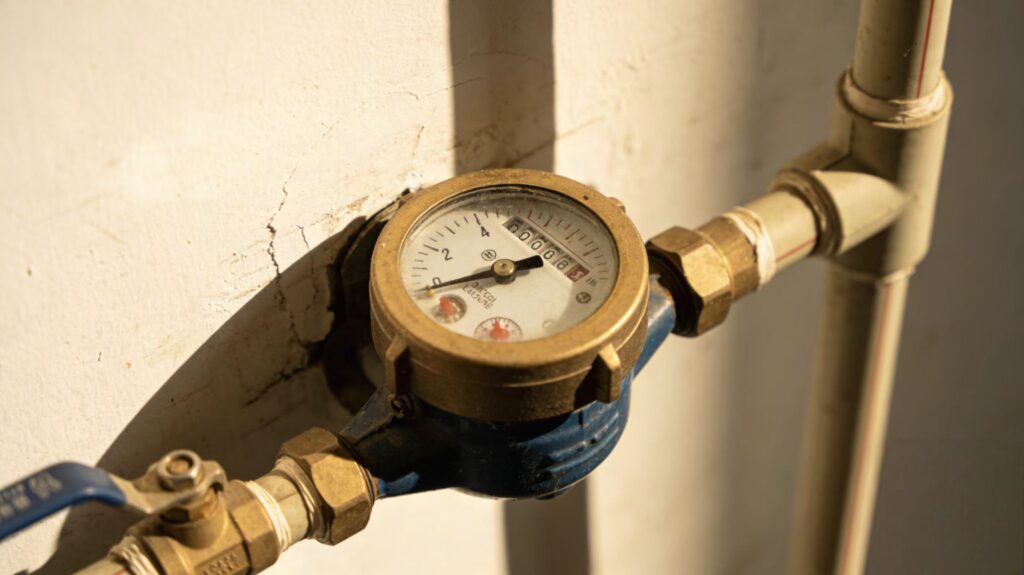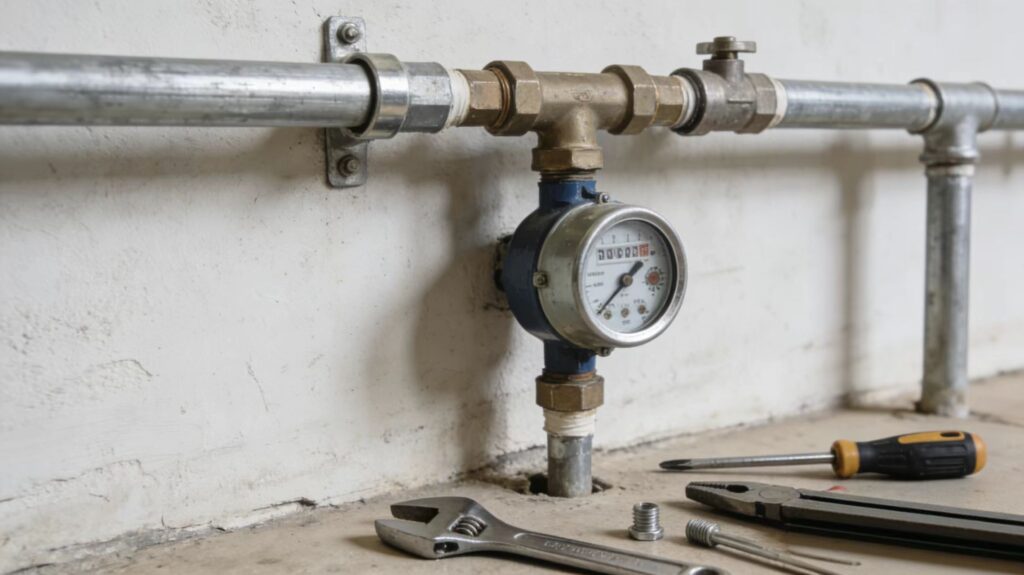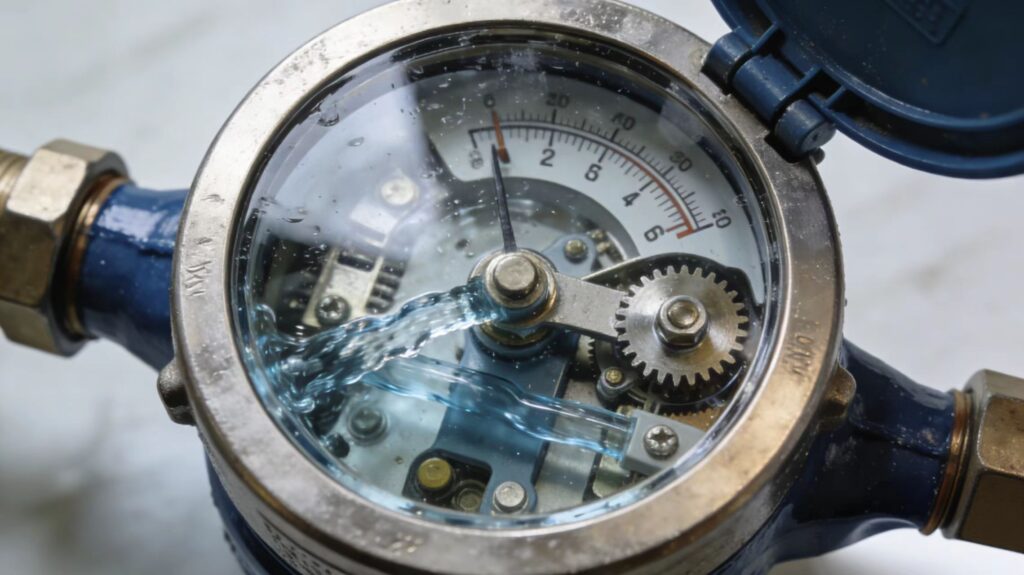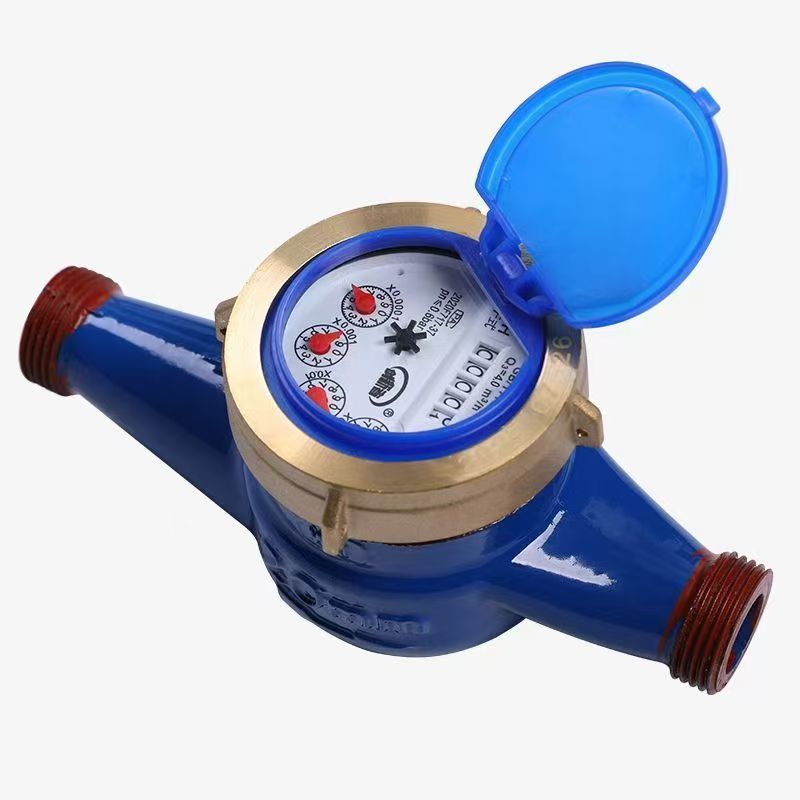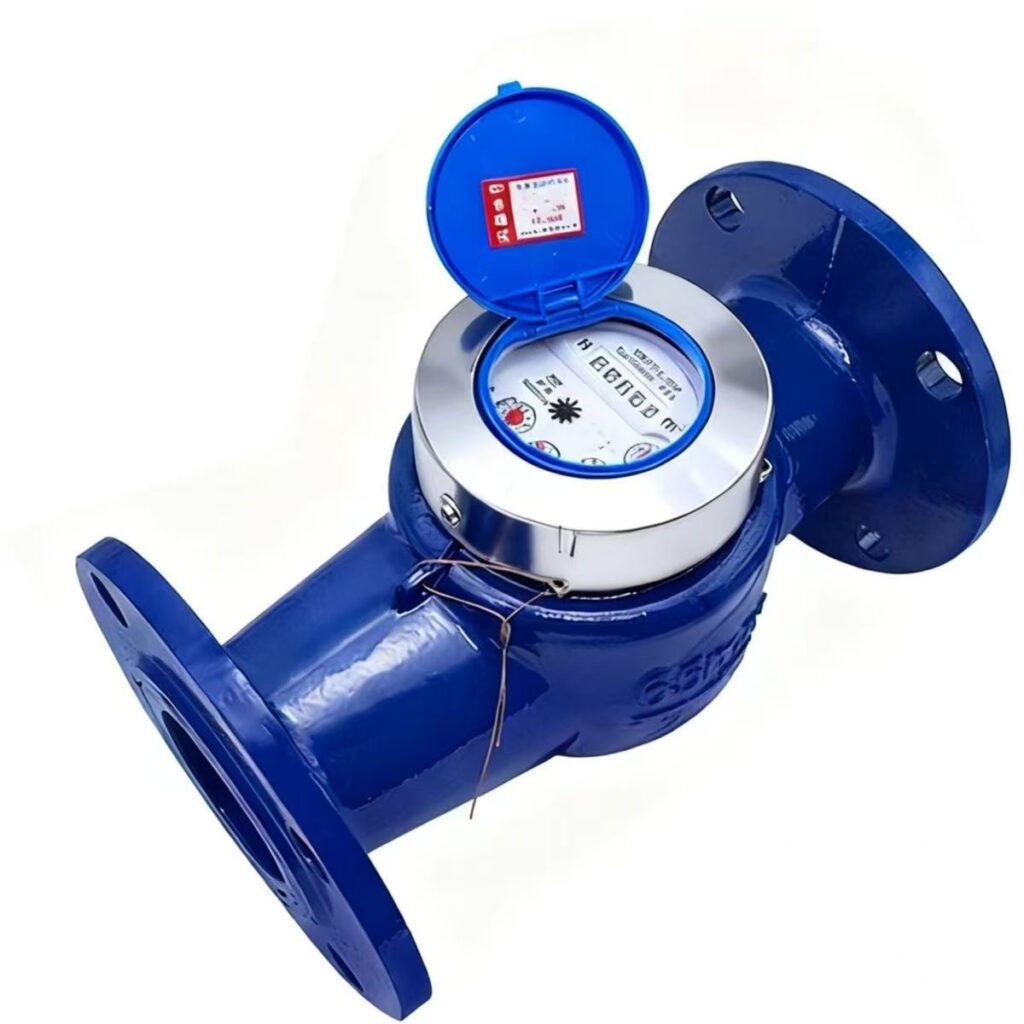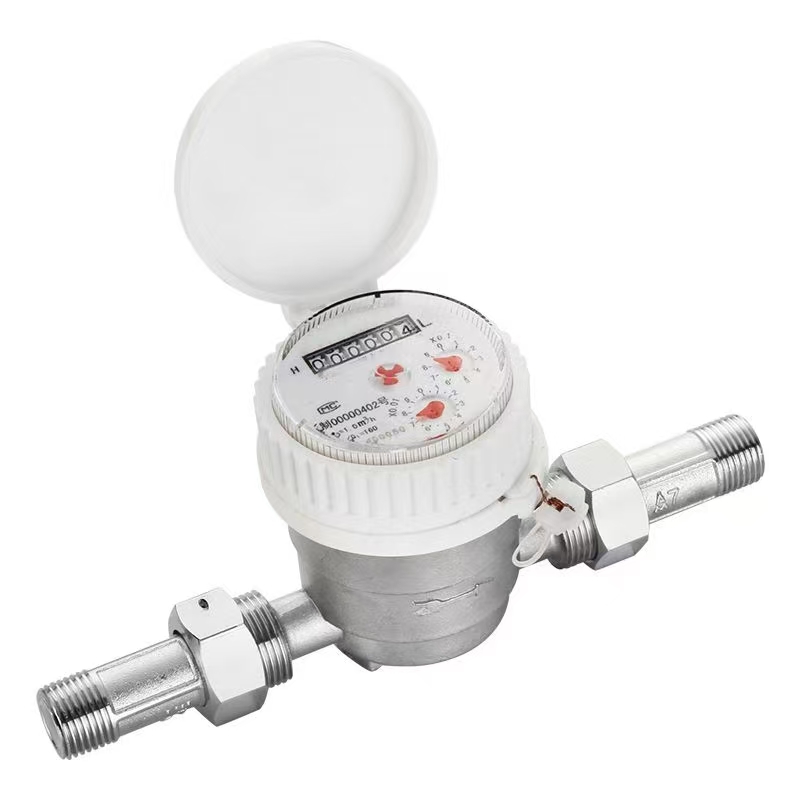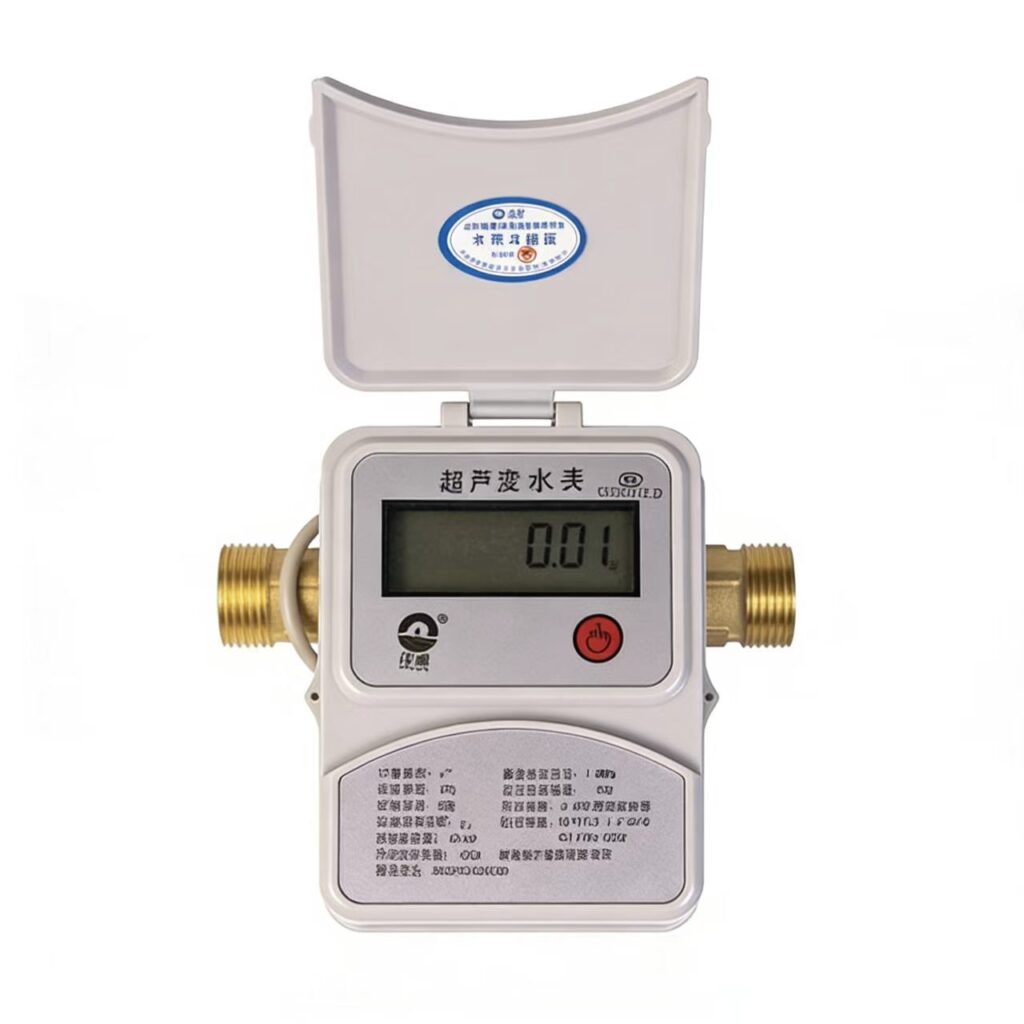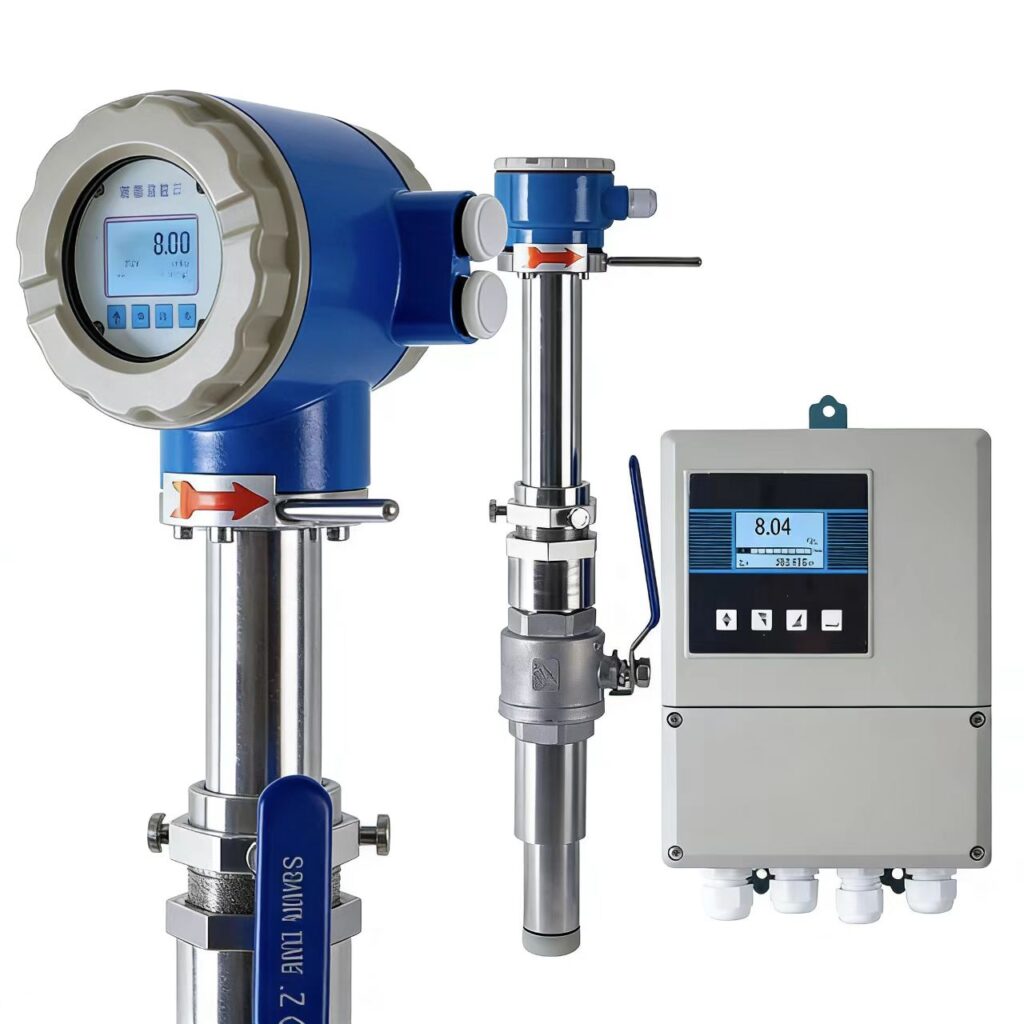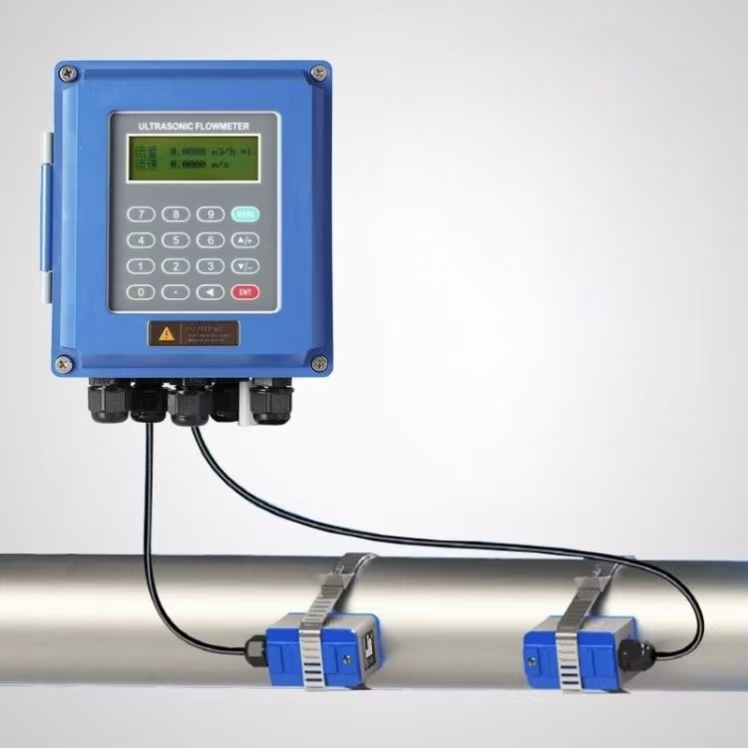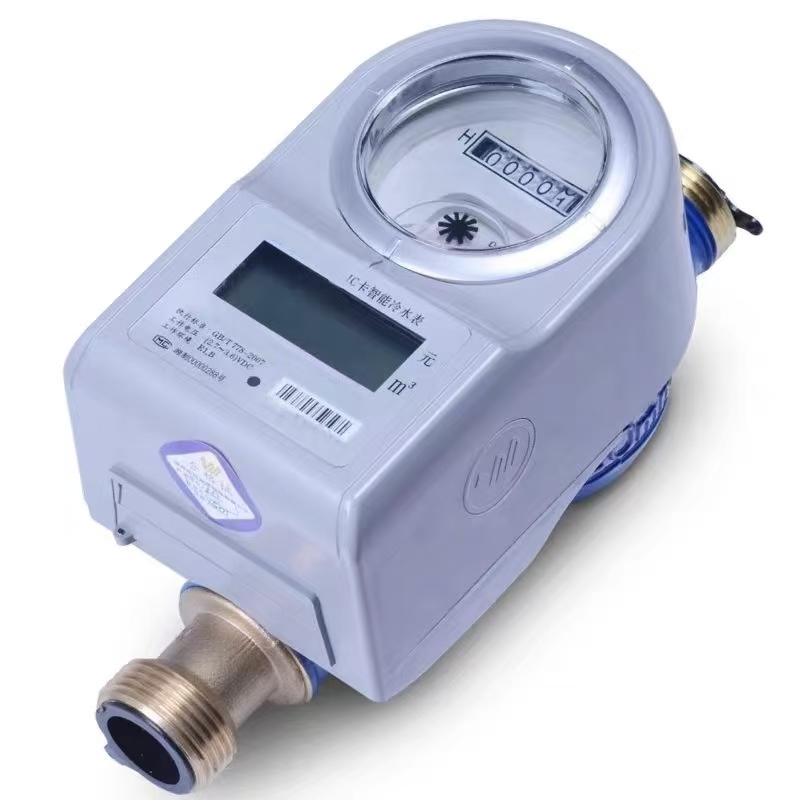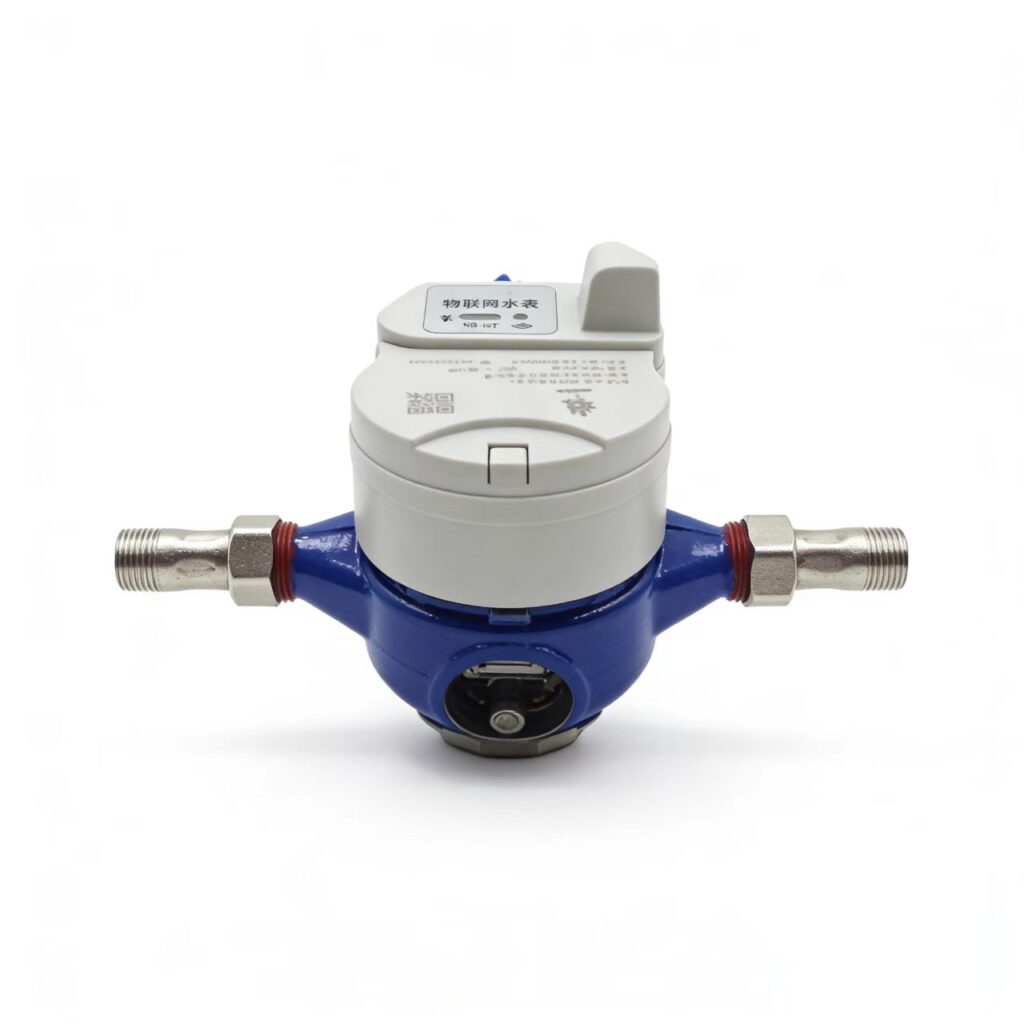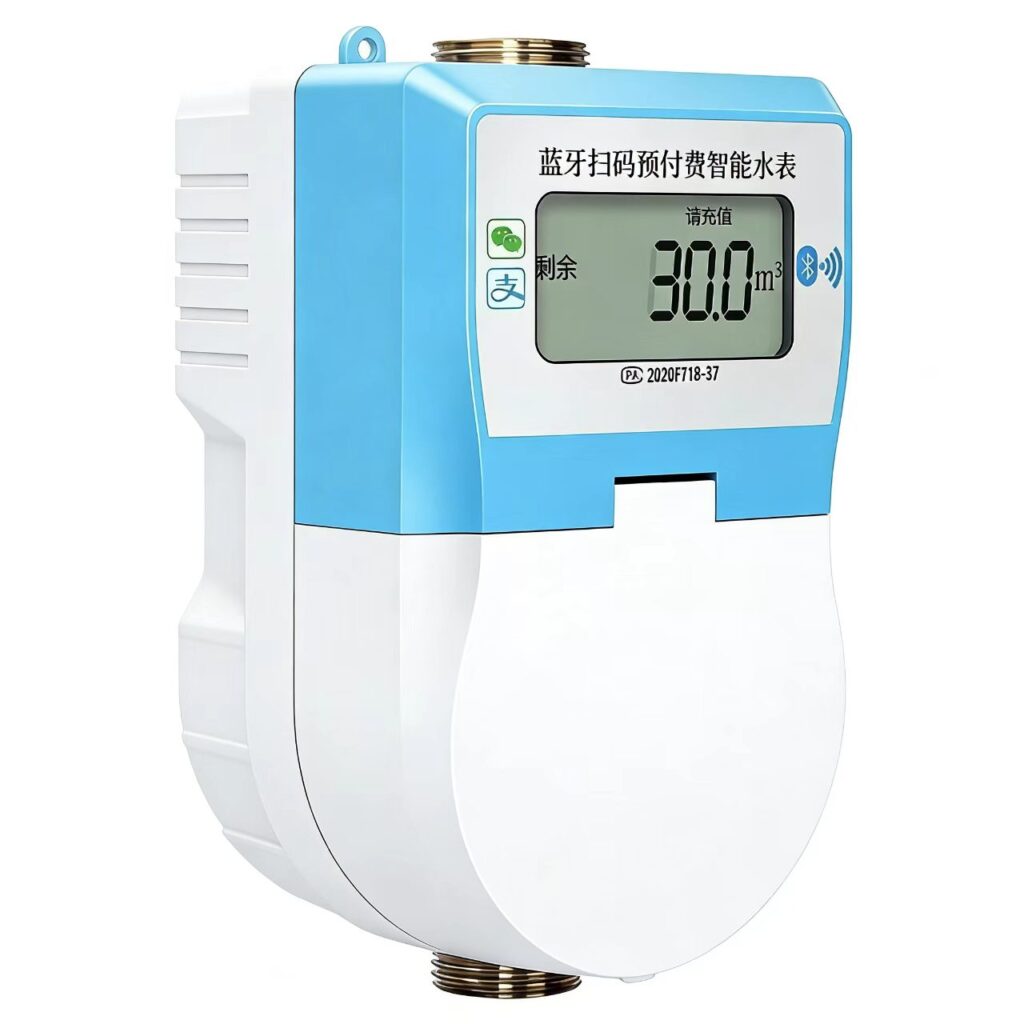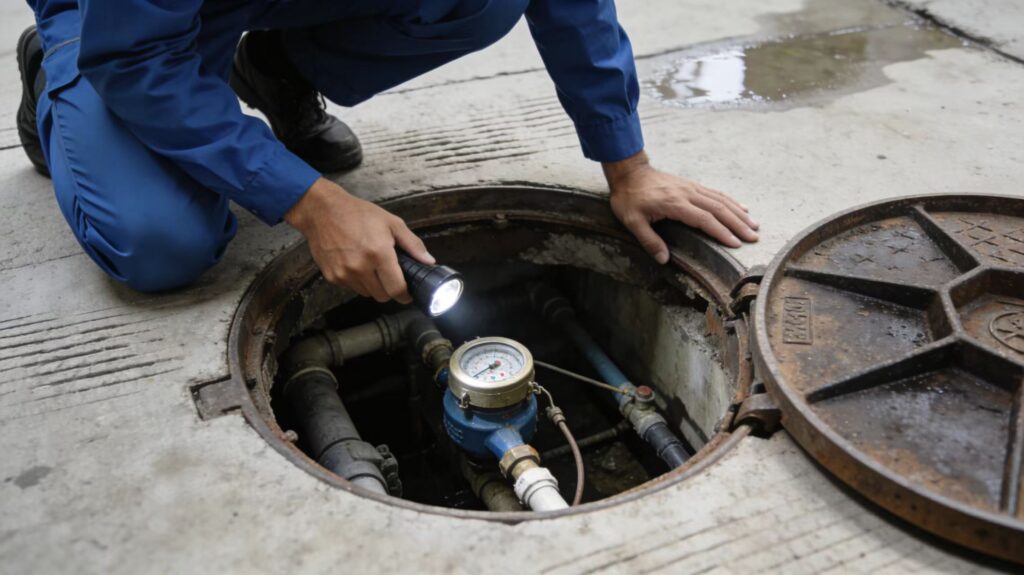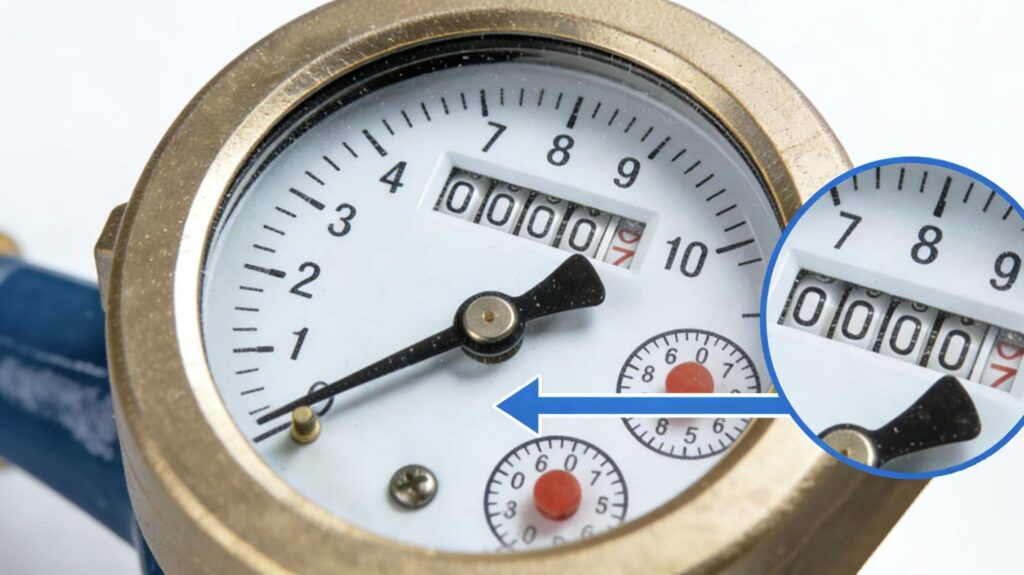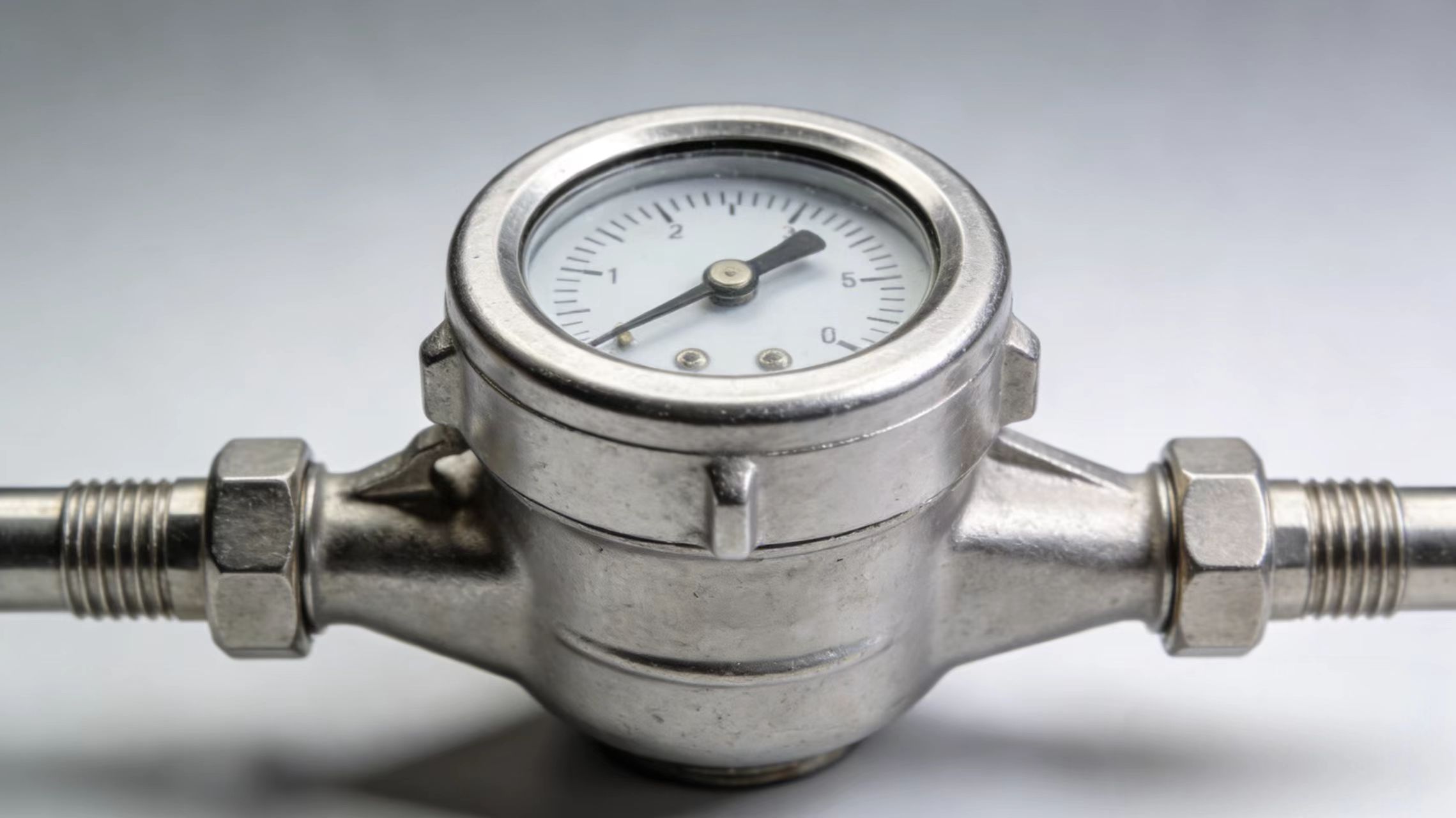
When you notice your home water meter showing abnormal readings, a fogged dial, or it’s simply past its service life, typing “how to replace a water meter” into a search engine means you likely want to resolve the issue quickly while also worrying about potential mistakes.
By analyzing Google’s autocomplete suggestions, related questions, “people also search for” data, and top search results, we find that the core search intent is clear: users are looking for “how-to” information, but this hides a deeper investigative intent. Users don’t just want the steps; they want to confirm, “Can I do this myself?”, “Who should I contact to do it?”, and “What is the process and cost for replacing a meter?”. Simply put, users need an authoritative, safe, and legally sound guide, not just a simple DIY tutorial. This article will combine local water supply regulations and industry standards to provide a detailed breakdown of the correct procedure for replacing a water meter.
Crucial First Step: Do Not Attempt DIY—Confirm “Who” Has the Authority to Replace It
Before thinking about “how” to replace it, the most critical step is to clarify “who” is allowed to do it. According to the Metrology Law of the People’s Republic of China and Urban Water Supply Regulations, water meters used for trade settlement are classified as compulsory verification measuring instruments, and their installation and replacement are subject to strict legal regulations.
When searching, many users may instinctively think they can replace it themselves, like changing a lightbulb. However, a look at numerous legal consultation cases in search results shows that unauthorized replacement carries significant legal risks. In the vast majority of cases, property owners are NOT permitted to replace water meters privately. Although ownership of the meter might differ,moving urban public water supply facilities is illegal . If a water meter malfunctions or expires, the correct procedure is to contact the local water supply company or property management immediately . In particular, the meter head usually has a lead seal to ensure fair metering; once damaged, it must be resealed by a professional .
The Official Replacement Process: Four Steps from Application to Acceptance
Having established who is responsible, let’s outline the standard business procedure. This is typically a collaborative process involving the user, the property management, and the water company, ensuring every step is compliant and legal .
- Application and Verification: When you discover an issue (e.g., the meter isn’t running, spins too fast, the dial is fogged), immediately call the local water company’s hotline or contact your area’s meter reader. Staff will visit to verify the situation. If a replacement is deemed necessary, they will issue a “Meter Replacement Notification” . In some areas, situations like moving back into a vacant house and reapplying for water service also fall under “replacing” or “reinstalling” a meter and require an application .
- Prepare Materials and Settle Bills: The user needs to cooperate by submitting required documents, which typically include: the Meter Replacement Notification, a copy of the property owner’s ID, and proof of property ownership (like the deed). Any outstanding water bills must be settled . If you are a tenant, you must also contact the landlord to handle the process.
- On-site Replacement and Technical Requirements: The water company will dispatch qualified technicians for the replacement. While professionals handle it, knowing the technical requirements helps you oversee the work quality. During installation, it’s crucial to ensure the new meter’s model and specifications meet local standards, the installation direction (inlet vs. outlet) is correct, and connections are properly sealed to prevent future leaks . For smart meters, system data initialization and binding are also required .
- Acceptance and Archiving: After installation, the user should check on-site that the new meter operates normally and there are no leaks. Subsequently, the water company will update the user’s records with the new meter information to facilitate future metering and billing .
Special Cases and Cost Clarification: Avoiding Unnecessary Expenses Due to Information Gaps
When searching “how to replace a water meter,” users are typically concerned about costs. This varies by situation, and understanding the details can help avoid unexpected bills.
Firstly, regarding who bears the cost. If the replacement is due to natural aging (e.g., reaching the end of its typical 6-year service life) or non-human-related malfunctions, many local water companies will provide the new meter and the replacement service free of charge . However, if the damage is caused by user-owned equipment like a booster pump on the property side, or by human factors such as renovation work, the user may be responsible for the cost of the new meter and the repair fees .
Secondly, there are very rare exceptions. For example, in some self-built homes or old neighborhoods where the meter’s ownership clearly belongs to the user, and if local water company policies permit it, the user might be allowed to purchase a compliant, certified meter themselves after obtaining written consent from the water company. However, it is critical to remember that after replacement, the meter must be submitted to the water company for verification and filing within a specified timeframe. Failure to do so could lead to invalid readings or even suspension of water service . For the vast majority of residents in apartment complexes, this path is not applicable and should be avoided.
Conclusion
In summary, the answer to “how to replace a water meter” is not a simple DIY toolkit list but a set of rigorous procedures for applying for a public service. The user’s ultimate goal isn’t just to install a new meter, but to ensure accurate water measurement, clear ownership, and trouble-free future use. Therefore, the most direct and effective path is not to pick up a wrench, but to pick up the phone and contact your water service provider. By following the logic outlined in this article—”Who has the authority—How to apply—What to note on-site—Cost clarification”—you can resolve the issue compliantly and safely, avoid the pitfalls of “illegal operation” caused by information asymmetry, and ultimately save yourself time and trouble.
Authoritative References and Further Reading
【1】Legal Fast Lane. (2025-12-25). Can I Replace a Broken Tap Water Meter Myself?
【2】 People’s Government of Zhalainuo’er District. (2022-10-13). Guide for Users on Replacing Water Meters