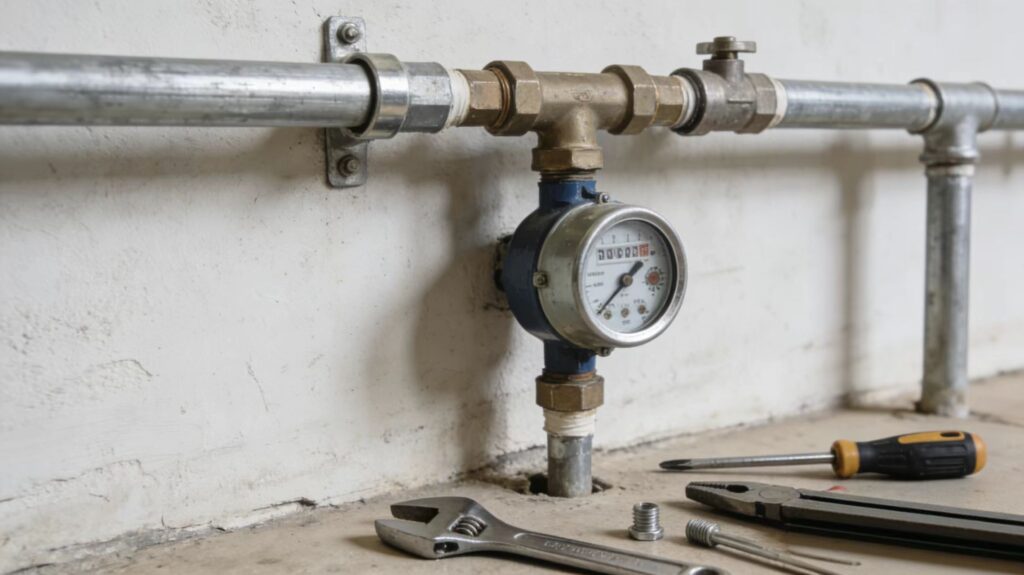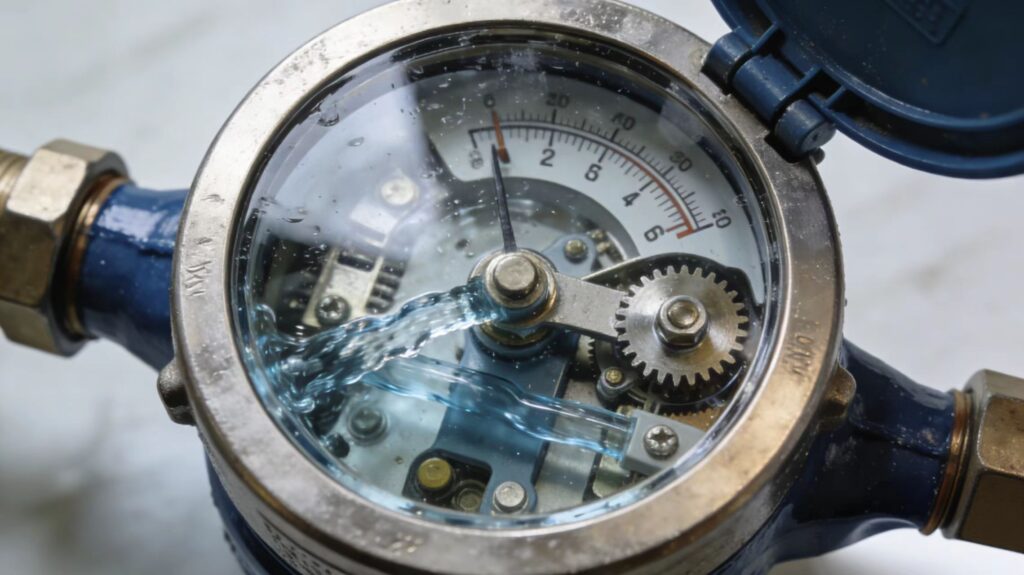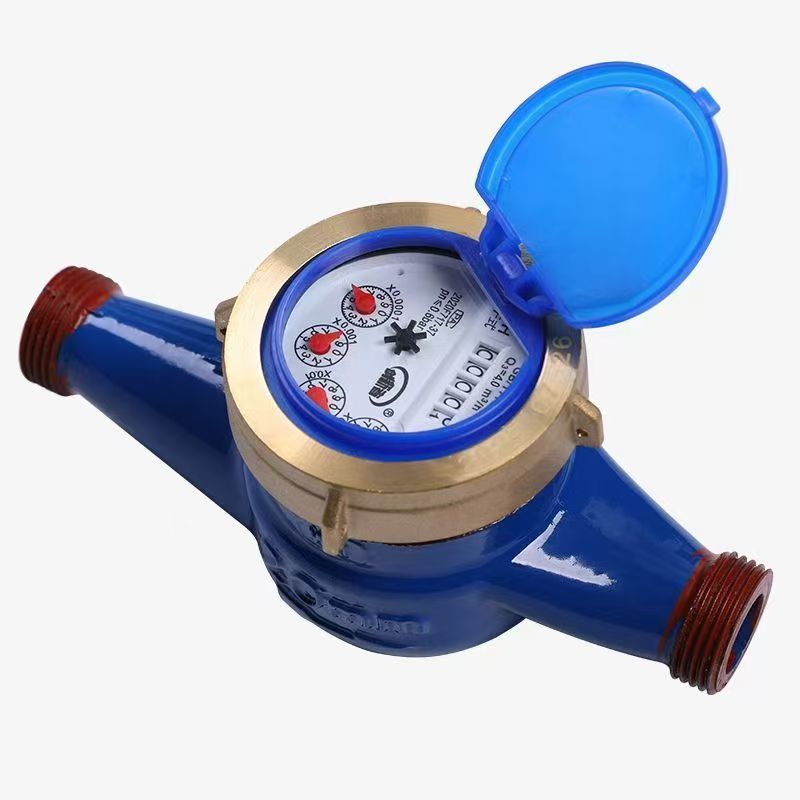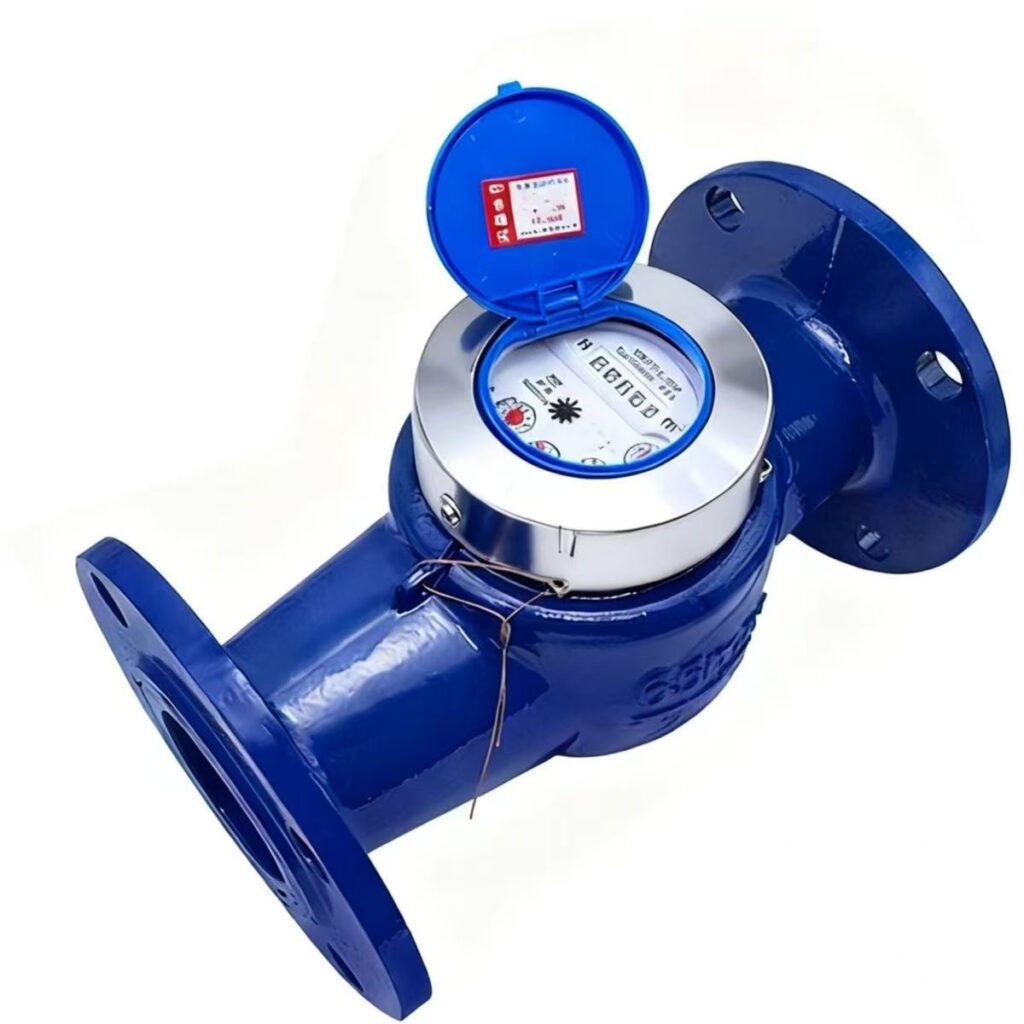
The water meter is a key device for measuring household water usage. Regularly checking your water meter not only helps you understand your consumption and control your water bills but also allows for early detection of issues like leaks. However, many people are unsure how to correctly read or check different types of water meters. This article will provide a detailed explanation of how to check every aspect of your water meter, including reading the display, finding the serial number, online inquiries, checking the balance, verifying accuracy, and detecting leaks, helping you easily resolve any water meter-related questions.
How to Check Your Water Meter Reading Online
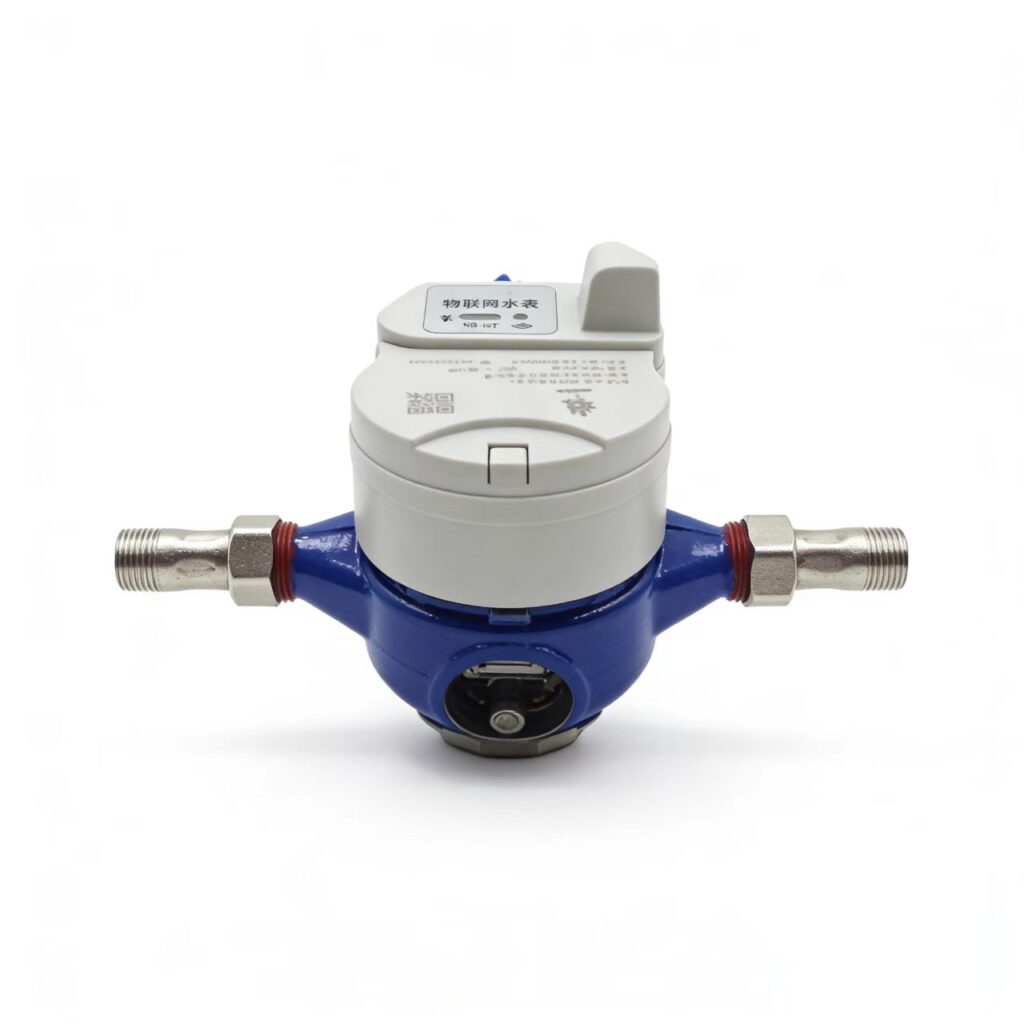
With the development of smart water management, many areas now support online inquiries, making it very convenient to monitor your usage.
- Utility Company Website / WeChat Official Account: Log in to your personal account and link it using your account number to view real-time or recent usage data. Some utilities also provide usage trend charts to help you analyze peak consumption and anomalies.
- Mobile Apps: Apps like Alipay or WeChat (via their “Utilities” payment function) allow you to view historical water usage after linking your account. However, these platforms usually only show billed consumption, not real-time readings.
- QR Code Scanning: Some smart meters have a QR code. Scanning it with your phone might take you to a query page where you can enter your account or meter number for real-time data.
- SMS Alerts: Some utilities offer an SMS service that sends your current meter reading to your phone on a fixed date each month.
Note: Online readings are often the data collected remotely by the utility and might not be real-time (e.g., updated once daily). For the exact current reading, you may still need to look at the meter physically. Also, older meters without remote transmission modules cannot be queried online.
How to Check Your Water Meter Balance
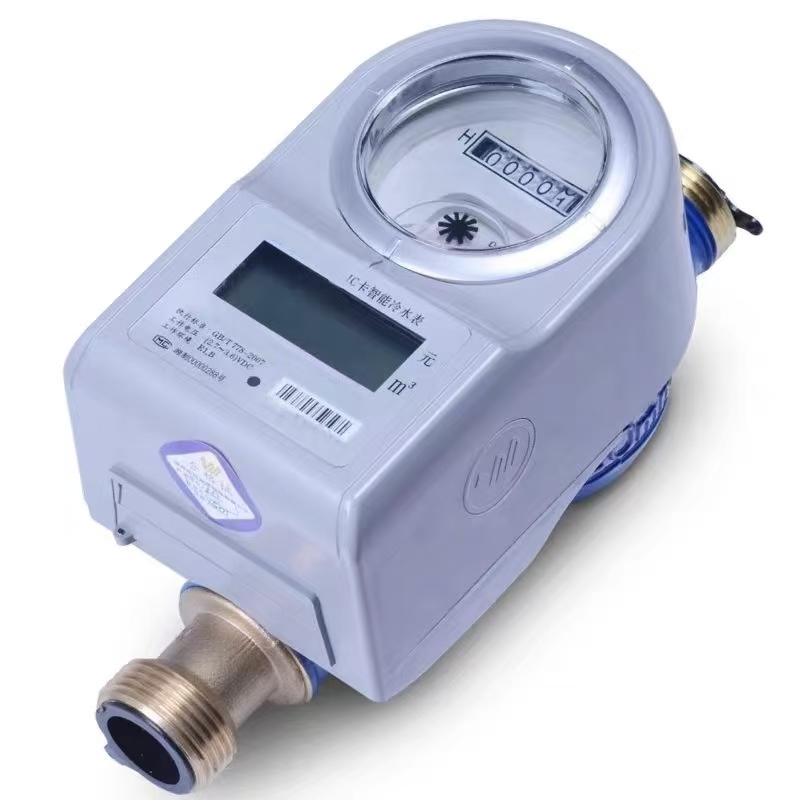
If you have a prepaid water meter (IC card meter or smart prepaid meter), the balance is displayed as follows:
- IC Card Meter: Insert your IC card into the meter slot. The LCD screen will light up and show the remaining amount (in money or cubic meters). Some meters require pressing a button to wake the screen. If the screen shows “Valve Closed” or “0,” the balance is depleted, and you need to top up. After recharging the card at a utility outlet or online, hold the card near the (sensor area) or re-insert it; the screen will update with the new balance.
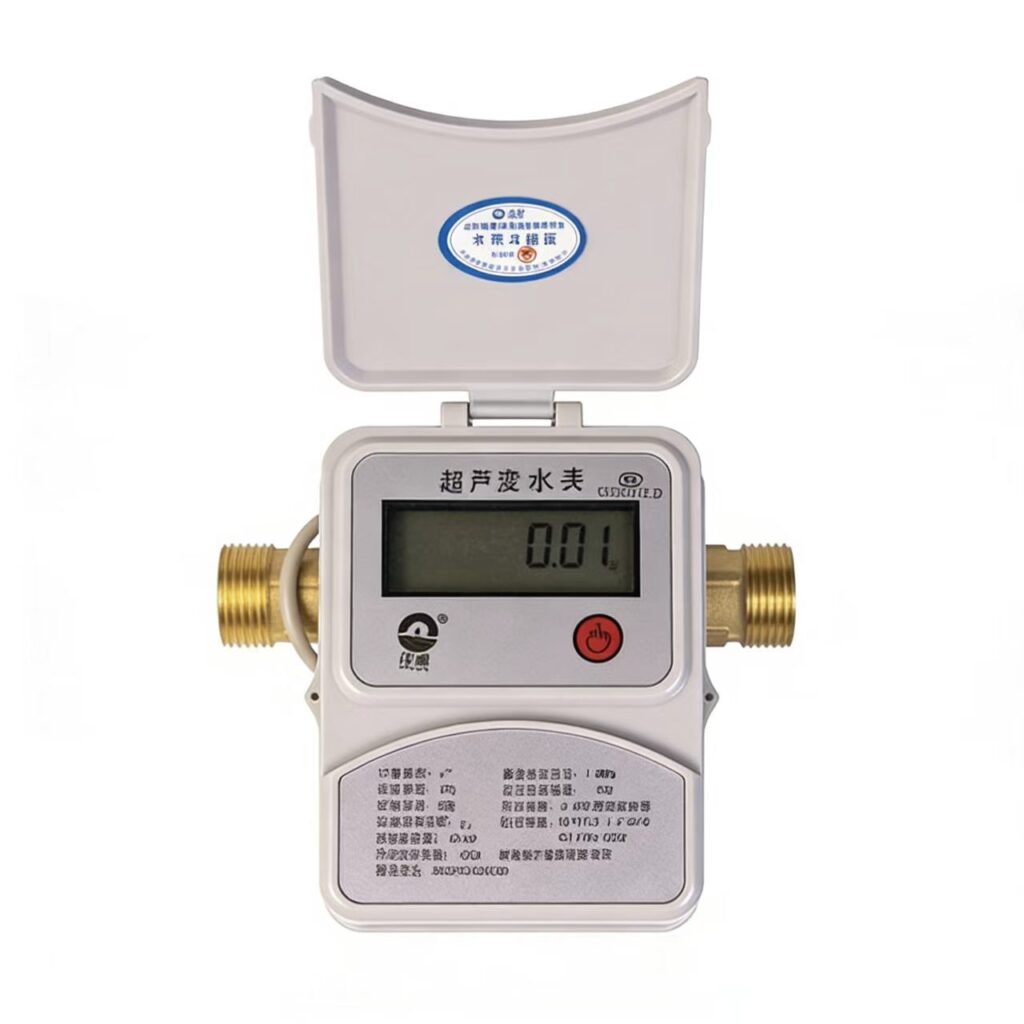
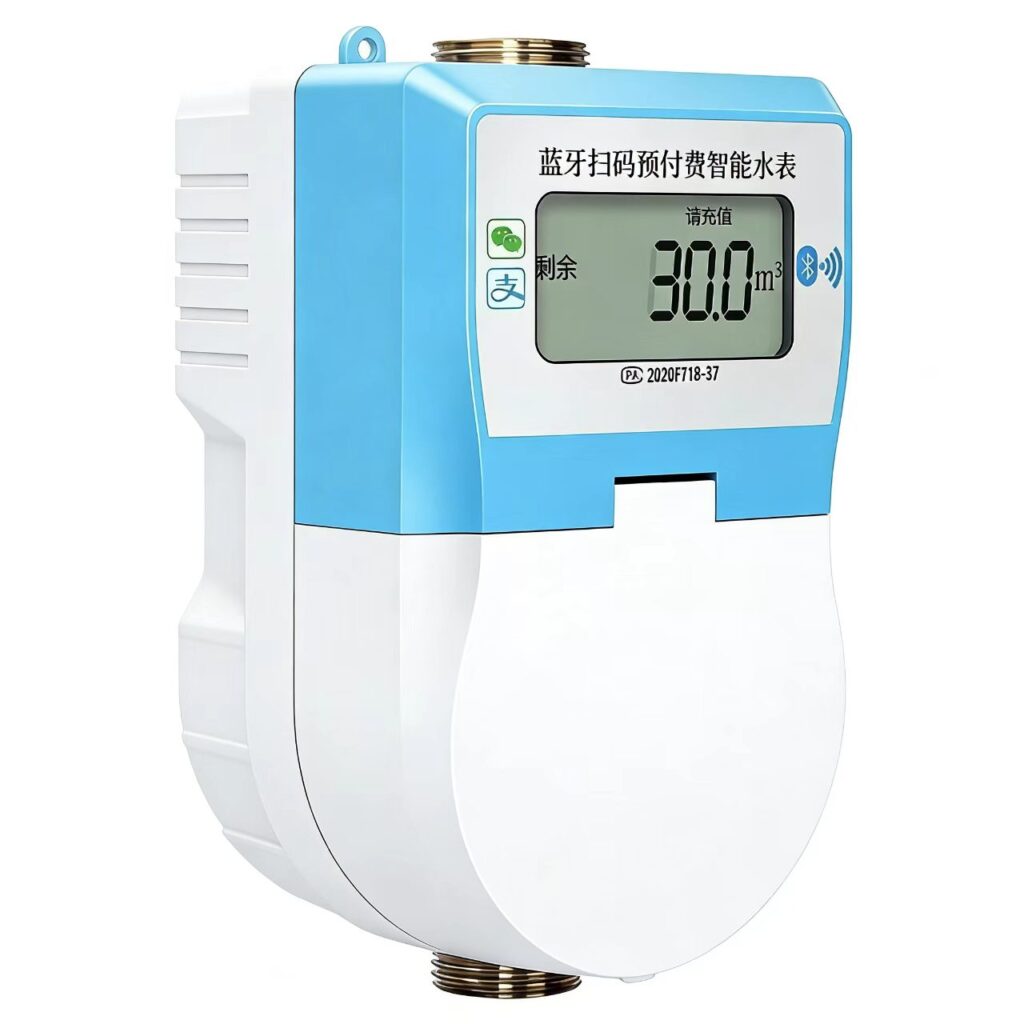
- Smart Prepaid Meter: Press the button on the meter. The screen will cycle through information like total usage, remaining balance, and current water price. Many smart prepaid meters are connected online; they can automatically send low-balance alerts via SMS or app notification, and you can often top up directly through the app.
- Remote Prepaid System: Check your balance via the utility’s app or official website. You can receive low-balance reminders and often recharge online. The newly purchased credit is usually sent to the meter automatically.
Note: Prepaid meters will automatically shut off the valve when the balance runs out. You need to top up to restore water service. If the valve remains closed after recharging, the transaction may not have been successful, or there might be a meter malfunction – contact the utility company.
How to Check the Accuracy of Your Water Meter
1.Turn off all faucets and water-using appliances
ensuring toilets, washing machines, water purifiers, etc., are not running. Pay special attention to toilet tanks for silent leaks (you can test this with food coloring later).
2.Record the current meter reading
including the decimals/small red dial.
3. Wait for 2-3 hours
without using any water, then check the reading again. If the reading has changed, you either have a leak or the meter is spinning due to other issues.
4. Rule out “meter creep” or “spinning”
If you have no leaks but the meter still turns slowly, it could be due to air trapped in the pipes causing pressure fluctuations (water hammer). Try opening a faucet briefly to release trapped air. You might also need a plumber to install a check valve (non-return valve) to prevent backflow from causing the meter to spin.
5. More precise test
Use a large, calibrated bucket (e.g., a 10-liter or 20-liter bucket). Ensure all other water use is off. Fill the bucket from one faucet. Compare the amount of water you collected (e.g., 10 liters) with the increase shown on the meter. If the error is more than 2% (e.g., you put in 10 liters, but the meter shows an increase of 10.3 liters), the meter might be running fast. If it shows less than 9.8 liters, it might be running slow.
If you find a significant error, you should contact your water utility to request an official accuracy test. Do not attempt to open or tamper with the meter yourself. If you request a test, the utility will remove the meter and send it to a certified laboratory. If the meter is found to be faulty (outside the legal tolerance, usually ±2%), the utility typically covers the test cost and replaces the meter for free. If the meter tests accurate, you will likely have to pay the testing fee.
How to Check for Leaks Using Your Water Meter
The water meter is your best tool for detecting leaks, especially hidden ones like those in underground pipes or within walls. Here’s how to use it:
- Turn off all water-using devices, ensuring every faucet, toilet, washing machine, dishwasher, ice maker, and water purifier is off. For a more definitive test, you can also shut off the main shut-off valve inside your house. This isolates the indoor plumbing.
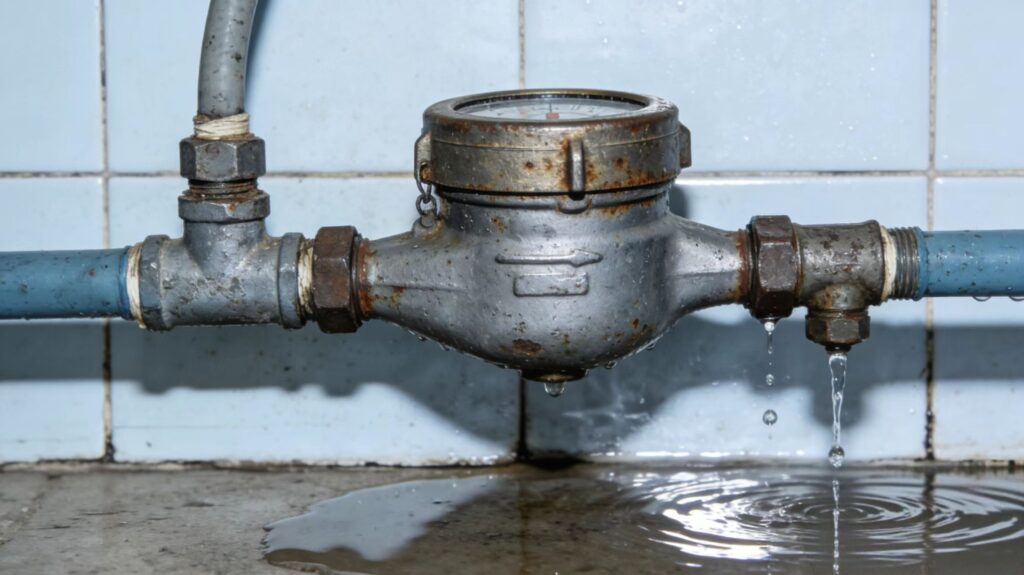
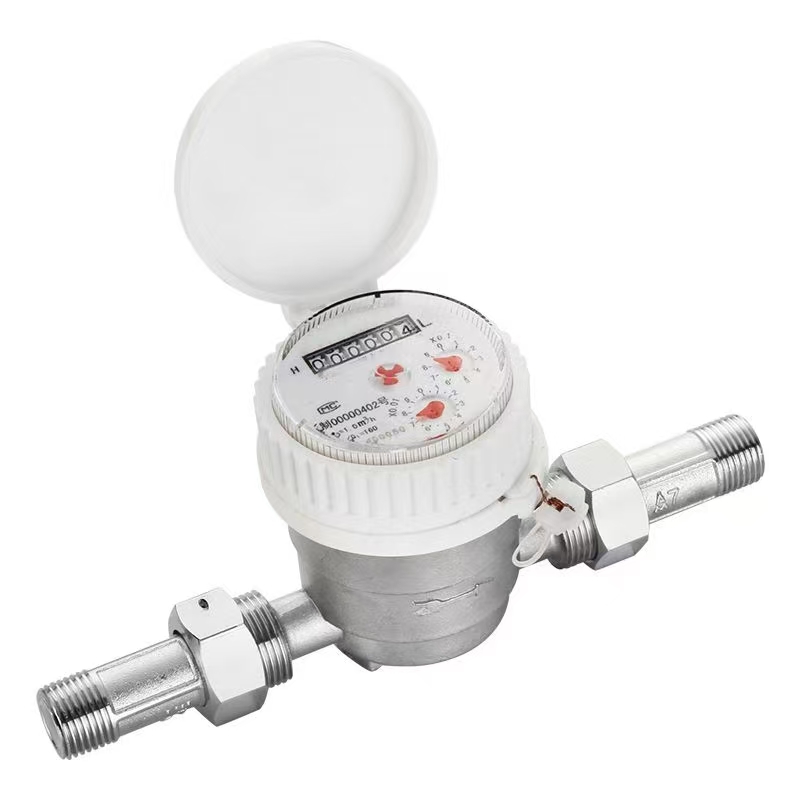
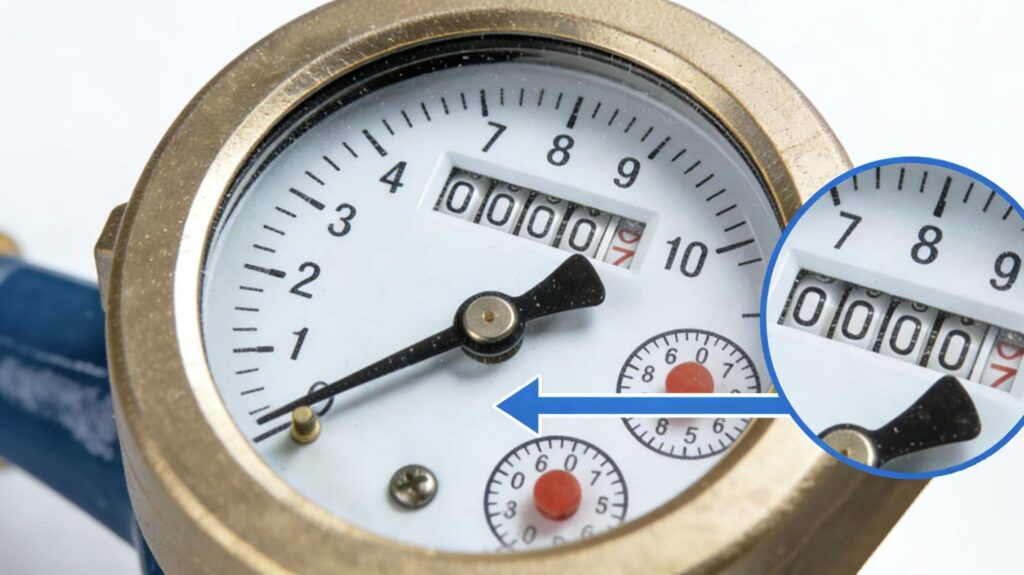
- Observe the water meter. Look at the leak indicator (often a small triangle or star on analog meters) or the smallest dial (like the 0.1-liter pointer). If it’s moving, you have a leak. On digital meters, watch the last digits for any increase.
- Pinpoint the leak location:
- If you turned off the indoor main valve and the meter stopped moving, the leak is inside your house.
- If the meter keeps moving even with the indoor valve off, the leak is likely outside (between the meter and the house) or the meter itself is faulty.
- Common indoor leak points: Toilet flappers (test by adding food coloring to the tank; if color appears in the bowl without flushing, the flapper is leaking), dripping faucets, water heater pressure relief valves, and hidden pipe leaks. Hidden leaks can sometimes be located by listening – using a stethoscope or a metal rod against walls or floors, a leak often creates a distinct hissing or rushing sound.
- Overnight test: This is a classic method. Record the meter reading right before bed, ensure no water is used overnight (automatic ice makers or softener regenerations can interfere), and check again first thing in the morning. Any increase indicates a leak.
If you find a leak, repair it promptly or call a professional plumber. Toilet leaks are often fixed easily by replacing the flapper. Hidden leaks may require a specialized leak detection service.
Important Considerations for Checking Outdoor Meters
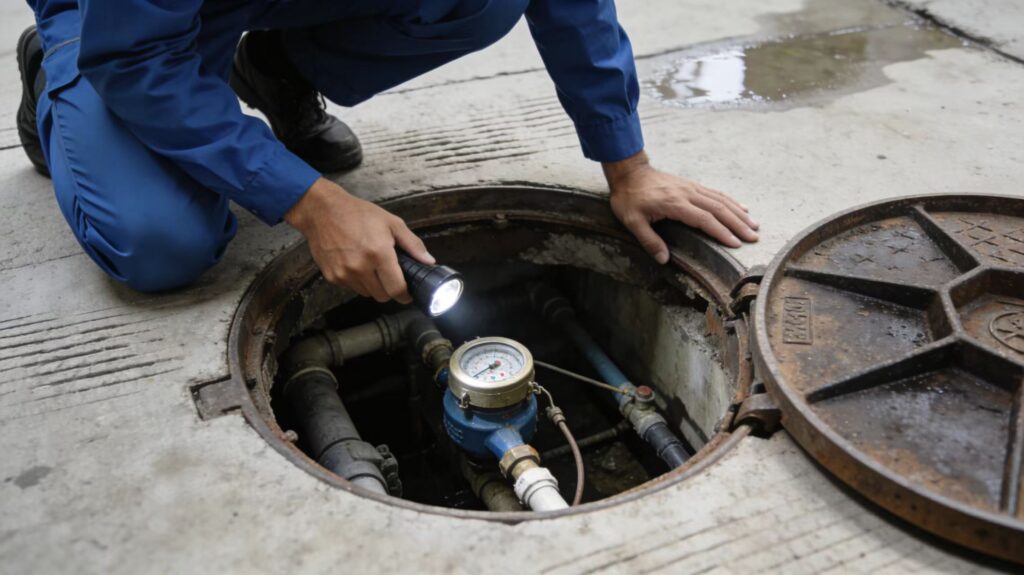
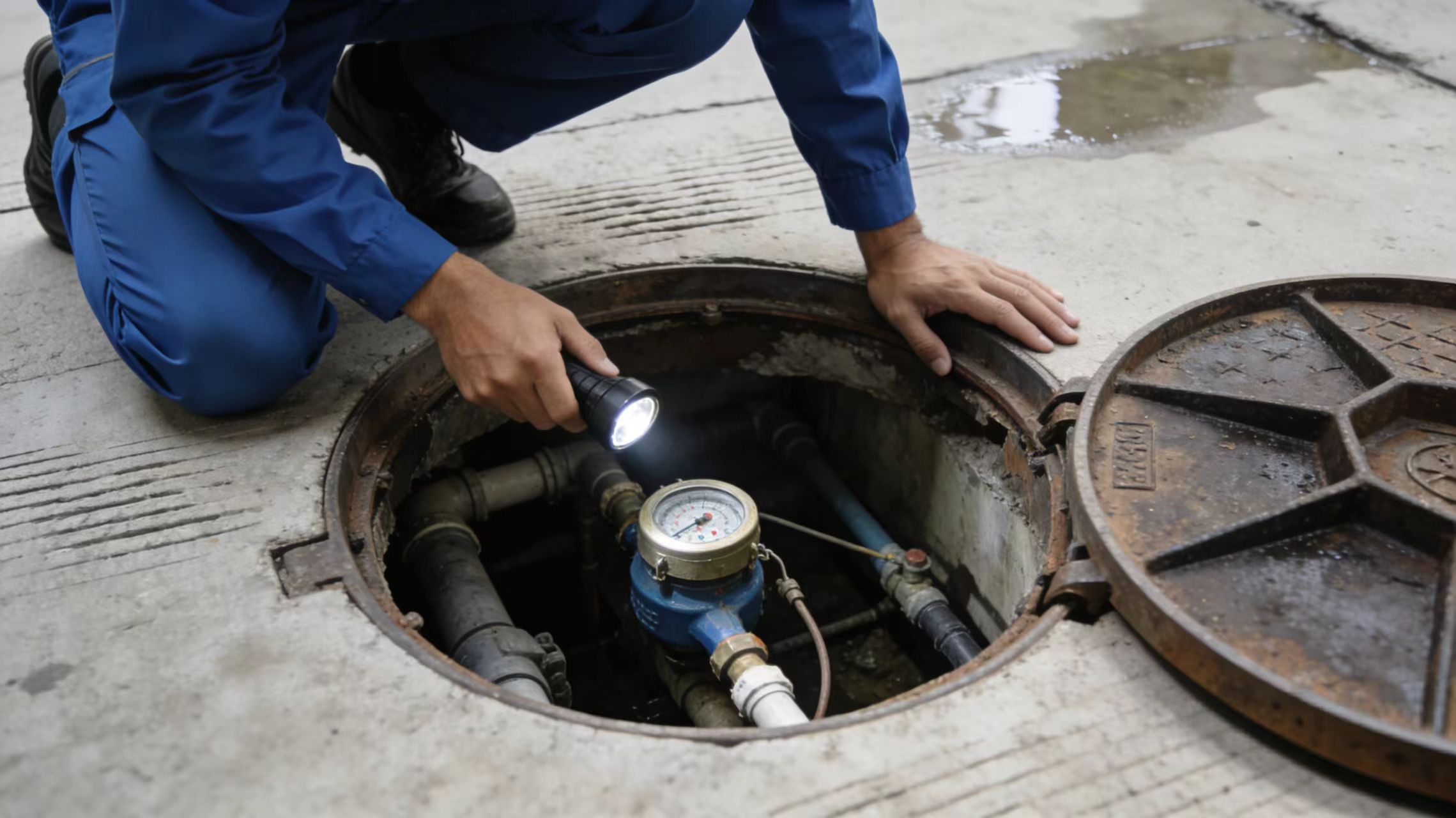
Outdoor meters are often in pits or boxes. Safety and proper procedure are important:
- Safety First: Before lifting a manhole cover or pit lid, ensure the area is clear of traffic. Be aware of potential hazardous gases (like methane) in enclosed spaces – it’s best to have someone with you. Use a tool (like a hook) to carefully pry the lid open, avoiding direct contact with your hands. After opening, let the pit ventilate for a few minutes before leaning in.
- Clear Debris: Use a tool (like a long-handled scoop) to remove any standing water, mud, or insects from the pit so you can see the meter face. If the pit is deeply flooded, you might need a small pump.
- Freeze Protection: After checking in cold weather, make sure the lid is securely closed. Consider insulating the meter and pipes inside the pit with foam insulation, old blankets, or specially designed meter covers to prevent freezing. If the property will be vacant for a long time in winter, consider having the system winterized (drained).
- Moisture and Pests: Outdoor pits can be damp and attract insects or rodents. Wear long sleeves and pants when checking, and bring a flashlight.
Common questions and answers when checking water meters
Q1: How do I read my water meter?
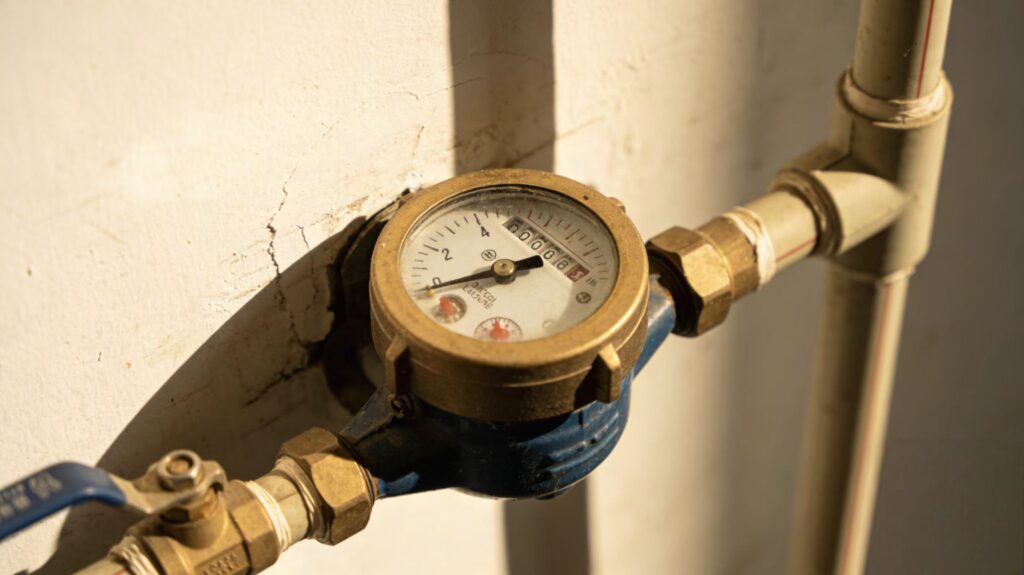
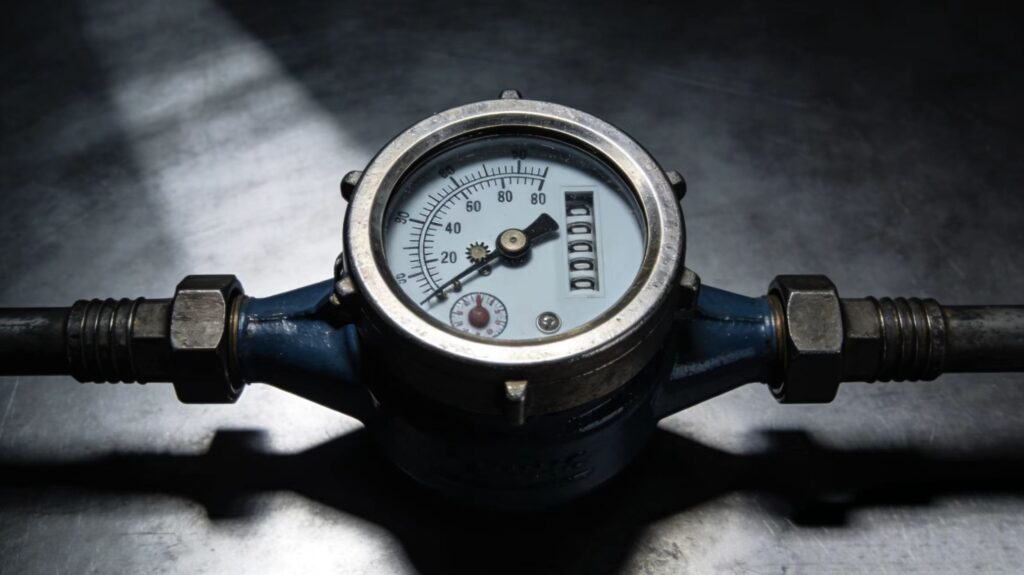
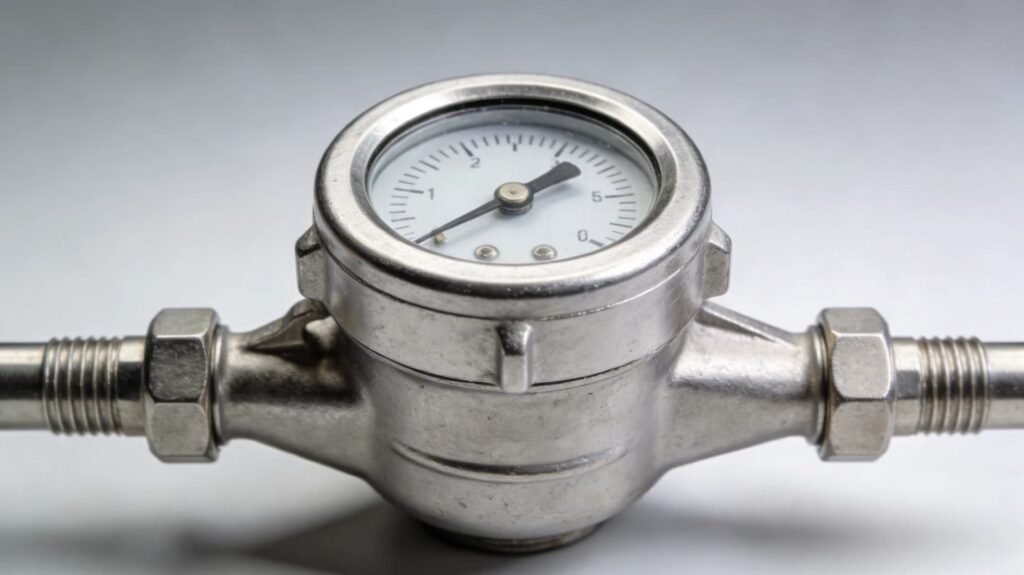
A: For pointer meters, read the black pointers from largest to smallest multiplier. For digital meters, just read the numbers shown. For smart meters, look at the LCD screen. Decimals (usually red) are typically ignored for billing.
Q2: What is the water meter serial number used for?
A: It’s the unique ID for the physical meter, used for repairs and identification. However, for paying bills and online account linking, you usually need your account number, which is on your water bill.
Q3: Why does my water meter spin when no water is being used?
A: This is usually caused by trapped air in the pipes (water hammer causing pressure changes), a small leak, or a faulty meter. First, check for leaks (toilets are common culprits). If no leaks are found, the spinning might be due to pressure issues, which could require a check valve installation.
Q4: How do I request an official meter accuracy test?
A: Contact your local water utility. They will guide you through the process, which usually involves a fee paid upfront. If the meter is found to be inaccurate (faulty), the fee is refunded and the meter is replaced for free. If it’s accurate, you pay the fee.
Q5: What if my smart meter battery dies?
A: Smart meter batteries are designed to last many years (6-10). The meter will show a low battery warning. Contact the utility company to replace the battery or the entire meter. Do not attempt to replace it yourself.
Q6: What’s the difference between the red and black pointers?
A: Black pointers usually indicate the whole number units (cubic meters/gallons) used. Red pointers indicate decimal fractions (tenths/hundredths) and are mainly used for leak detection, not billing.
Q7: My water meter is flooded. Can I still read it?
A: If the meter is submerged, you likely won’t be able to read it clearly. Try to bail out the water if it’s in a pit. If the meter is damaged by water, contact the utility for a replacement.
Q8: Do I need to do anything with the meter reading when I move?
A: Yes. When moving in or out, you should take a photo of the current meter reading. This serves as proof for the final bill settlement between you, the previous/next occupant, and the utility company.
Conclusion
Checking your water meter isn’t complicated. Once you master the correct methods, you can easily monitor your water usage, check your balance, and detect potential leaks early. It’s a good habit to check your meter reading at least once a month and compare it with your bill to ensure everything is normal. If you encounter any problems you can’t solve, don’t hesitate to contact your water utility company’s (professional staff). Regularly paying attention to your water meter helps save water, reduce bills, and prevent property damage from undetected leaks. Good water habits start with understanding your meter.
Authoritative References and Further Reading
【1】 Beijing Waterworks Group Official Website
- “How to Correctly Read a Water Meter” https://www.bjwatergroup.com.cn/ (Chinese)
【2】 Shanghai Water Authority
- “Resident Water Guide: Water Meter Use and Leak Self-Check” https://swj.sh.gov.cn/ (Chinese)
【3】 China Urban Water Supply and Drainage Association
- “Urban Water Supply Service Standard” CJ/T 316-2009 (Chinese Standard)
【4】 Ministry of Water Resources (China)
- “Water Conservation Knowledge: How to Detect Leaks via Water Meter” http://www.mwr.gov.cn/ (Chinese)