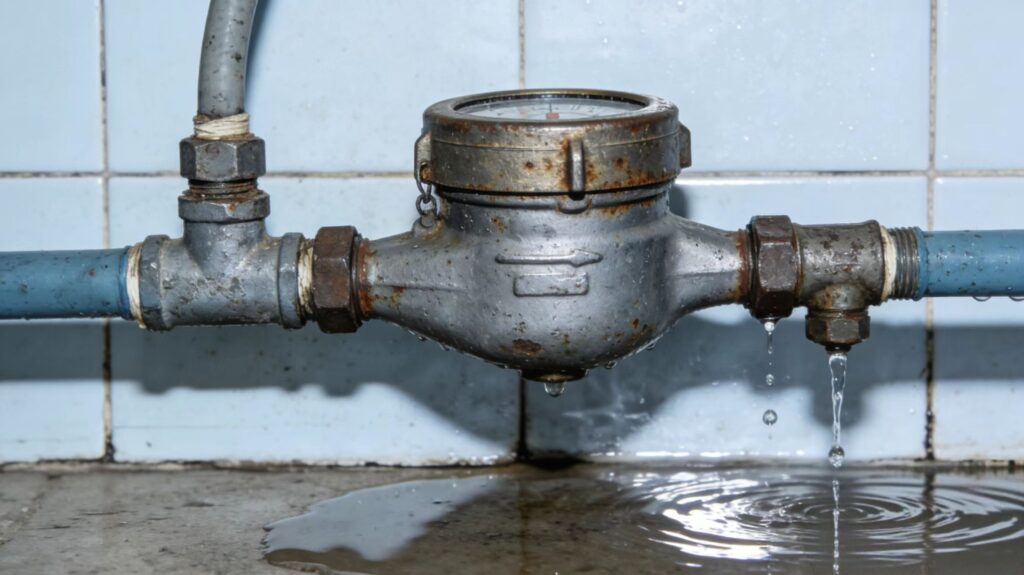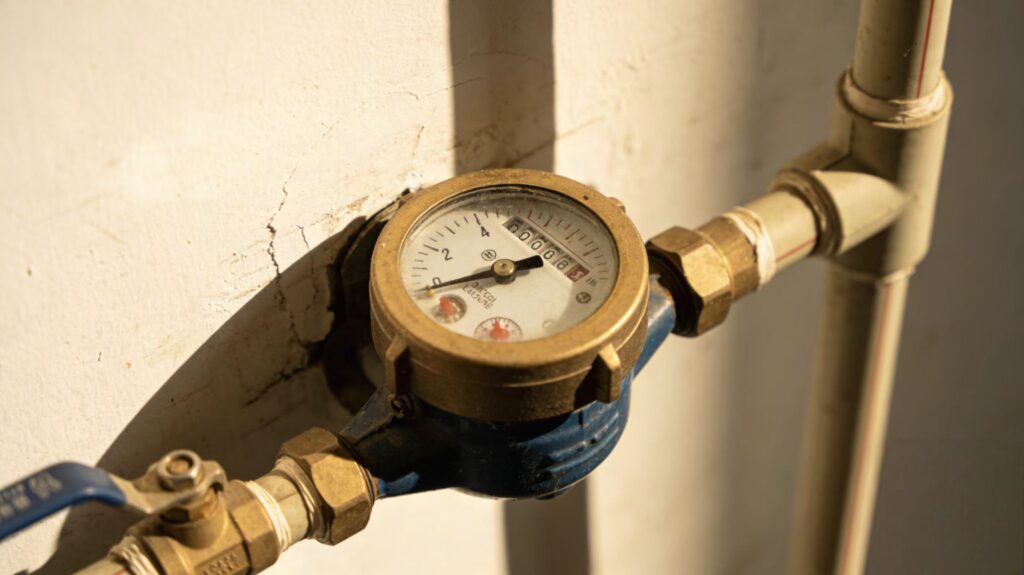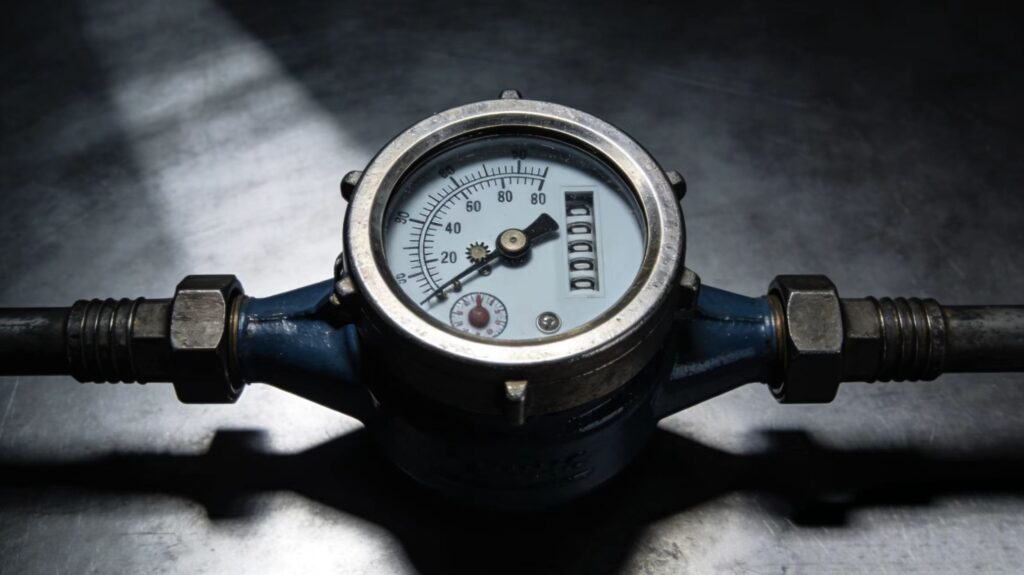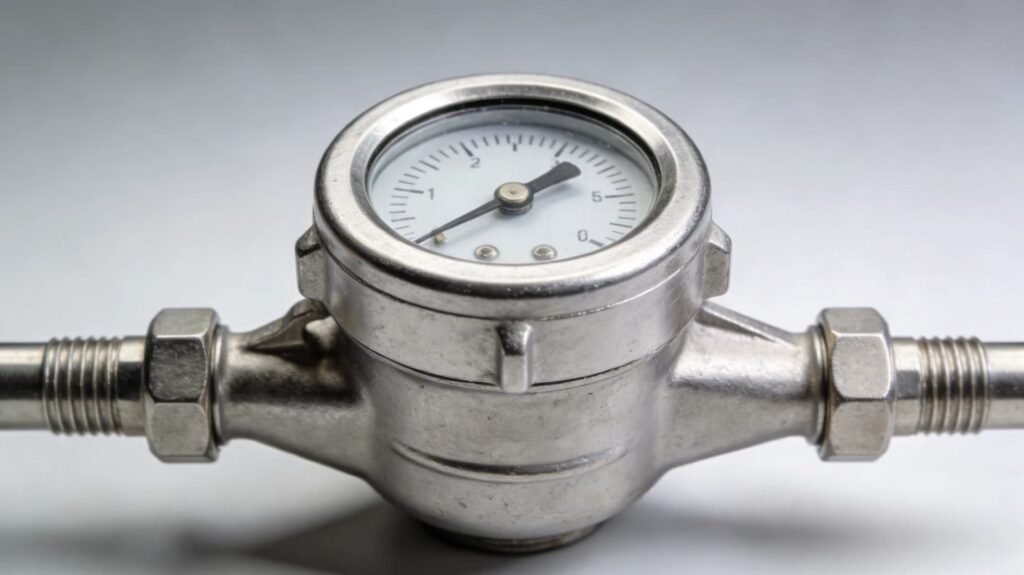
A water meter is an essential device in every household, recording our water usage and directly impacting our water bills. But have you ever wondered how this small device accurately measures every single drop of water? This article will explain the working principles of water meters, common types, installation, and answer various questions you might have in a simple and understandable way.
Basic Working Principles of Water Meters
The core function of a water meter is to convert water flow into measurable mechanical motion or electronic signals. Based on their operating principle, they are mainly divided into two categories: mechanical water meters and electronic water meters.
1. Mechanical Water Meters
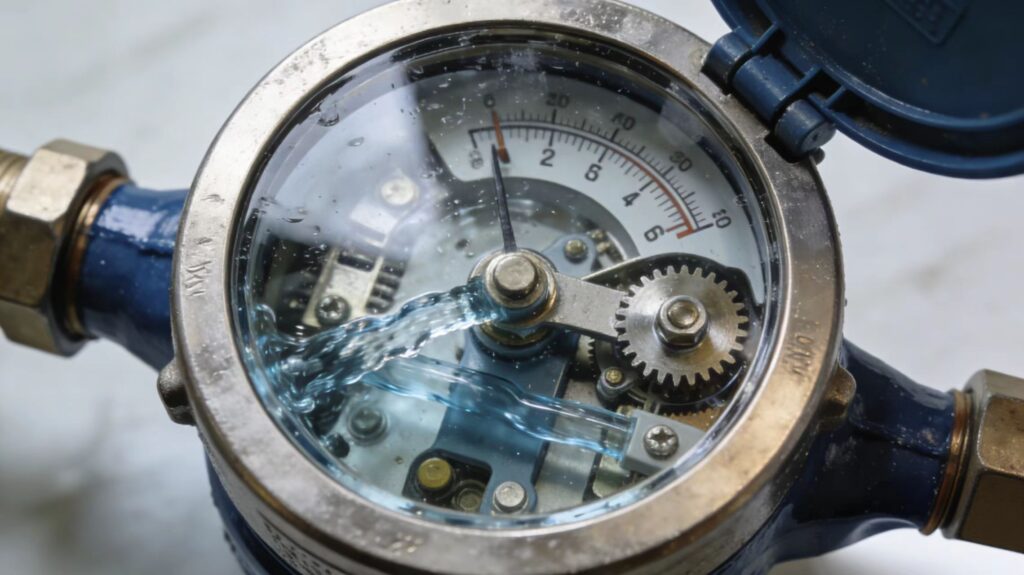
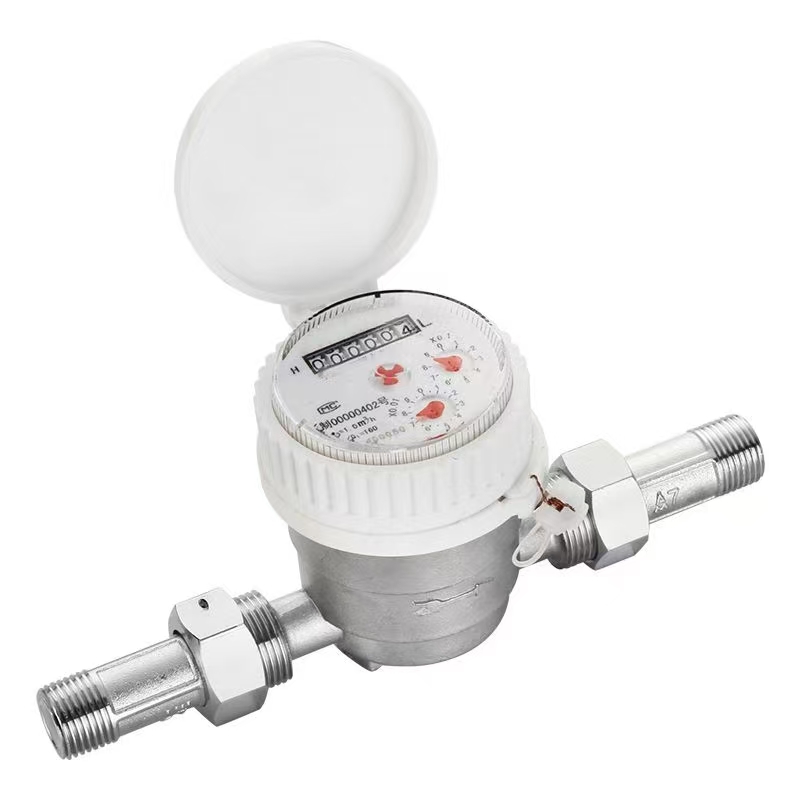
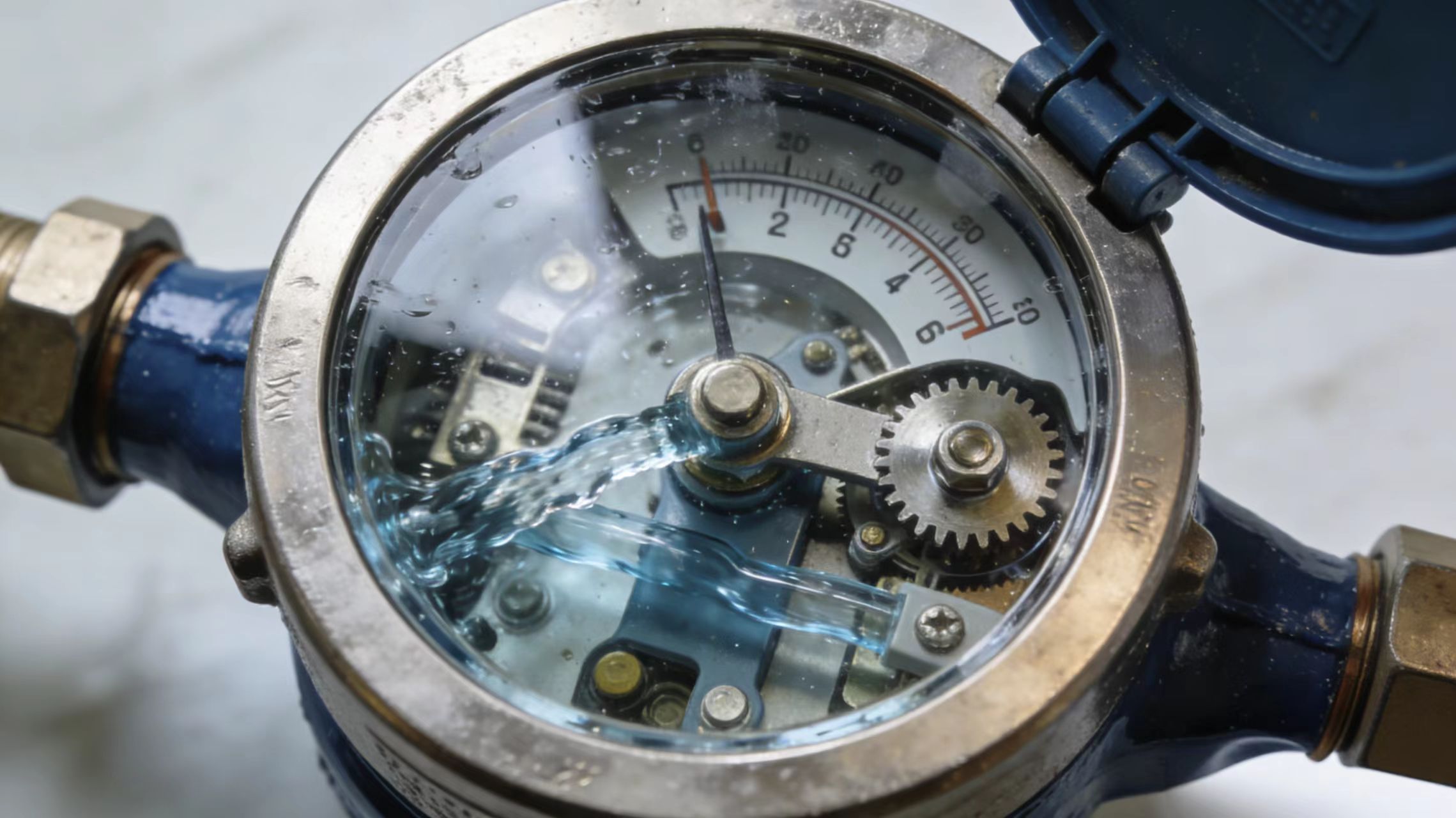
Mechanical water meters rely on water flow to impact an impeller or piston, which rotates, and the rotation is then converted into a reading through a gear mechanism. Common types include:
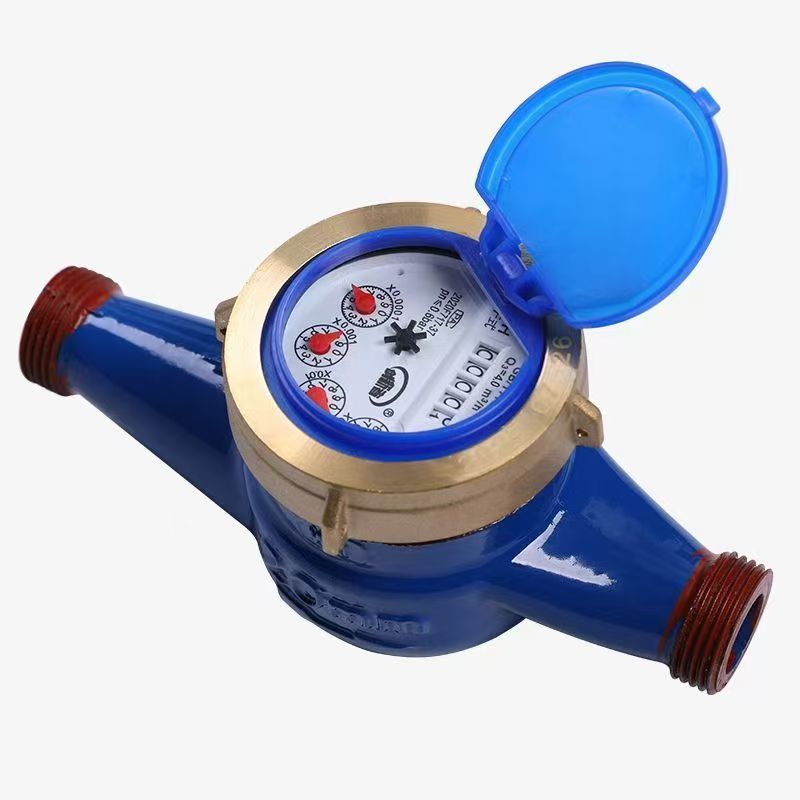
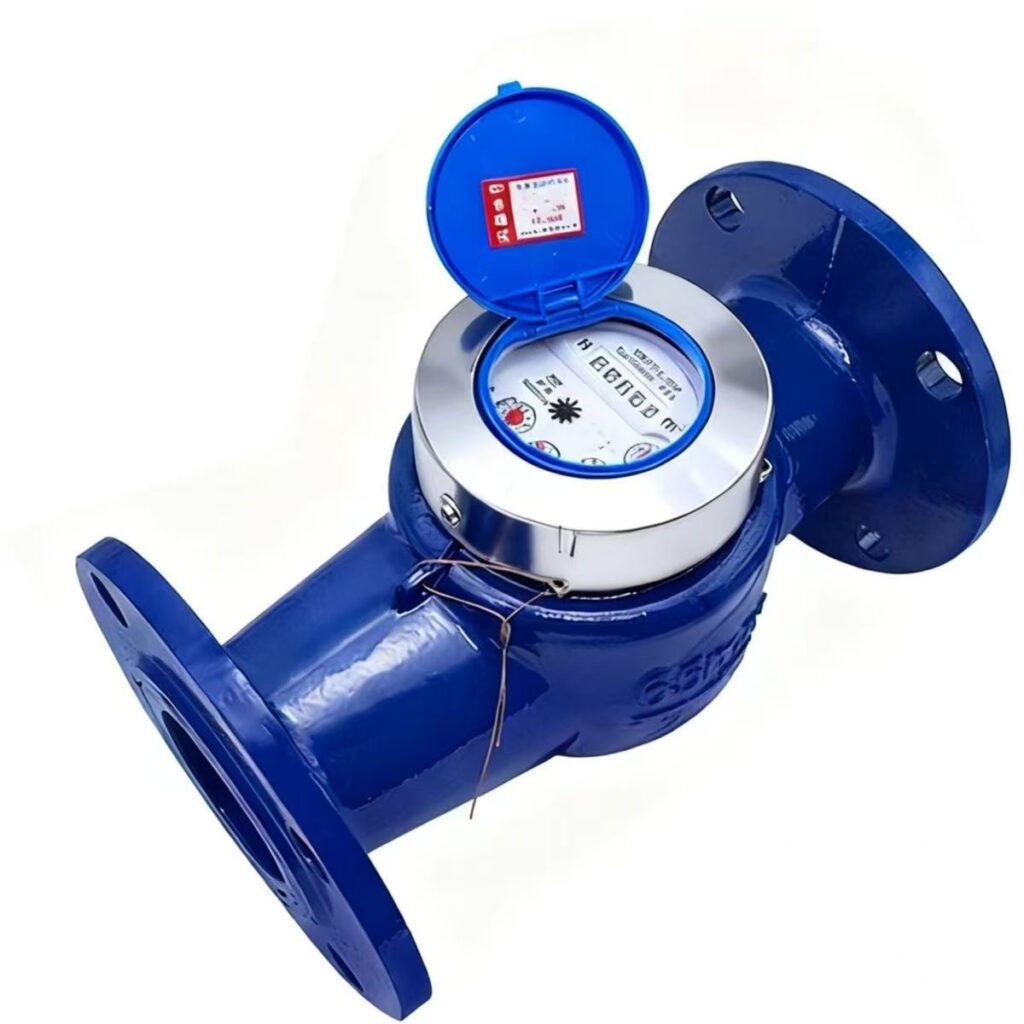
- Velocity-type Water Meters: Water flow drives an impeller to rotate. The faster the flow, the higher the impeller’s rotational speed. The accumulated flow is proportional to the number of rotations. Typical representatives are the multi-jet water meter (most common in households) and the Woltmann water meter (used for high flow rates).
- Positive Displacement Water Meters: Water fills a metering chamber with a fixed volume. Through the reciprocating motion of a piston or disc, water is discharged in continuous equal volumes, similar to measuring water cup by cup. They offer high accuracy but cause a higher pressure loss.
2. Electronic Water Meters
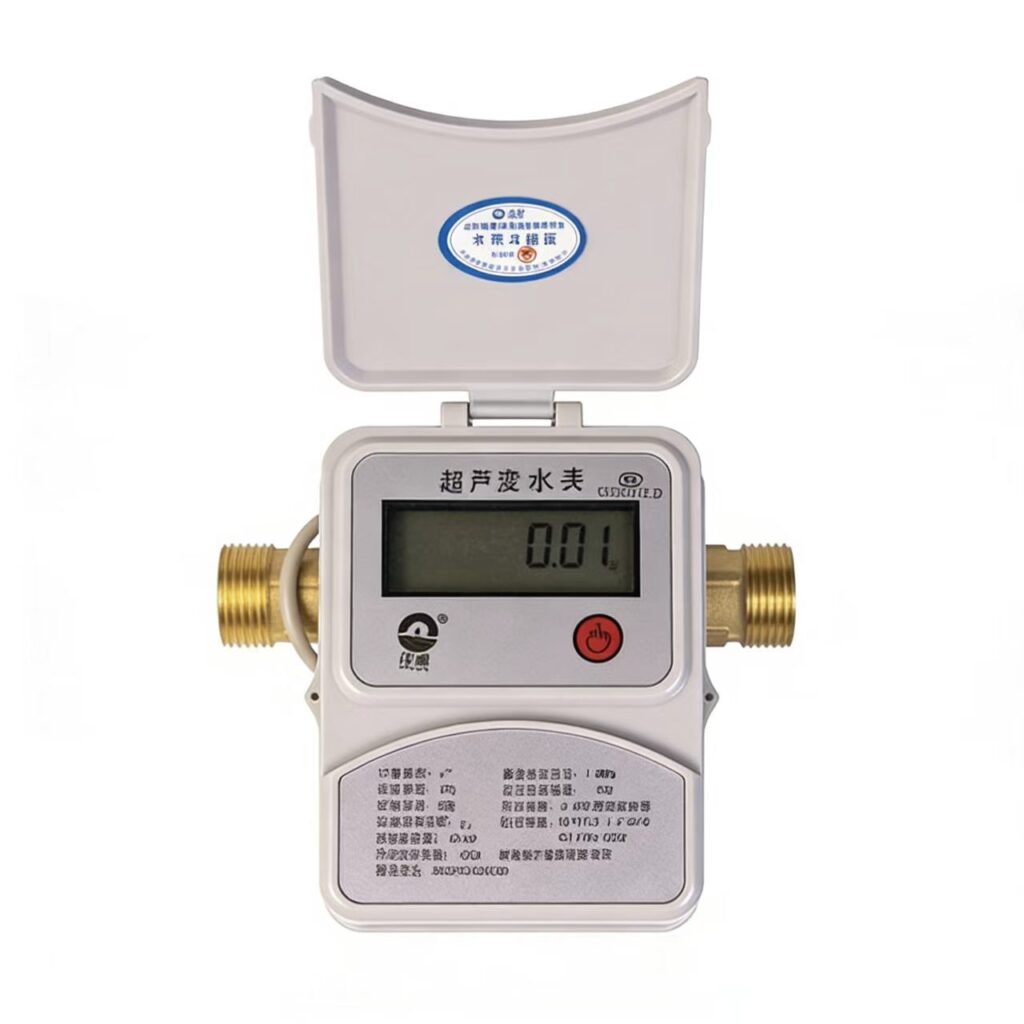
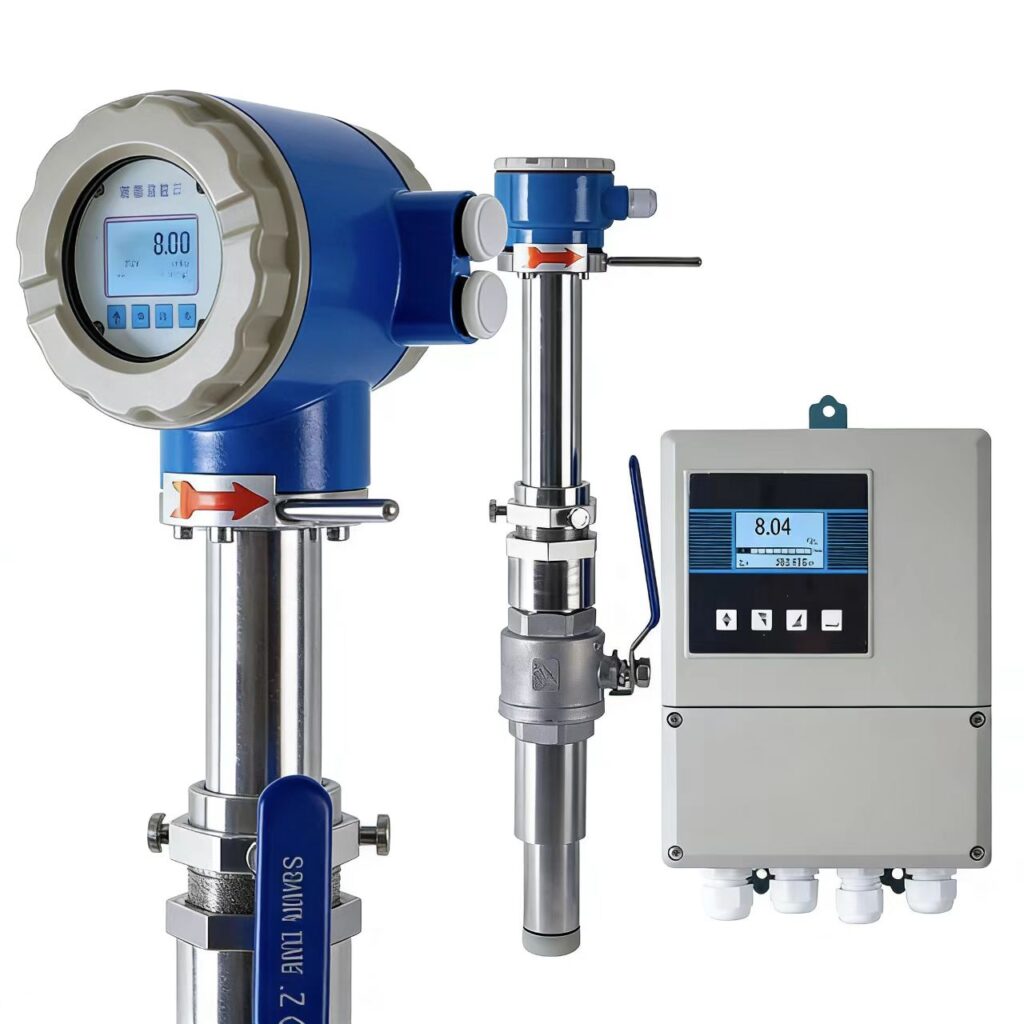
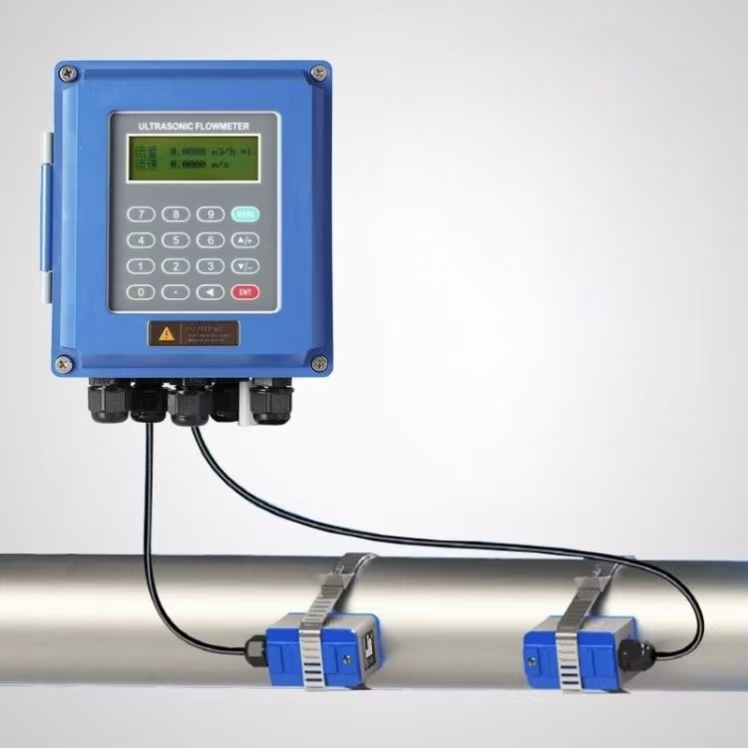
With technological advancement, electronic meters are becoming more common. They measure flow using physical principles, have no mechanical wear, and offer higher accuracy.
- Ultrasonic Water Meters: They measure flow velocity by calculating the time difference for an ultrasonic signal to travel with and against the flow direction, subsequently determining the flow rate.
- Electromagnetic Water Meters: Based on Faraday’s Law of Electromagnetic Induction, as a conductive liquid flows through a magnetic field, it generates an induced voltage proportional to the flow velocity. Suitable for conductive liquids only.
Common Types of Water Meters and Their Operation
1.Domestic Cold Water Meters
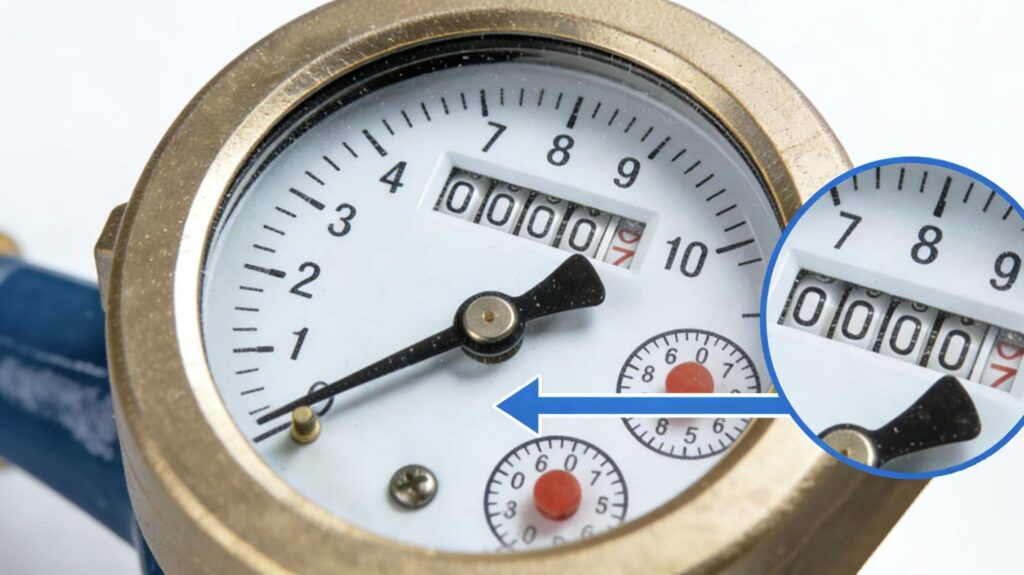
Typically refers to multi-jet water meters. Water flow impacts the impeller from multiple directions, reducing turbulence effects, making them stable and durable. Readings are displayed using a combination of numbered wheels and pointers.
2. Prepaid Water Meters
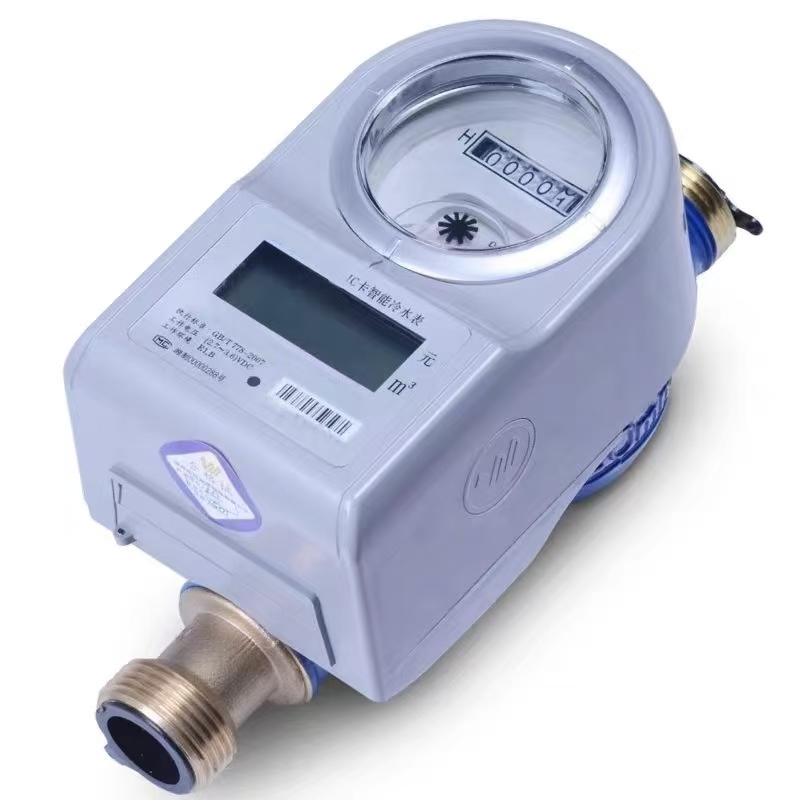
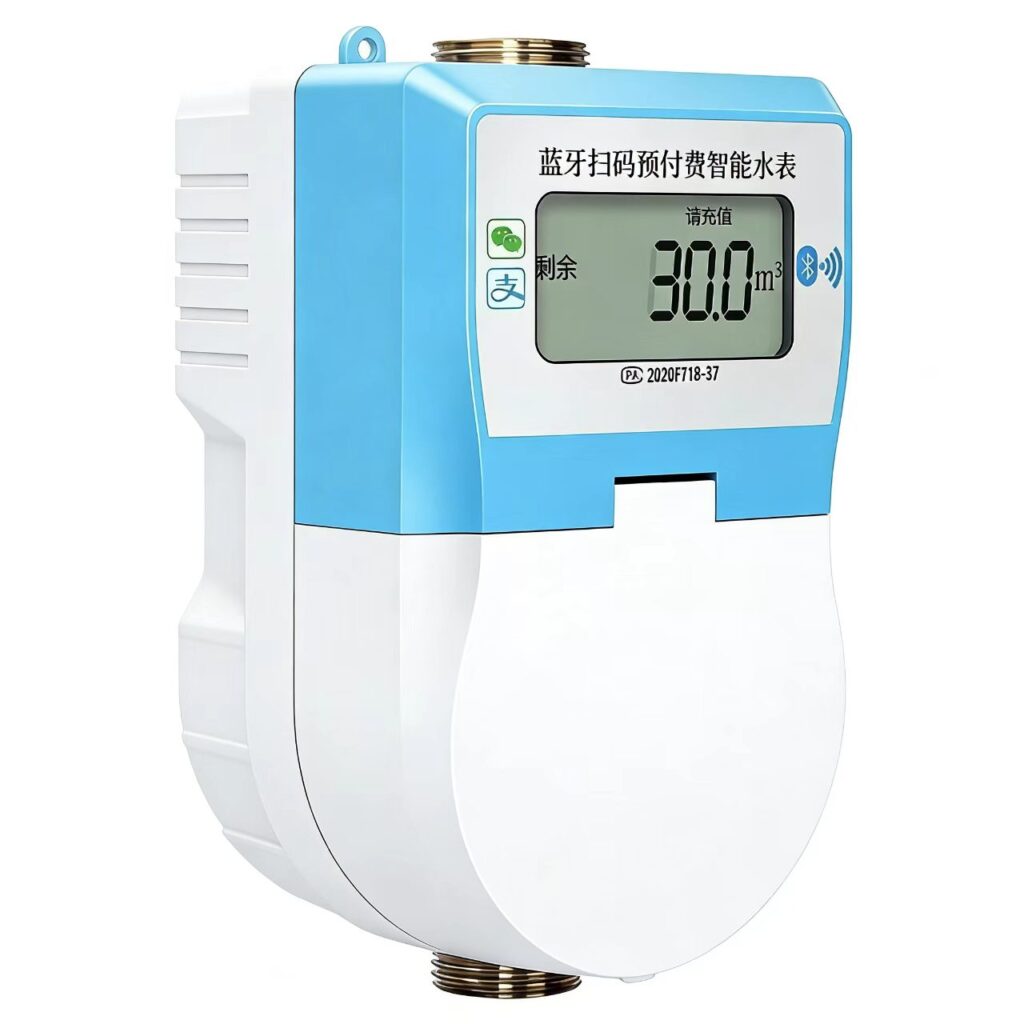
Also known as IC card water meters, they combine mechanical metering with electronic control. Users must purchase water credit in advance and load it onto the meter. The meter has a built-in valve that automatically shuts off when the balance is low. The metering part remains mechanical, but it includes an electronic module and an LCD display.
3. Clip-on Water Meters (Dry Dial Meters)
These are dry-dial meters where the counter is isolated from the water flow. Rotation is transmitted via magnetic coupling, preventing the water quality from affecting the reading. They are often used in areas with poor water quality.
4. Remote Reading Water Meters
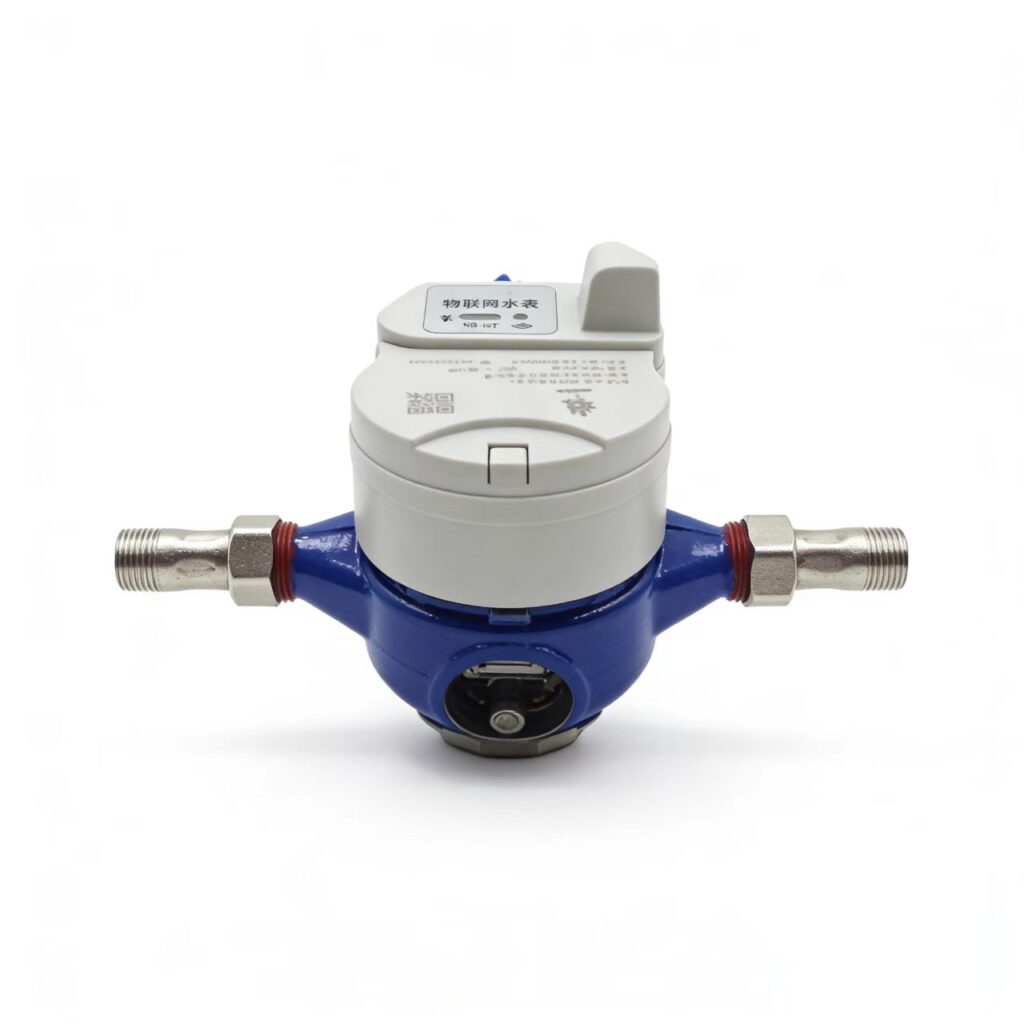
These are standard water meters with added sensors. They can transmit readings remotely to the water supply company via wired or wireless methods, enabling automatic meter reading (AMR).
How to Correctly Read a Water Meter?
Water meter readings are generally displayed in two ways:
- Digital Display: Directly shows the water consumption, with the unit typically being cubic meters (m³). Note that red pointers or decimal places are usually not billed.
- Pointer Dials: Similar to a clock face, with multiple pointers representing units, tens, hundreds, and thousands. They should be read in the indicated clockwise or counterclockwise direction.
In regions using imperial units, like the UK, water meters might display gallons (gal) or cubic feet (ft³), so pay attention to unit conversion.
Key Points for Water Meter Installation and Maintenance
Correct installation is crucial for metering accuracy:
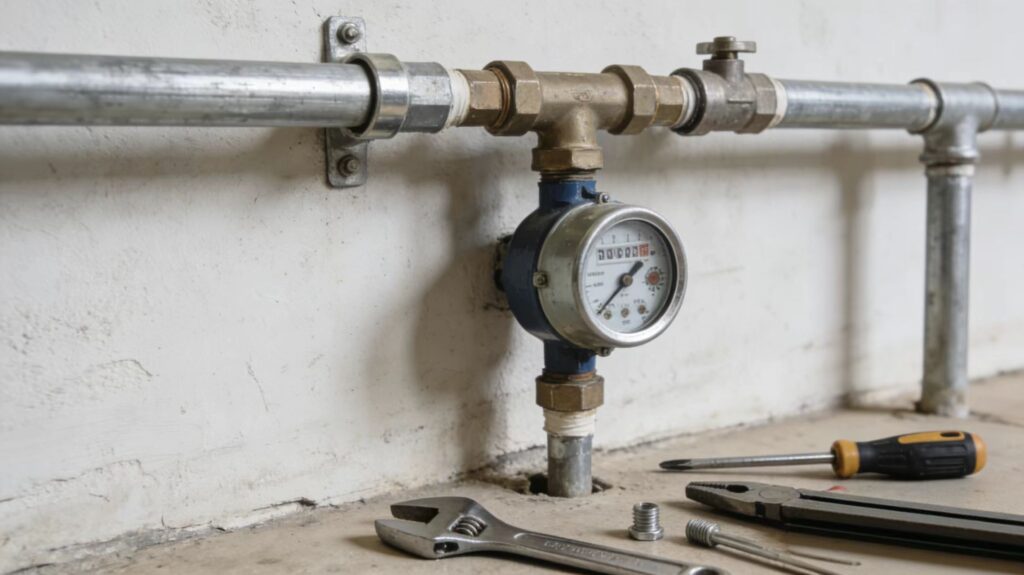
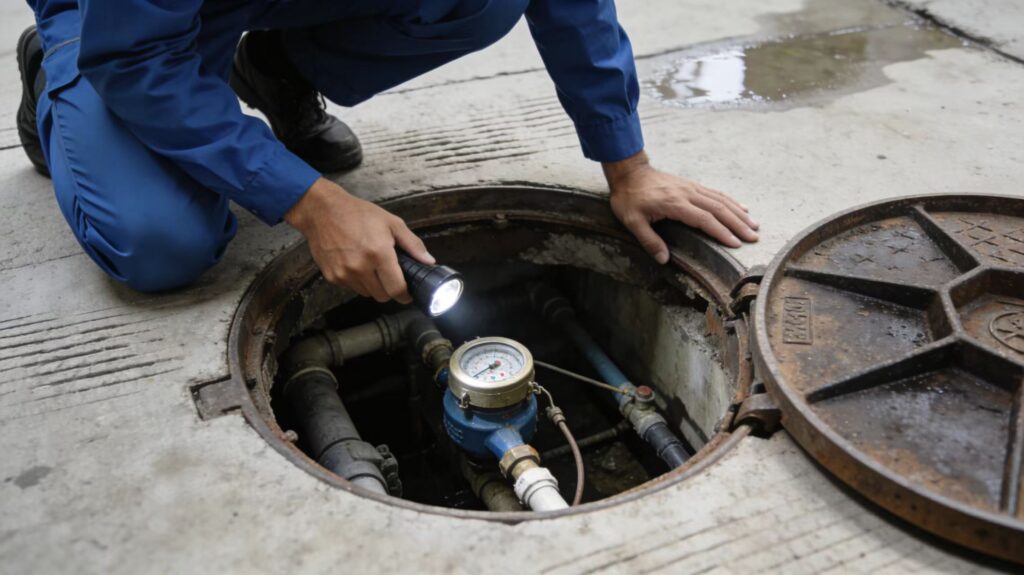
- Location Selection: The meter should be installed in a place that is easy to read and protected from direct sunlight and freezing temperatures.
- Straight Pipe Requirements: Sufficient lengths of straight pipe are needed upstream and downstream of the meter, typically 10 times the pipe diameter upstream and 5 times downstream, to ensure stable flow.
- Correct Orientation: The arrow on the meter body must align with the direction of water flow.
- Contamination Prevention: A shut-off valve and a strainer/filter should be installed before the meter to prevent debris from damaging it.
- Regular Inspection: If you notice the meter running when no water is used (spinning) or abnormal readings, contact a professional for inspection promptly.
Common questions and answers about the working principle of water meters
Q: Can a water meter run fast on its own?
A: Under normal conditions, water meters are very accurate. However, if there is air in the pipes or water pressure fluctuations, it can cause the pointer to move (sometimes called “spinning” or “air locking”), which is not a meter fault.
Q: How does a water meter affect my water bill?
A: The water company calculates your consumption based on the meter reading and multiplies it by the unit price to determine your bill. Some regions use tiered water pricing, where the unit price increases with higher consumption.
Q: How does a water meter affect my water bill?
A: The water company calculates your consumption based on the meter reading and multiplies it by the unit price to determine your bill. Some regions use tiered water pricing, where the unit price increases with higher consumption.
Conclusion
Although a small device, a water meter embodies the wisdom of fluid mechanics and electronic technology. Understanding its working principle not only helps us use water wisely but also allows us to promptly identify potential leaks at home. If you are planning to install or replace a water meter, it is recommended to consult your local water supplier, choose products that comply with national standards, and have them installed by a professional.
We hope this article gives you a more comprehensive understanding of water meters. For further details on specific models or regional specifics, please refer to the reference materials below.
Authoritative References and Further Reading
【1】 International Organization for Standardization (ISO)
- ISO 4064:2014 “Meters for water supply — Specifications for meters for cold potable water and hot water”, providing international standards for water meter design, performance, and testing.
【2】 Chinese National Metrology Verification Regulation
- JJG 162-2019 “Verification Regulation of Cold Water Meters”, detailing verification methods and intervals.
【3】 United Utilities Technical Manual
- “Metering Technical Specifications”, covering the working principles and data communication protocols for remote water meters.