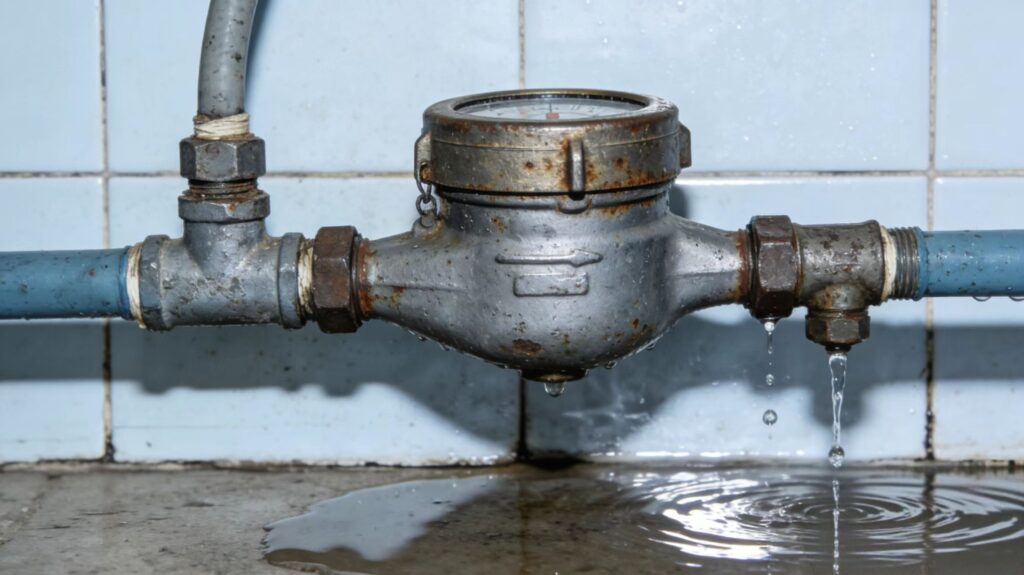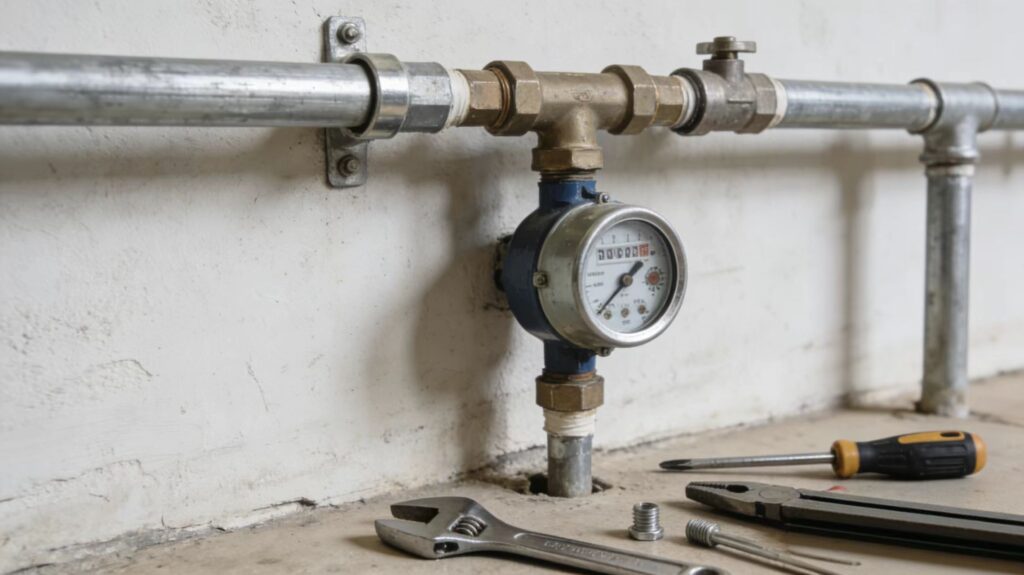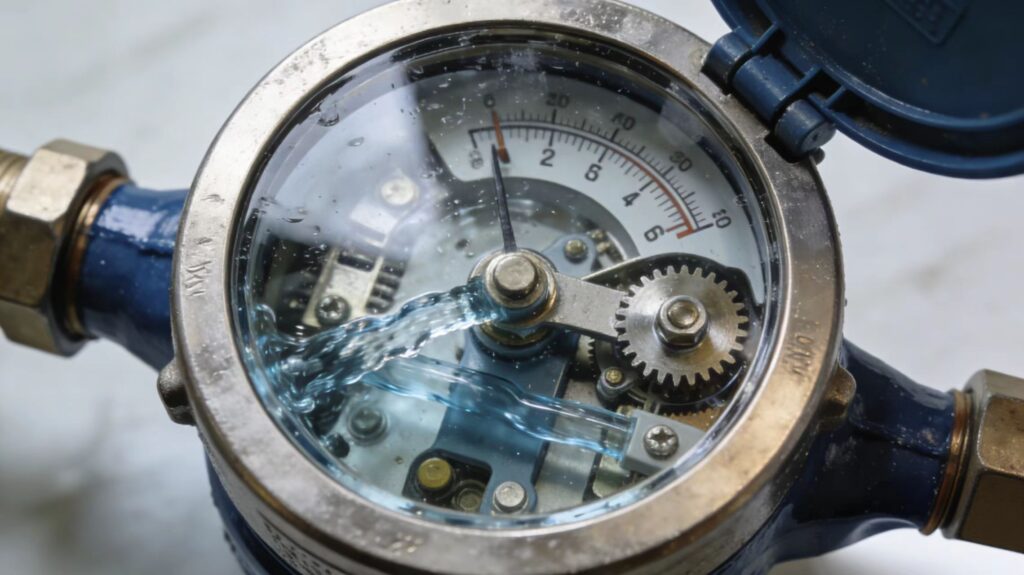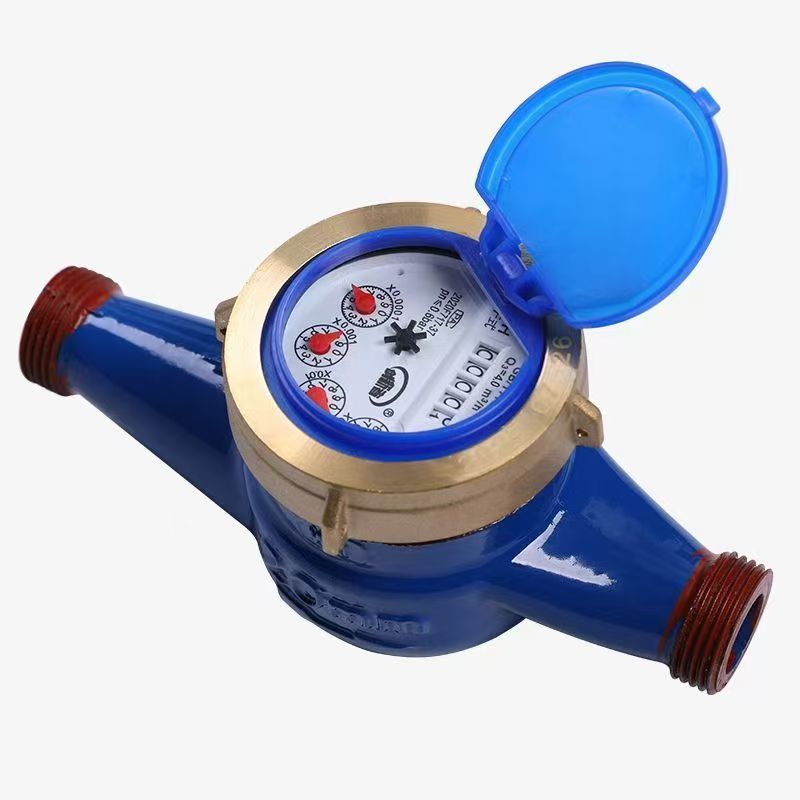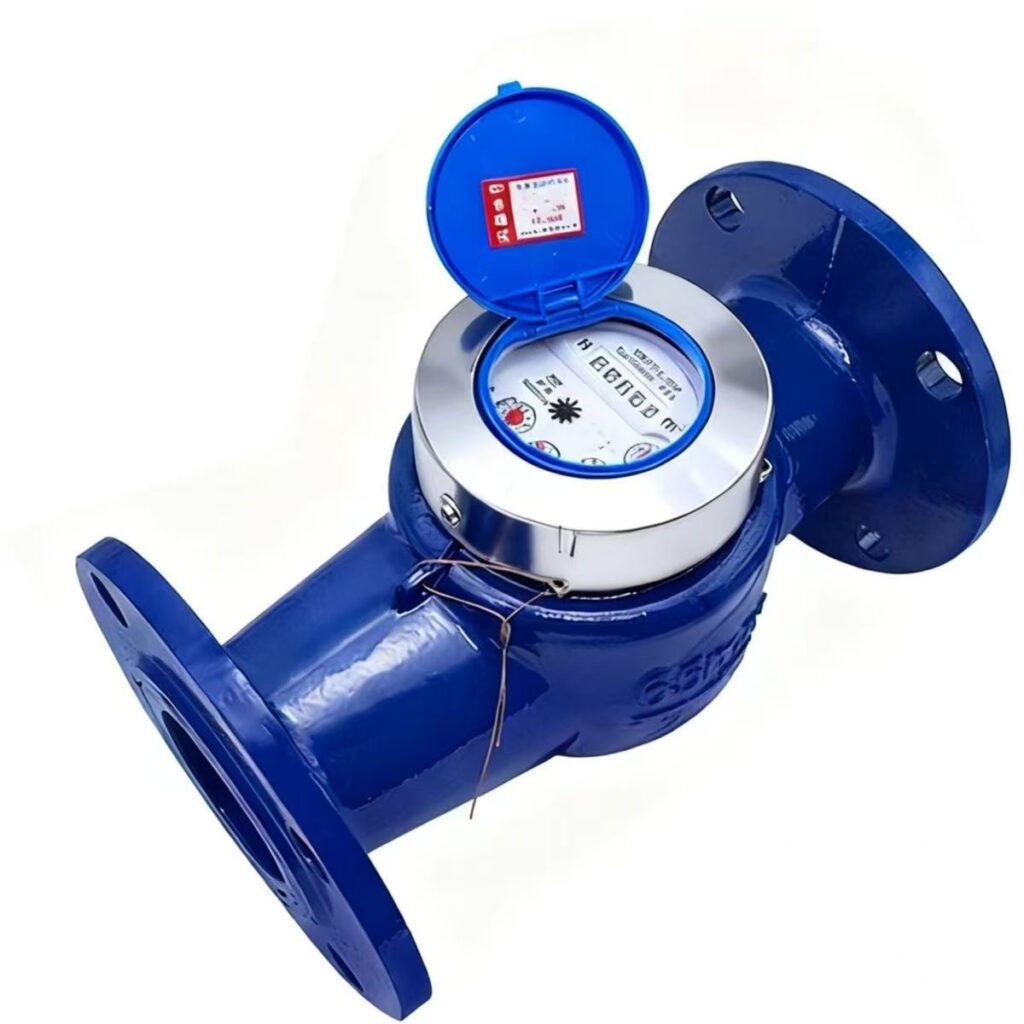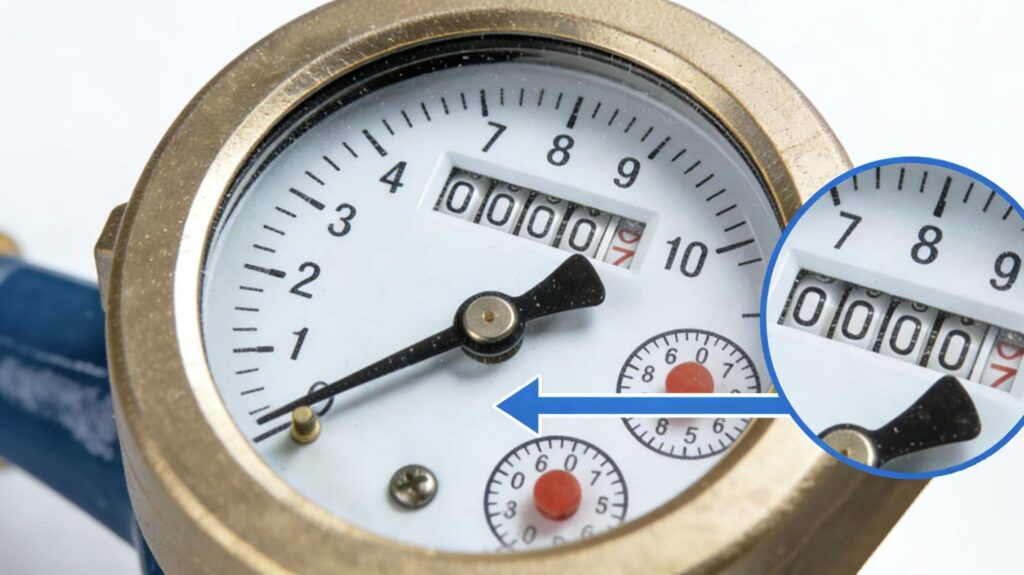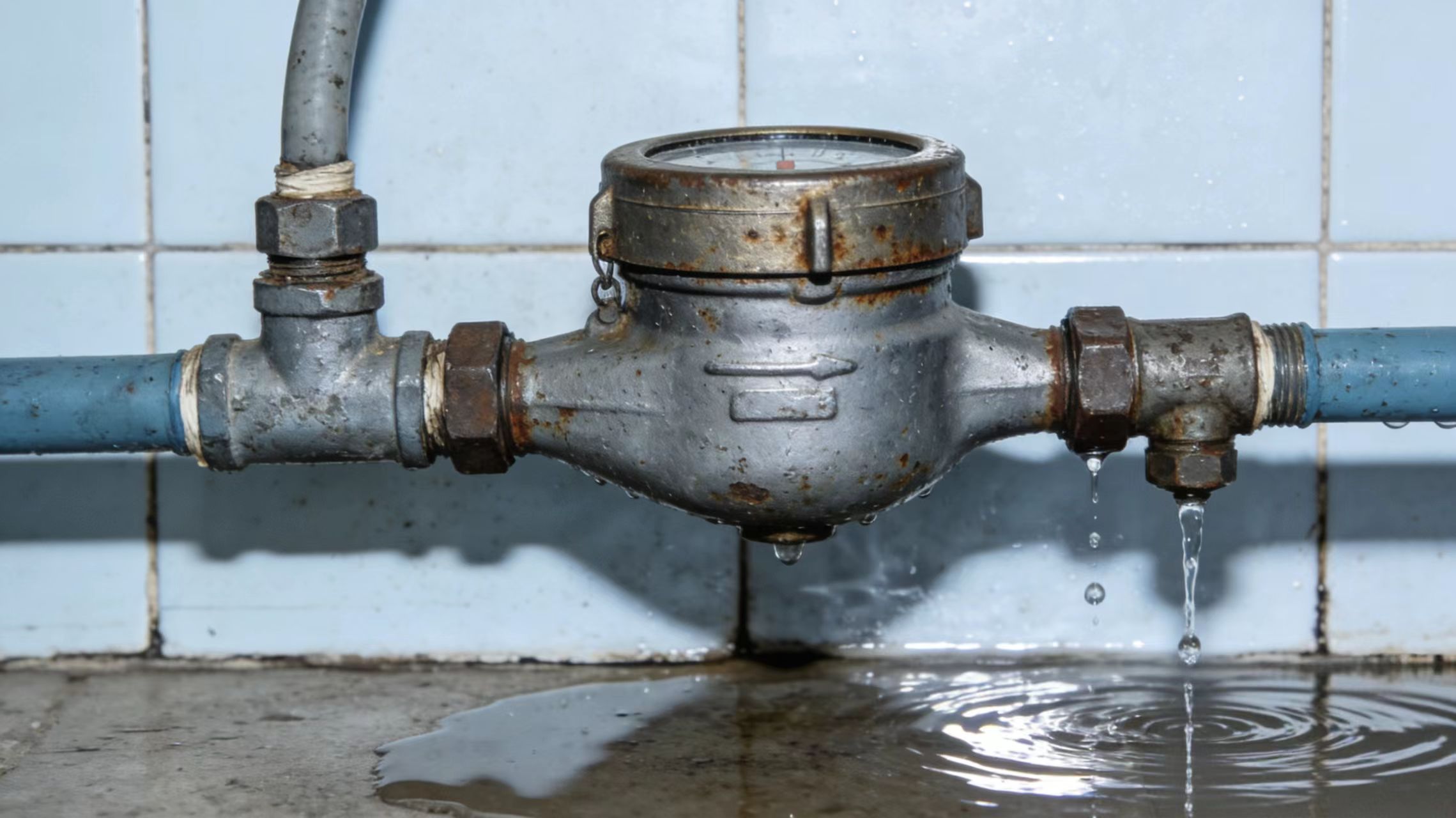
When you happen to glance at your water meter and notice that small triangular pointer is slightly vibrating even though no one is home using water, or when you are stunned by the numbers on your water bill—these situations often point to the same problem: a leak in your water meter or pipes.
Based on Google search analysis, users searching for “water meter leak” typically have the following core intentions:
- Diagnostic Intent: Want to know if a spinning meter means there is a leak, and how to confirm a leak actually exists.
- Locating Intent: Where exactly is the leak? Is it the meter itself, a hidden pipe in the wall or underground, or a toilet?
- Resolution Intent: What should I do after finding a leak? Who should I call to fix it? Who is responsible for the resulting surge in water bill costs?
This article will combine professional knowledge from water utilities and practical troubleshooting experience to help you tackle water meter leaks step by step.
Step 1: How to Confirm Your Water Meter is “Secretly” Leaking?
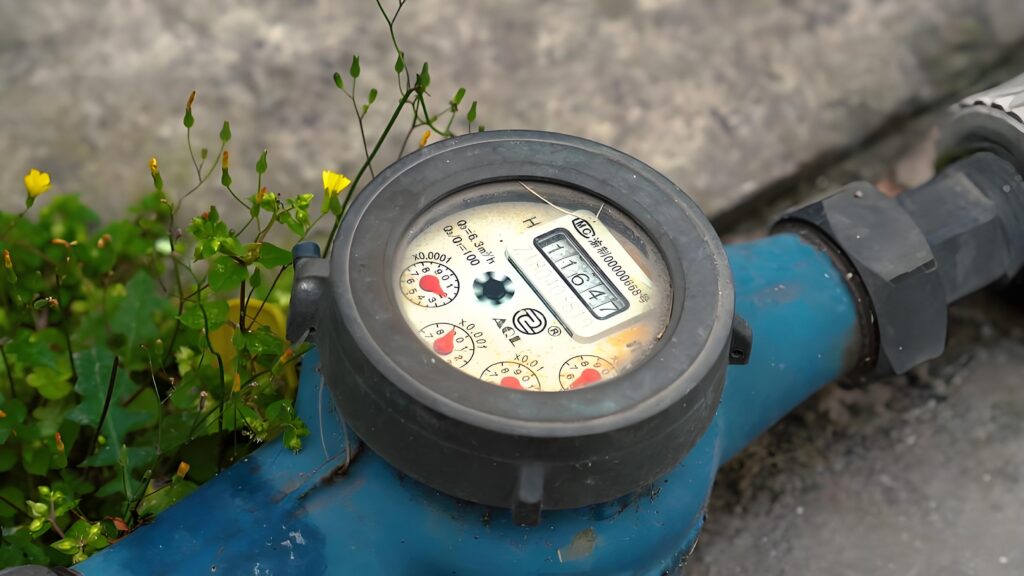
Before starting any repairs, you must first check whether the water meter is leaking. Assuming a leak just because your water bill is high might be premature; we need a scientific approach.
1.The Most Reliable “Two-Hour Test”
According to recommendations from many water utilities, you can test for a leak by following these steps:
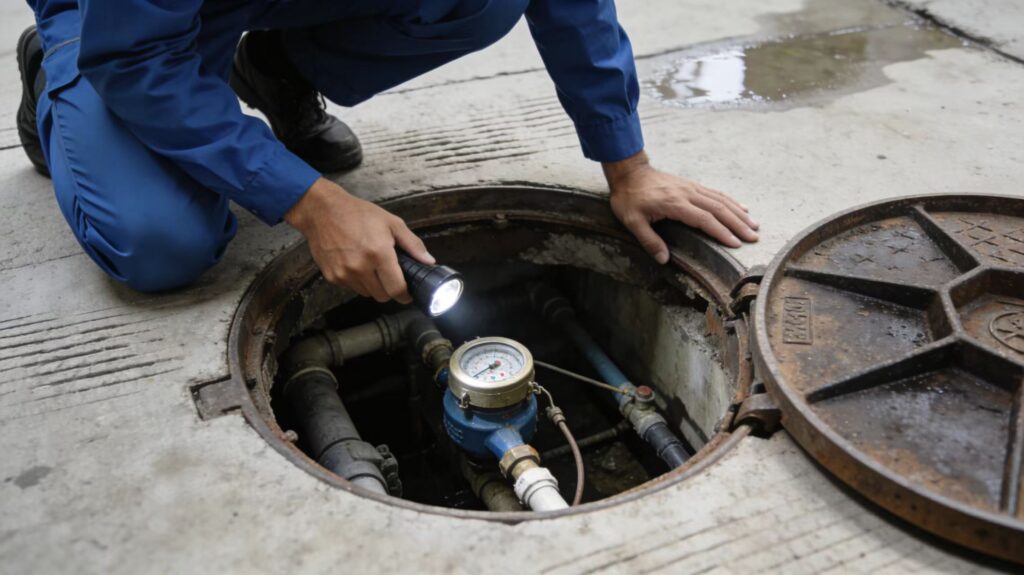
- Preparation: Locate your water meter (usually in the front yard, basement, or under a sink) and ensure all water-using appliances in your home—including washing machines, water dispensers, and toilets—are turned off.
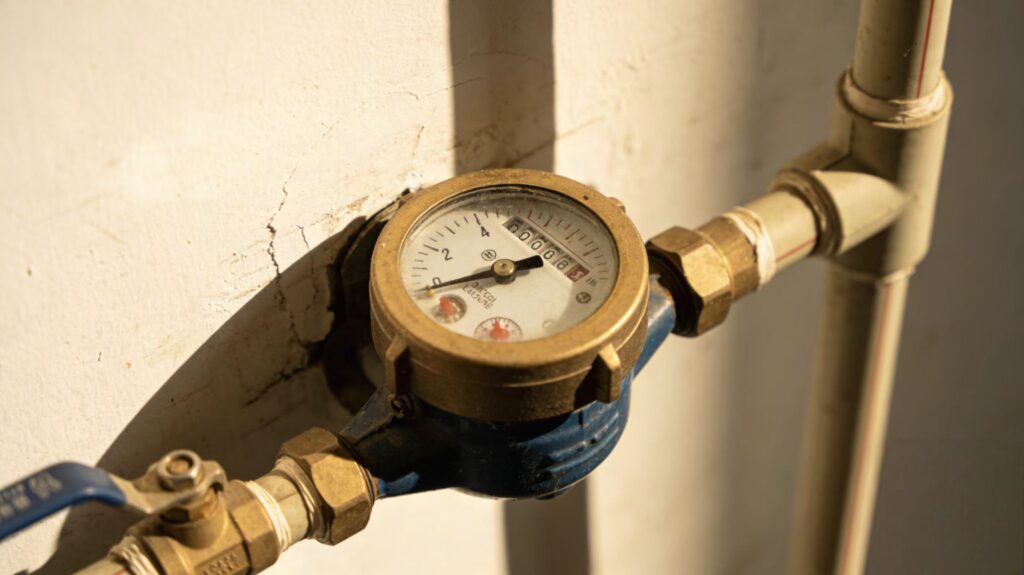
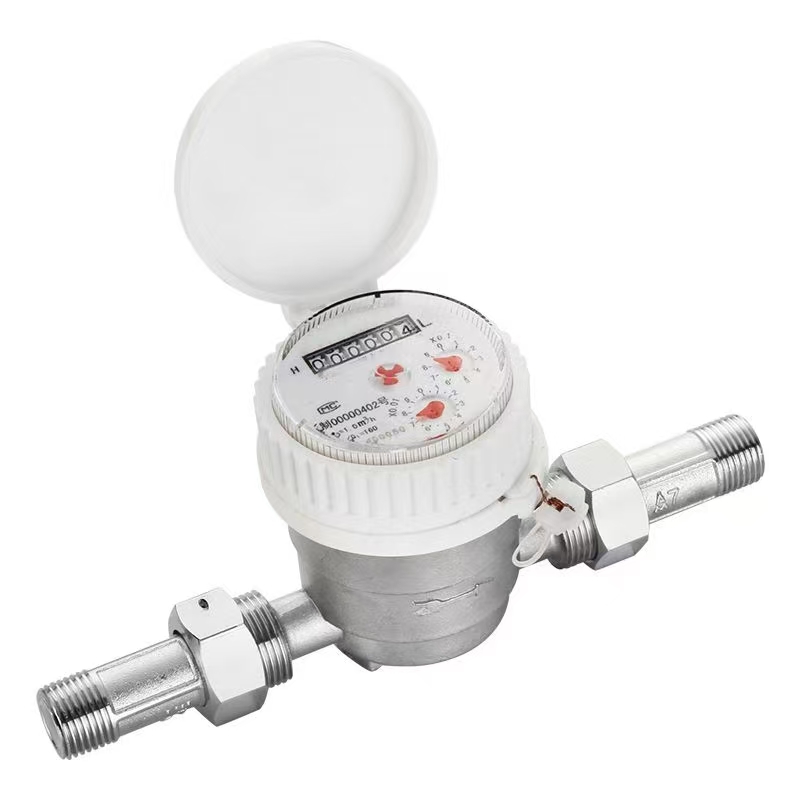
- Record Initial Reading: Write down all the numbers on the water meter, including that small red triangle or small gear.
- Wait Patiently: Wait for at least 30 minutes to 2 hours. If possible, leave the house and avoid using any water during this period.
- Take Final Reading: Check the water meter again upon returning. If the reading has changed, or if that small red triangle is still spinning, then congratulations (in a manner of speaking), you can essentially confirm a leak exists.
2.Using Your Modern Meter’s “Leak Indicator”
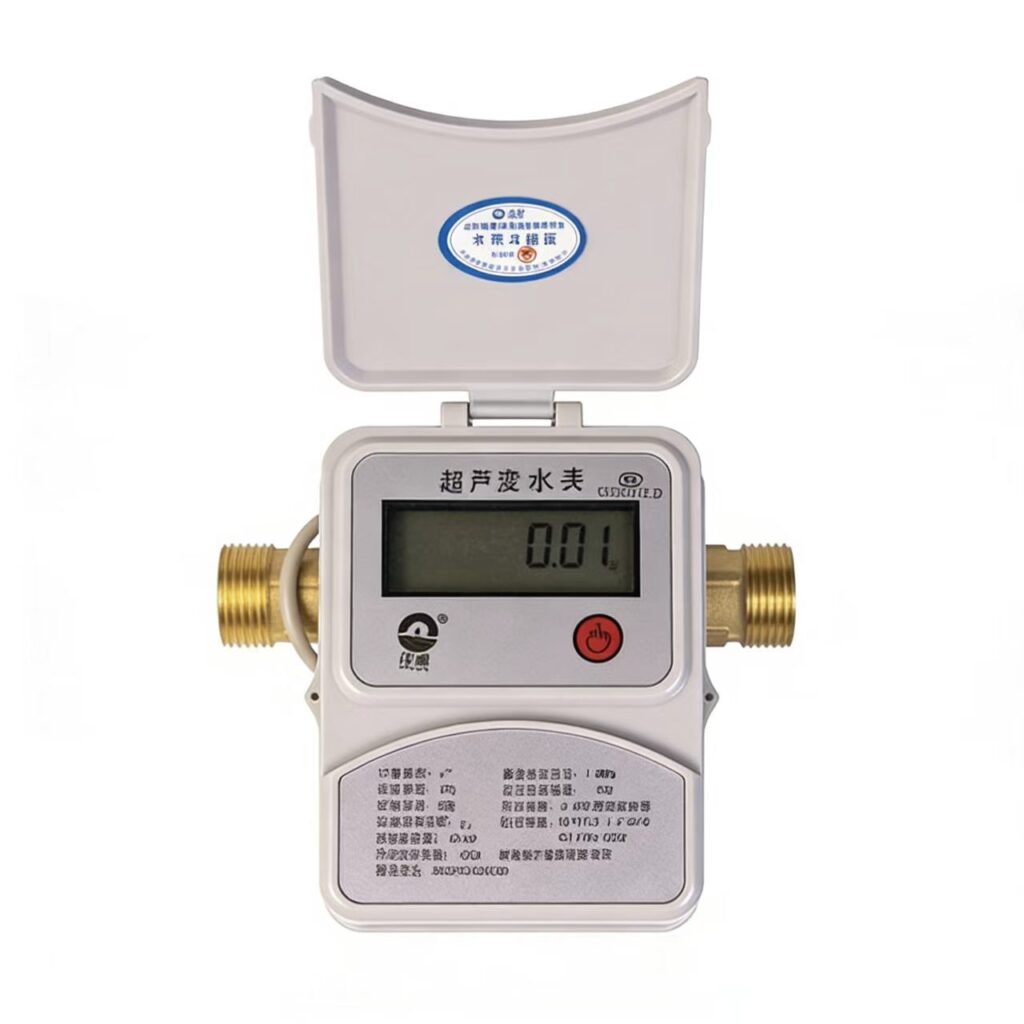
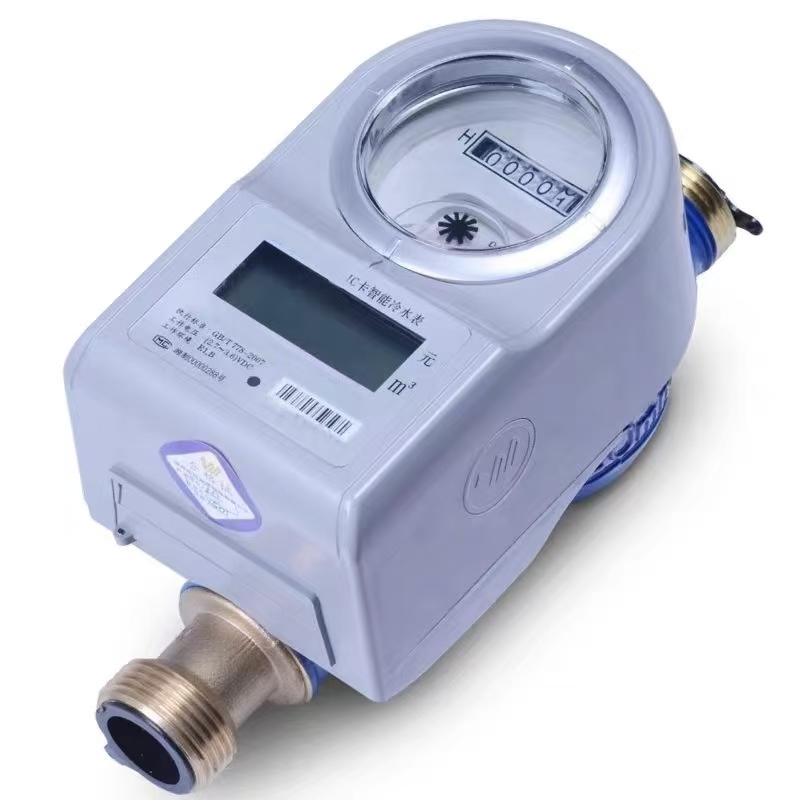
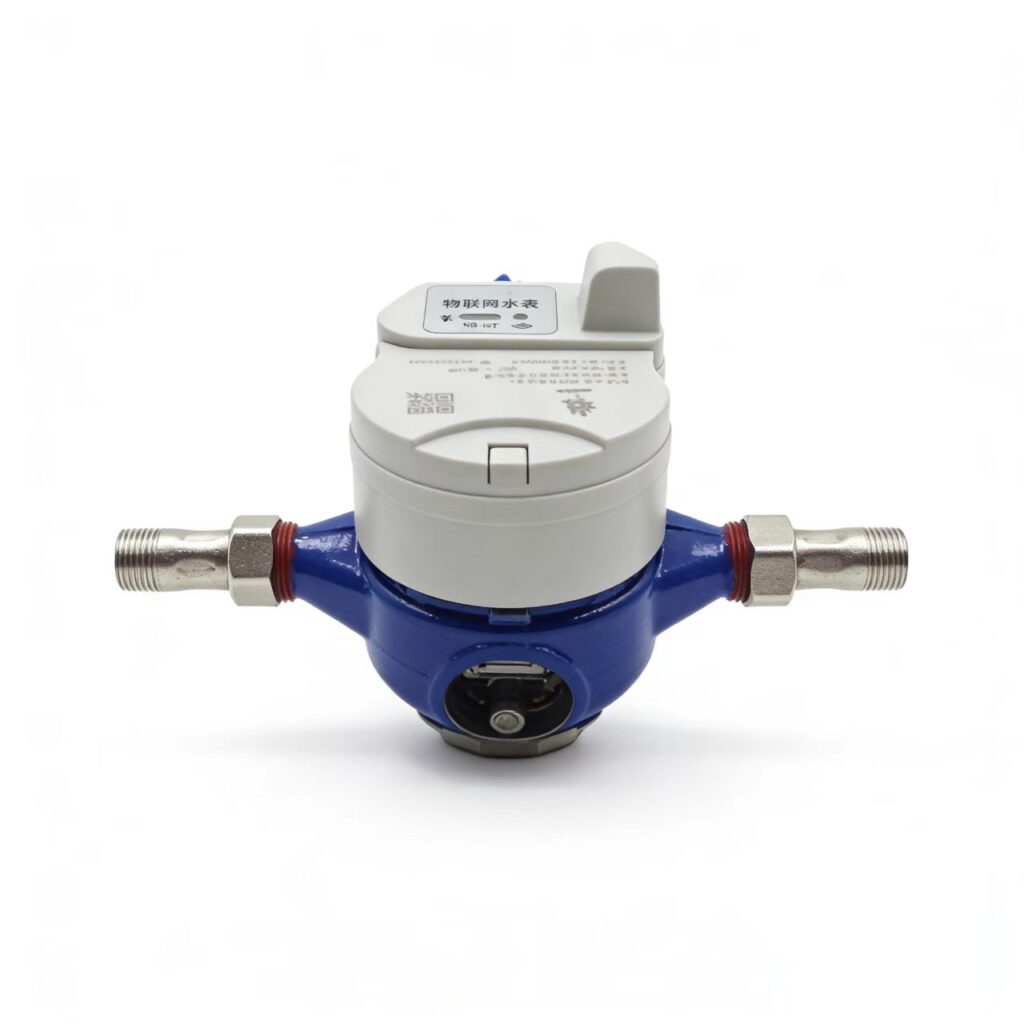
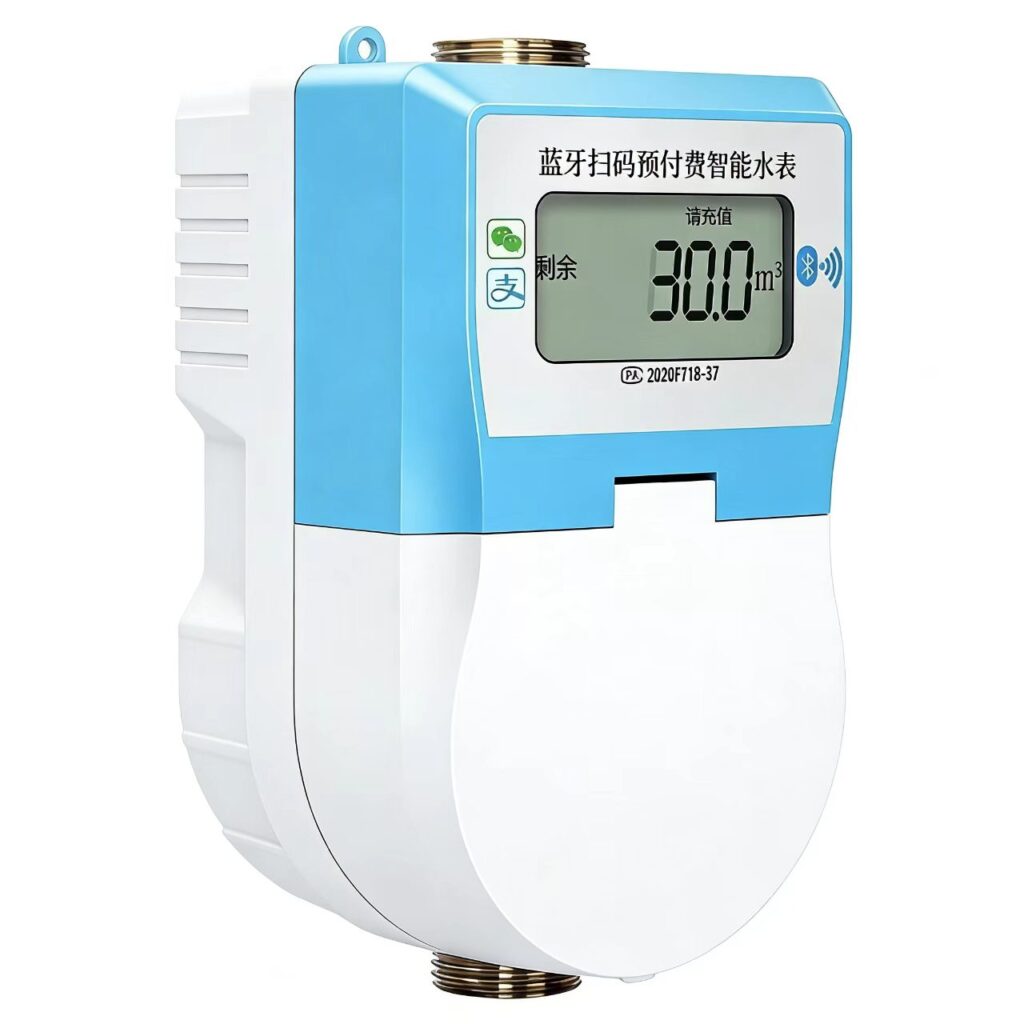
Many new water meters now come with smart features. Observe the LCD screen or dial of your water meter carefully:
- Droplet Icon: Many meters have an icon resembling a faucet (Leak Indicator). If this icon is constantly on or flashing, it indicates the meter has detected a continuous or intermittent flow of water.
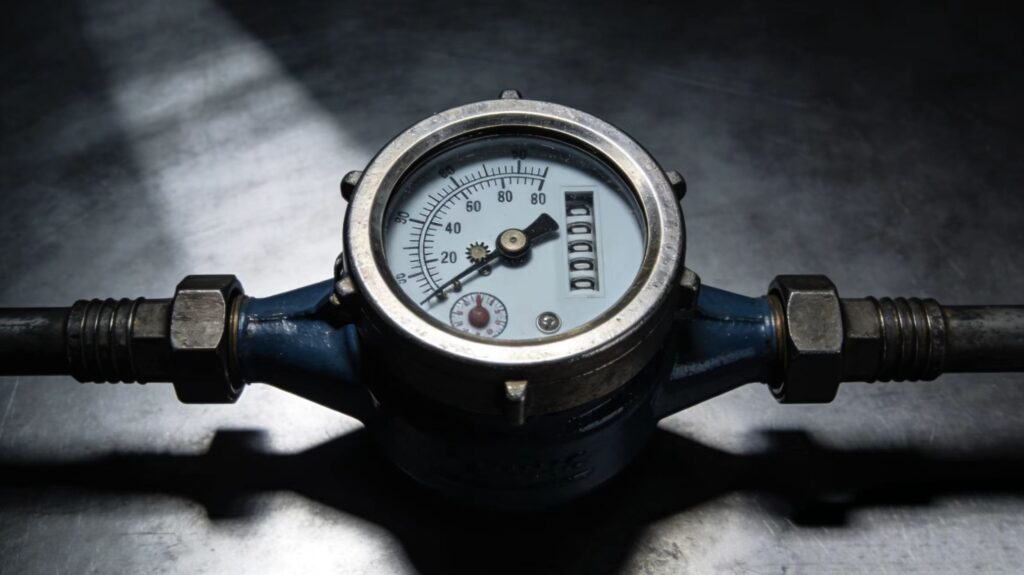
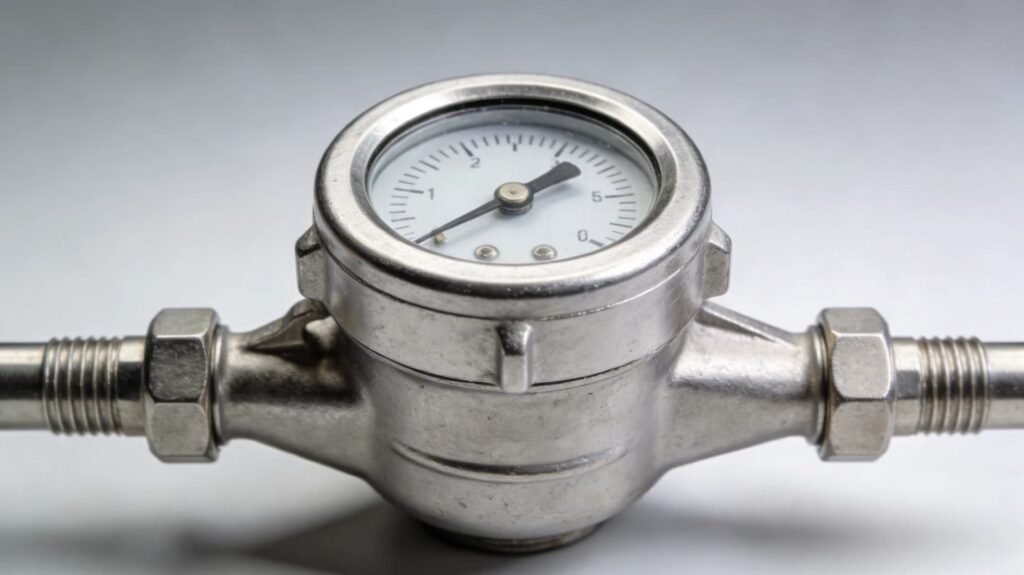
- Triangle Pointer: Older meters usually have a prominent red or black triangle pointer. This is an excellent tool for detecting tiny leaks—it will spin with just the slightest flow of water.
Step 2: What Are the Common Culprits for Leaks?
Once a leak is confirmed, the next step is locating the source. According to industry statistics, the vast majority of household leaks do not come from deeply buried main pipes but from readily accessible water fixtures.
1.Public Enemy Number One: The Toilet
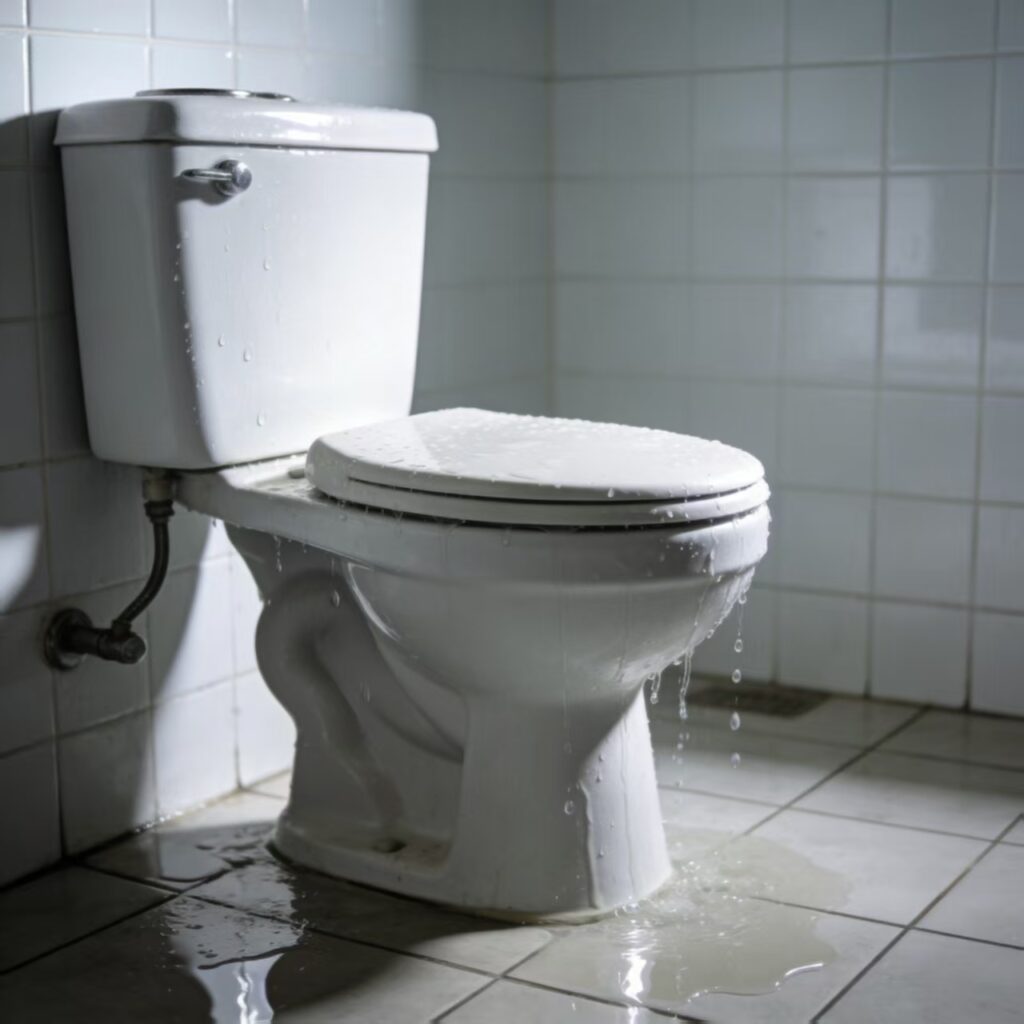
Yes, that seemingly quiet toilet is actually the number one culprit for skyrocketing water bills.
- Fault Mechanism: If the float ball valve inside the toilet tank is adjusted too high or the seal is worn, water will continuously flow down the overflow tube. This type of leak is often silent, as you don’t hear obvious running water.
- Quick Test: Open the toilet tank lid and observe if the water surface is calm. If the water in the tank is slightly rippling, or if water is flowing into the overflow tube, your toilet is leaking. You can also drop a few drops of food coloring or soy sauce into the tank. If color appears in the toilet bowl after 15 minutes, a leak is confirmed.
2.Easy-to-Overlook Concealed Leaks
Many new water meters now come with smart features. Observe the LCD screen or dial of your water meter carefully:
- Buried Pipes: Many ground-floor residents buried water pipes under the floor during renovations. If these pipes age and crack, water seeps directly into the ground. The floor may look dry, but the meter keeps spinning.
- Water Heater Hoses: The flexible hoses connecting your water heater endure constant pressure and can age and crack, causing slow seepage.
- Old-Style Valves: If you still have old gate valves that require many turns to close, the rubber washer inside may be damaged, leading to minor seepage under specific water pressure conditions.
Step 3: Using the Meter to “Pinpoint” the Leak
Once you’ve found the meter, it’s not just a measuring tool; it’s a diagnostic tool. By simply operating valves, you can precisely locate the leak area.
1.How to Distinguish Between Indoor and Outdoor Leaks
- Turn Off the Main Indoor Shut-off Valve: Locate the main shut-off valve for your house (usually after the meter but before the pipe enters the house) and close it.
- Observe the Meter’s Reaction:
- If the pointer stops spinning after closing the main valve: This indicates the leak is inside your house’s plumbing, or in a specific fixture (like a faucet or toilet).
- If the pointer keeps spinning even after closing the main valve: This indicates the leak is in the pipe section between the water meter and your house’s main shut-off valve (the outdoor or underground section). This usually involves a ruptured buried pipe and is more difficult to repair.
2.Dedicated Toilet Test
If you suspect the toilet but aren’t sure, you can first turn off the angle stop valve located behind the toilet. If the water meter stops spinning as a result, the problem is almost certainly the toilet.
Step 4: What Should I Do After Finding a Leak?
1.Emergency Damage Control
- Shut the Valve Immediately: If the leak is significant, immediately close the main indoor shut-off valve or the valve after the meter to cut off the water supply.
- Call for Repairs:
- Faulty Meter Itself: If you suspect the meter itself is damaged (causing inaccurate measurement or leaking), contact your local water utility immediately. According to regulations, users are not permitted to dismantle the water meter themselves, as doing so may result in penalties.
- Leaks in Pipes After the Meter: If the leak is in your home’s internal pipes, you typically need to contact property management or hire a professional plumber for repairs.
2.Understanding Responsibility and Costs
Many new water meters now come with smart features. Observe the LCD screen or dial of your water meter carefully:
- Meter Ownership Boundary: Generally, the water meter and the pipes before it (towards the street) are the responsibility of the water supply company, while the pipes after the meter (towards the house) are the homeowner’s responsibility. However, the exact demarcation point can vary slightly by location, so it’s best to consult your local water department.
- Handling Bill Disputes: If a leak results in an exorbitant water bill, don’t simply refuse to pay. First, preserve evidence of the leak (e.g., a video of the spinning meter, repair receipts). Then, file a complaint with the water utility or call the local government service hotline (like 12345 in China). Some areas have policies for reducing bills for accidental, unavoidable leaks.
| Leak Type | Common Locations | Simple Diagnostic Method | Responsible Party |
|---|---|---|---|
| Toilet Leak | Inside the tank | Food coloring test, listening | Homeowner/Tenant |
| Indoor Pipes | Inside walls, under floor | Meter stops when indoor valve is closed | Homeowner/Property Mgt. |
| Outdoor Pipes | Between meter and house | Meter still spins when indoor valve is closed | Homeowner (Utility may assist in some areas) |
| Faulty Meter | The meter itself | Visibly damaged, spins steadily with no water use | Water Utility |
Conclusion
A simple “two-hour test” can quickly confirm a leak, and using the meter itself for valve comparison tests can precisely locate it. Once you’ve found the problem, contacting the appropriate repair party based on the leak type is the best way to protect your wallet and avoid legal trouble.
Authoritative References and Further Reading
【1】 People’s Government of Fenghua District, Ningbo. (2023-11-28). Four Major Reasons Why Your Water Meter Runs When Not in Use.
【2】Market Supervision Administration of Yanfeng District. (2025-07-31). Metrology Popularization: Common Questions about Civilian “Three Meters”.
【3】 Waterford, MI. (n.d.). Troubleshooting a Leak.