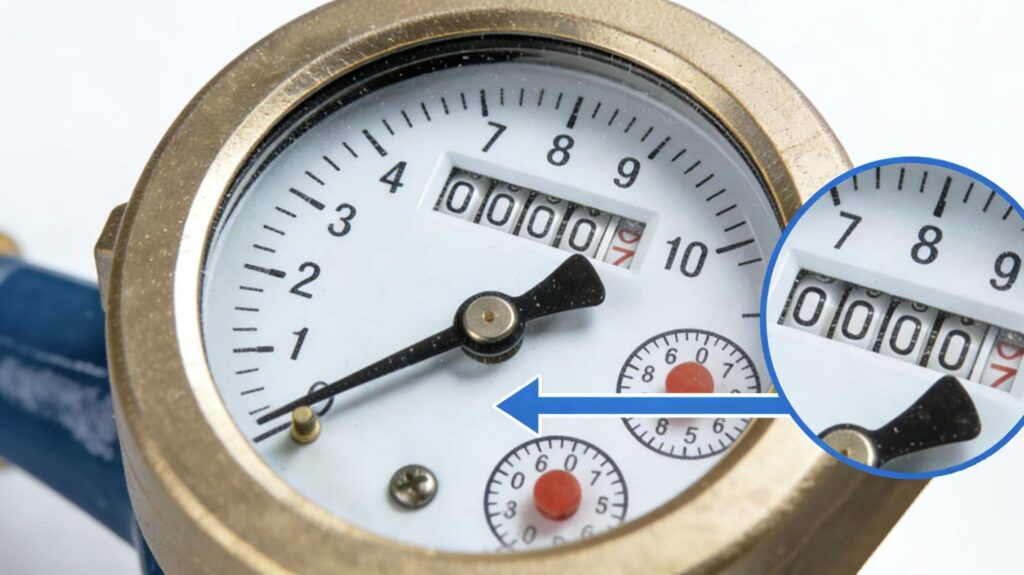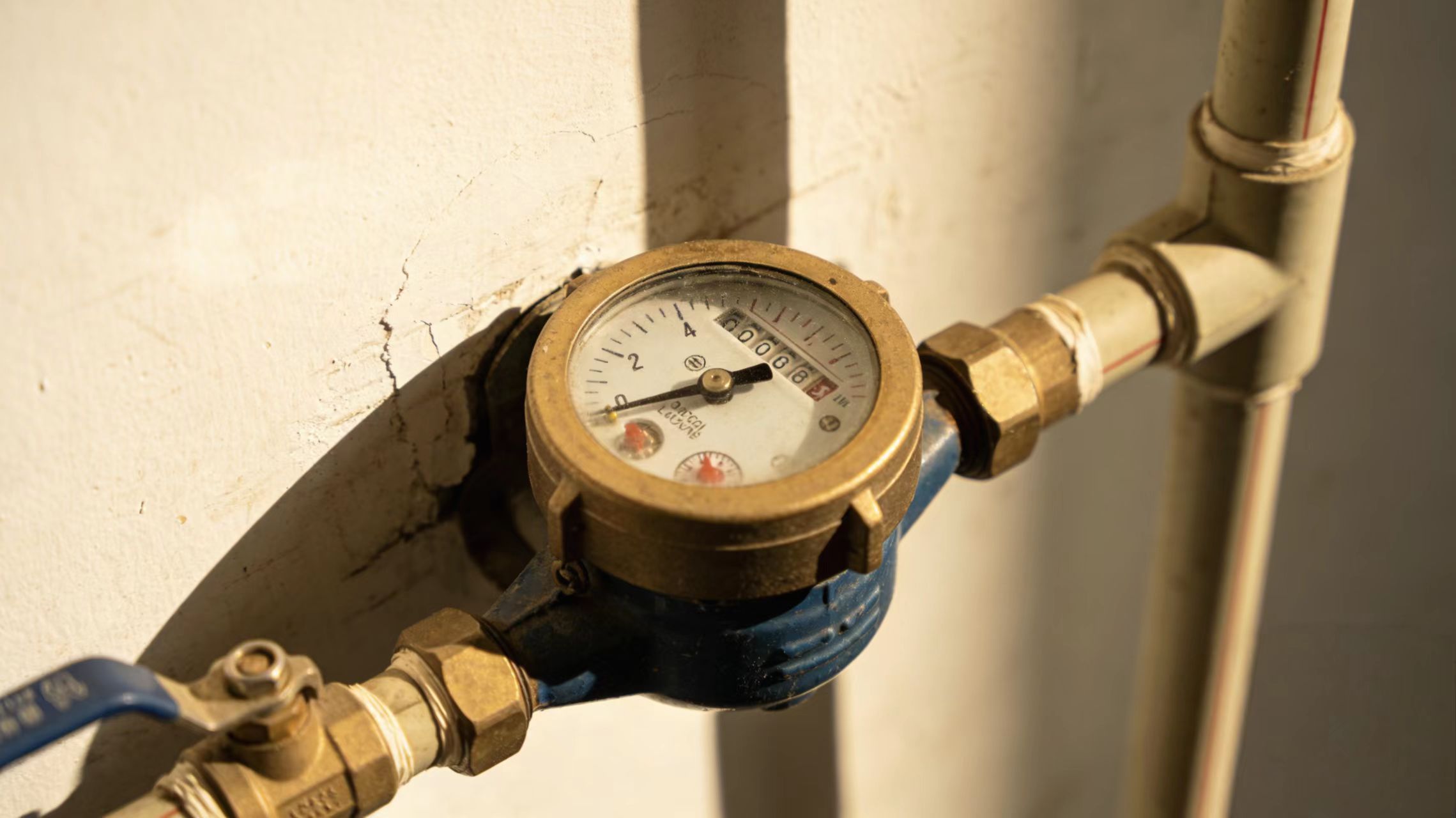
For many homeowners, the question “Where is the water meter located?” usually arises in one of two situations: receiving an unexpectedly high water bill, or dealing with a sudden burst pipe that requires shutting off the main water valve immediately. Whether you’re checking for leaks, verifying your water usage, or simply wanting to understand your home’s basic infrastructure, knowing how to quickly locate your water meter is an essential life skill.
Based on Google search data analysis, users searching for “where is water meter located” typically have very specific task-oriented intentions. By combining insights from search dropdowns and related questions, we can identify that user search intent mainly focuses on the following aspects:
- Location Needs: Wanting to know whether the water meter is specifically in a certain indoor room (e.g., basement, under the sink) or in a specific outdoor area.
- Operational Purpose: Finding the meter to read the dials, check for leaks, or turn off the home’s main water valve.
- Special Scenarios: Searching for meters in older homes, apartments, or houses without basements under specific conditions.
To meet these needs, this article provides a structured guide to help you easily locate your water meter.
Step 1: First, Determine If Your Meter Is Indoors or Outdoors?
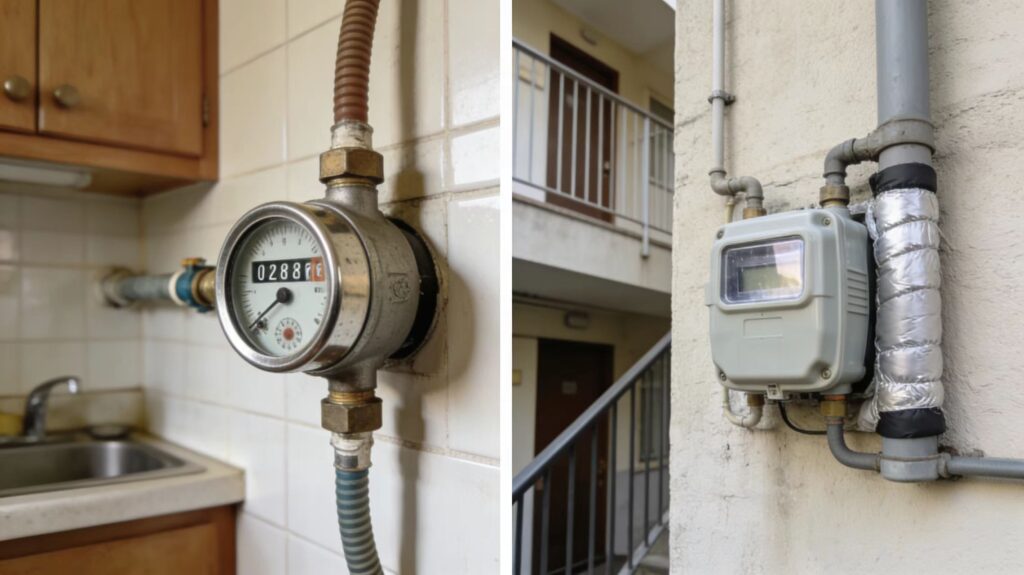
The installation location of a water meter mainly depends on the climate in your area and the type of house construction. Generally, in warmer climates, water meters are often installed outdoors; in colder regions, to prevent the meter from freezing, they are typically installed indoors.
1.Typical Indoor Water Meter Locations
If you live in an area with cold winters, or if your house has a basement, the water meter is highly likely to be here:
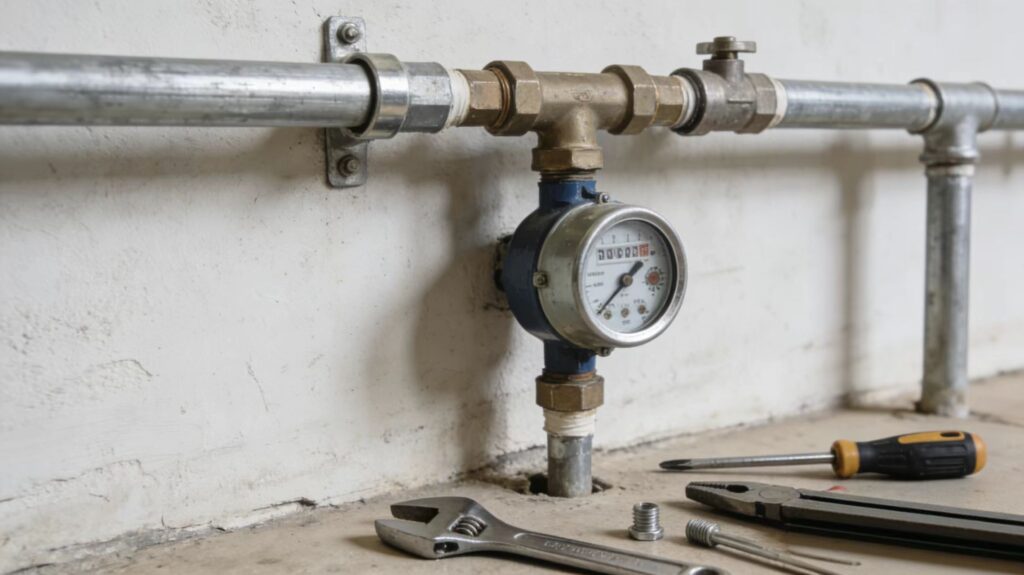
- Basement: This is the most common location. Follow the path where the main water line enters the house. The meter is usually installed near the front wall of the basement, close to the entry point of the main water pipe.
- Utility Room or Closet: In some bungalows or Southern homes without basements, the water meter might be installed next to the water heater indoors, or inside a closet designated for HVAC equipment.
- Under the Kitchen Sink: In older houses or apartments with specific designs, the water meter might be hidden under the kitchen or bathroom sink cabinet, usually in a deep corner of the cabinetry.
- Crawl Space: If the house is built over a crawl space, you might need to prepare mentally and physically, grab a flashlight, and crawl in to look. It’s usually located near the exterior foundation wall.
- Mudroom or Laundry Room: Areas near washing machines and utility sinks are common entry points for water lines and are worth checking.
2.Typical Outdoor Water Meter Locations
If you live in a mild climate, or your house lacks a basement, search outdoors:
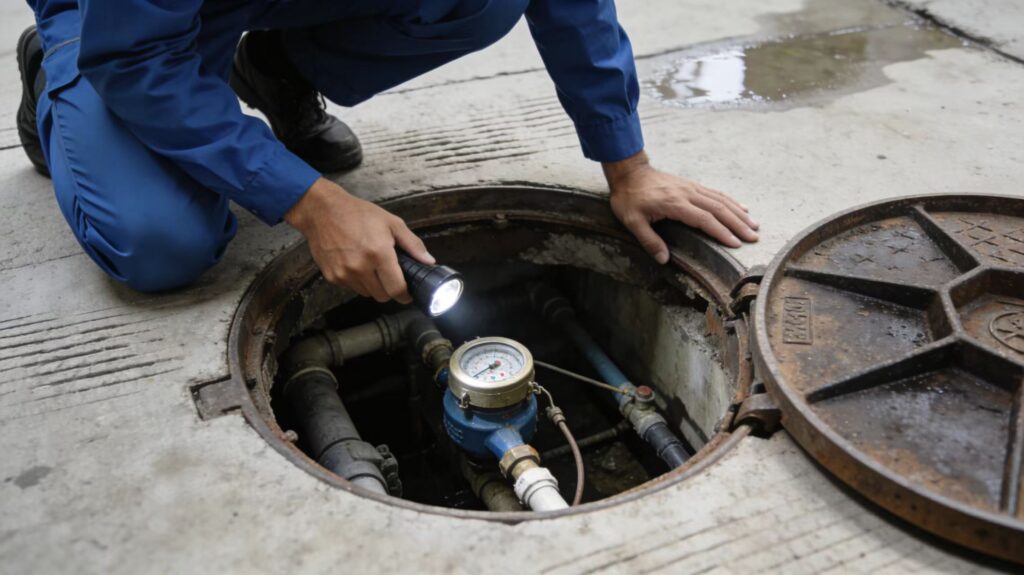
- In the Lawn Near the Street or Sidewalk: The water meter is usually placed in the yard close to the street, buried in a plastic or metal box underground. Look for a round or rectangular cover, often marked with “Water” or a similar symbol.
- Near the Property Line: It’s often located near the boundary line between your property and your neighbor’s, or close to the edge of the driveway.
- Meter Pit: In some newer neighborhoods, water meters might be installed in a deeper plastic barrel called a “Meter Pit,” covered with a heavy metal or composite lid.
Step 2: How to Safely Open the Water Meter Box
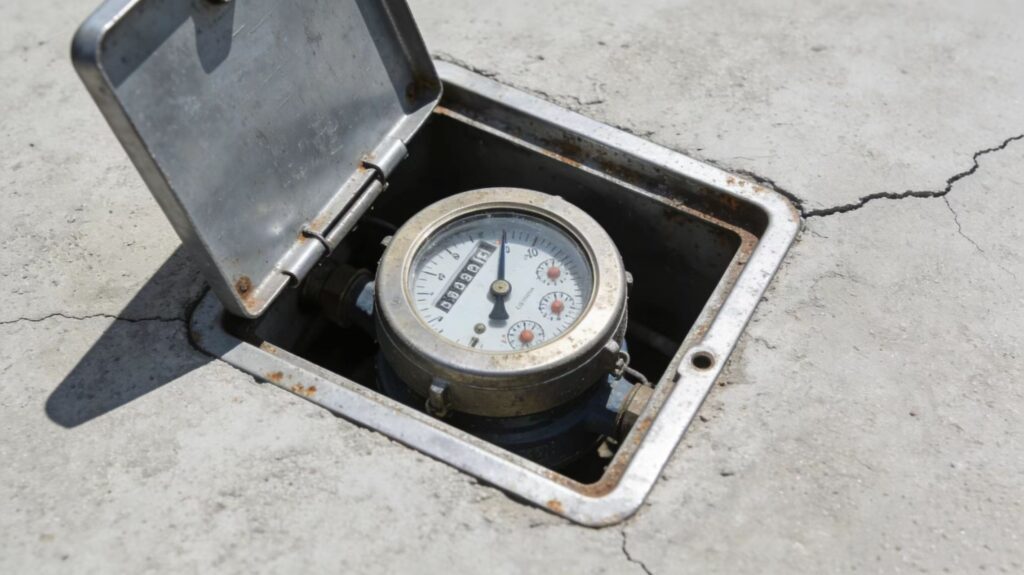
1.If you find an outdoor meter box, opening it requires some technique and caution.
- Preparation: You’ll need a long flat-head screwdriver or a pair of pliers. Some meter covers have specific slots designed for prying.
- Safety Warning: Before fully opening the lid, gently lift it with your foot or tool just enough to peek inside. Check for insects (like fire ants), spiders, or other small animals. Meter pits are ideal habitats for them.
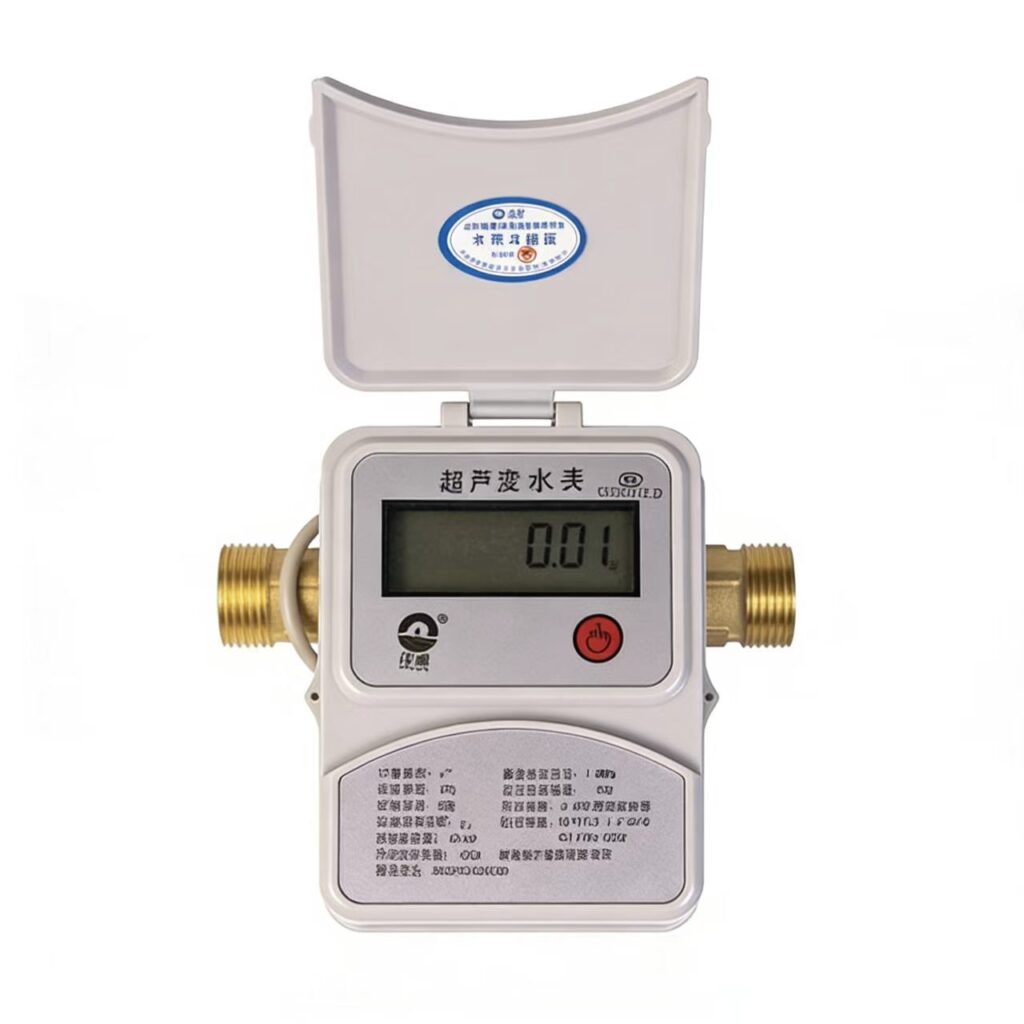
- Watch for Wires: Many modern meters have a long sensor antenna attached to the inside of the lid for remote reading. Open it gently to avoid damaging the wire.
2.What If You Still Can’t Find It? Handling Special Cases
If you’ve followed the steps above and still haven’t found anything, there might be a few explanations:
- Apartments or Multi-Family Dwellings: If you live in an apartment, the meter might not be inside your unit. They are often centralized in a locked mechanical room downstairs, in the basement, or in a plumbing chase on each floor. You’ll need to contact property management or your landlord.
- Shared Meters: In some older homes or converted duplexes, multiple units might share one water meter. This meter is usually located in a common area between the units or on one property’s land.
- Covered or Buried: Outdoor meter lids can become covered by dirt, grass, or new sod over time. You can use a thin metal rod to gently probe the likely area in your front yard.
Step 3: What Can You Do Once You Find the Meter?
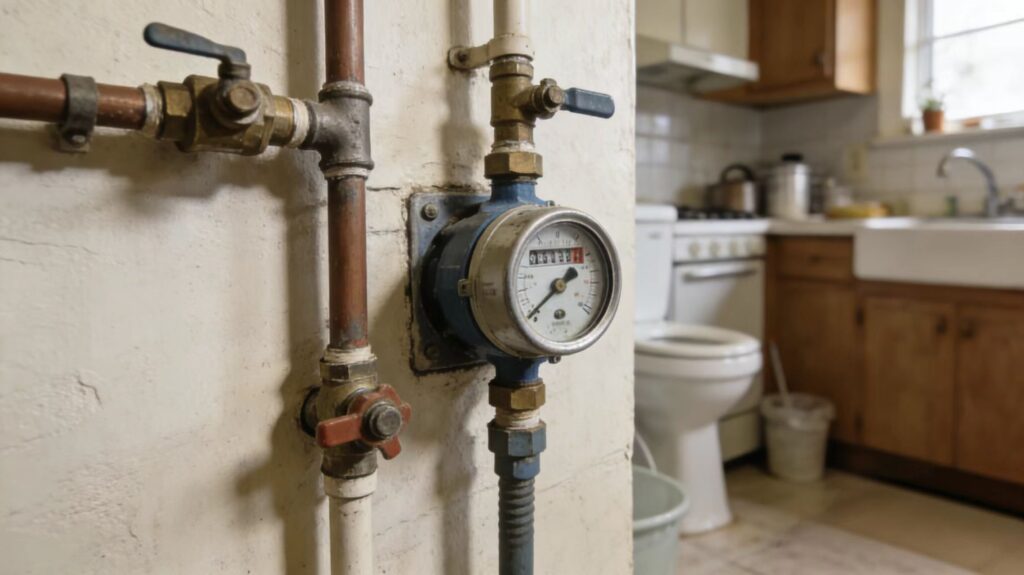
Once you’ve successfully located it, you can use it for two important things:
- Emergency Shut-Off: Find the valve next to the meter. Note that there are usually two valves: one belonging to the water utility company (typically before the meter, closer to the street). Never tamper with this one, as it’s illegal. You should operate your own valve (typically after the meter, closer to your house). If a pipe bursts, closing this valve immediately stops the water supply.
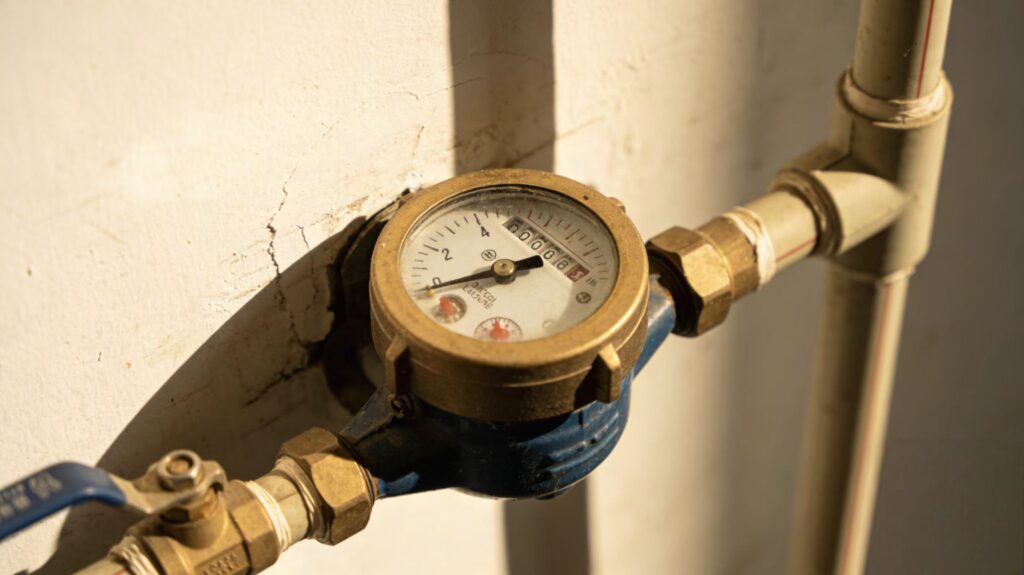
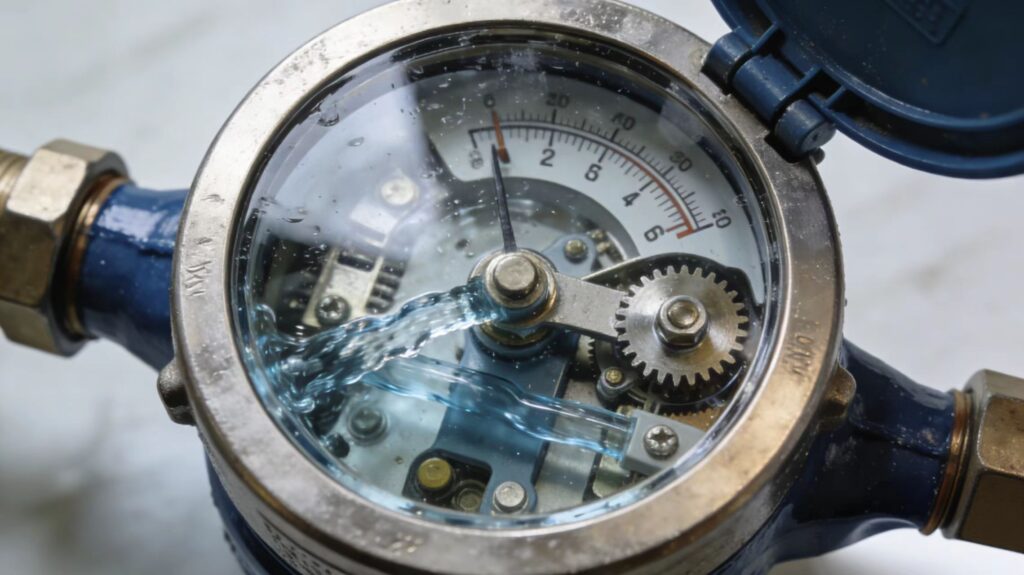
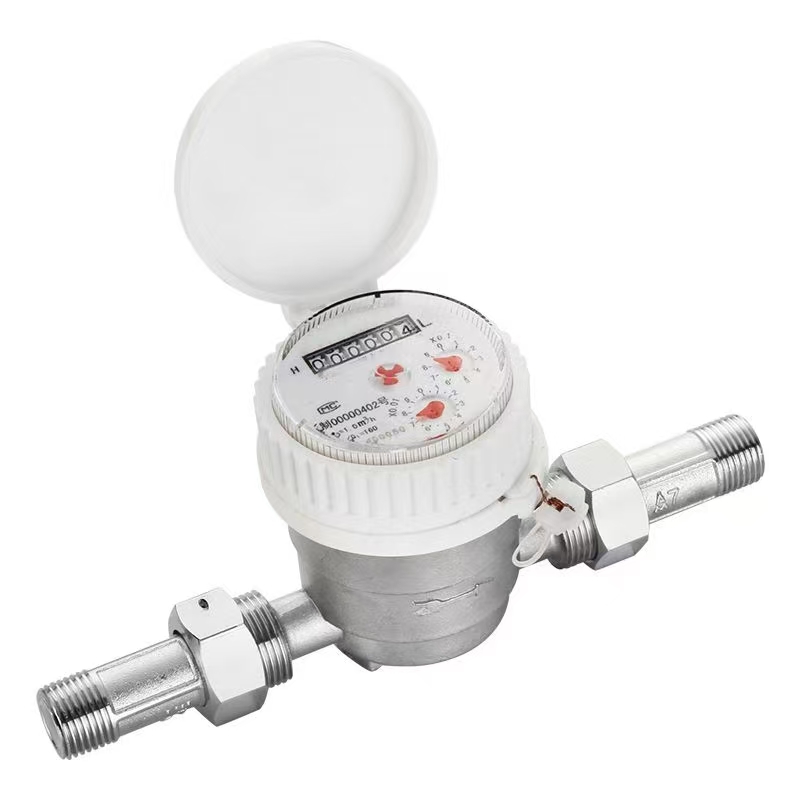
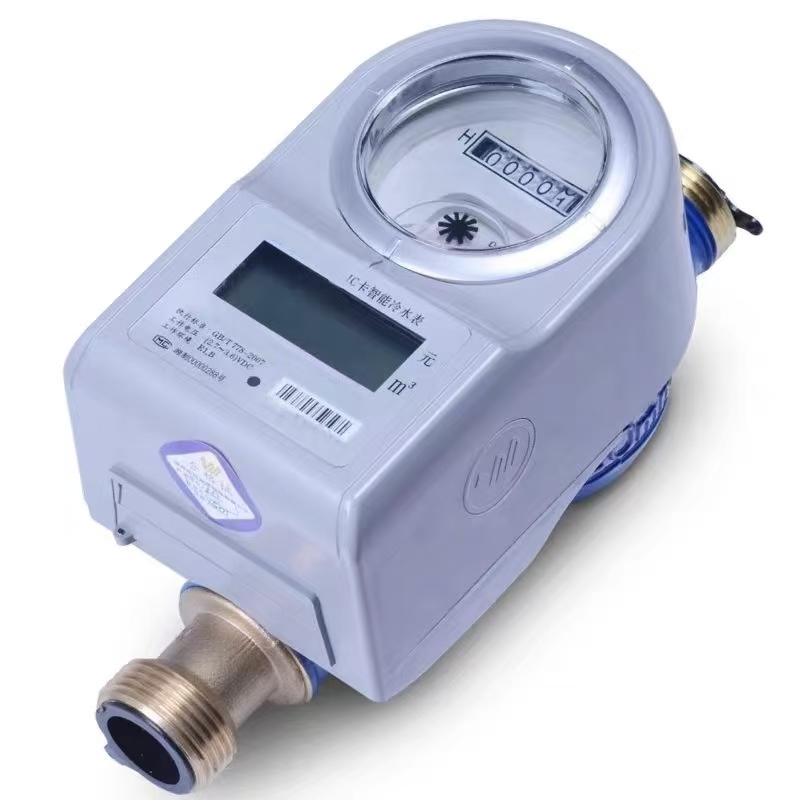
- Checking for Leaks: After ensuring all faucets in the house are turned off, observe the small triangle or red gear on the meter. If it’s still spinning or moving, it indicates a leak somewhere in the house.
| Meter Type | Typical Locations | Key Identifying Features | Finding Tips |
|---|---|---|---|
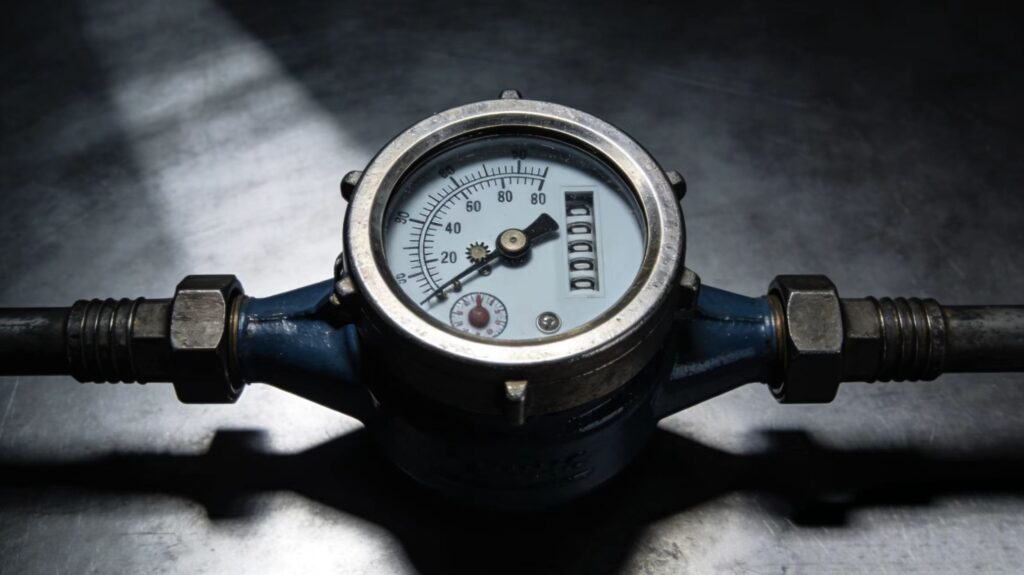
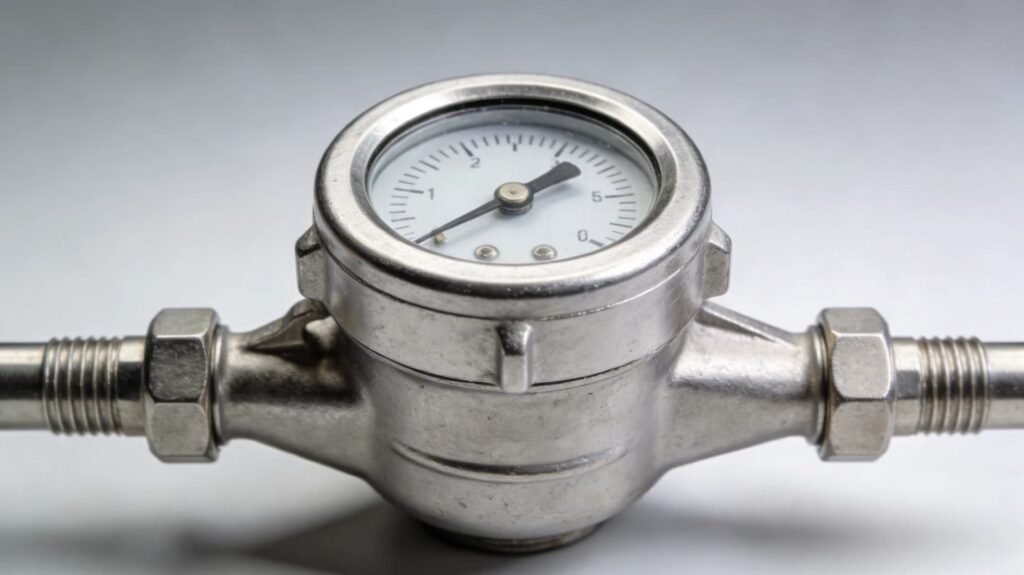
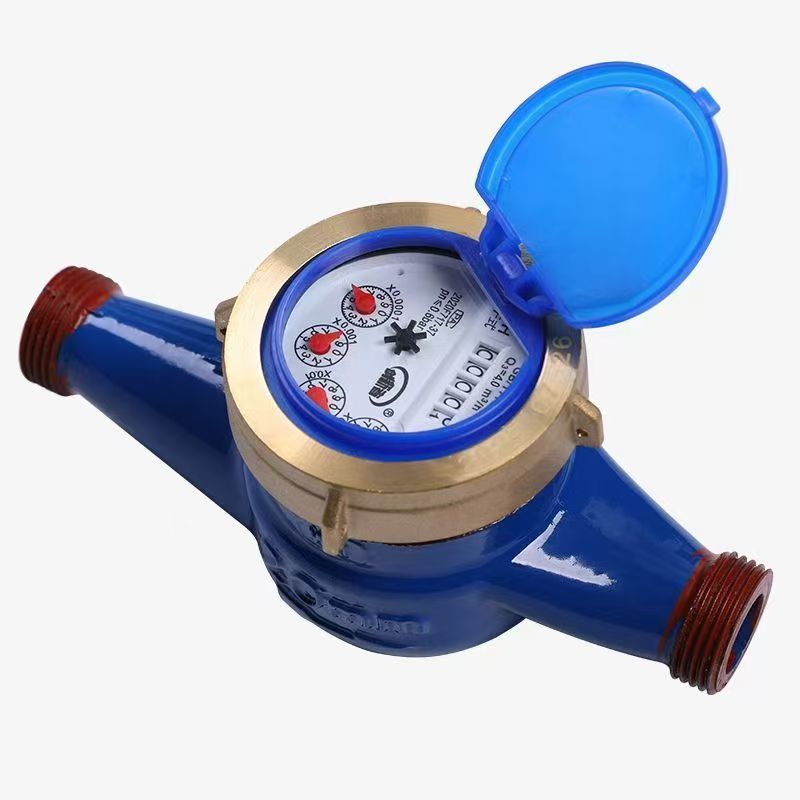
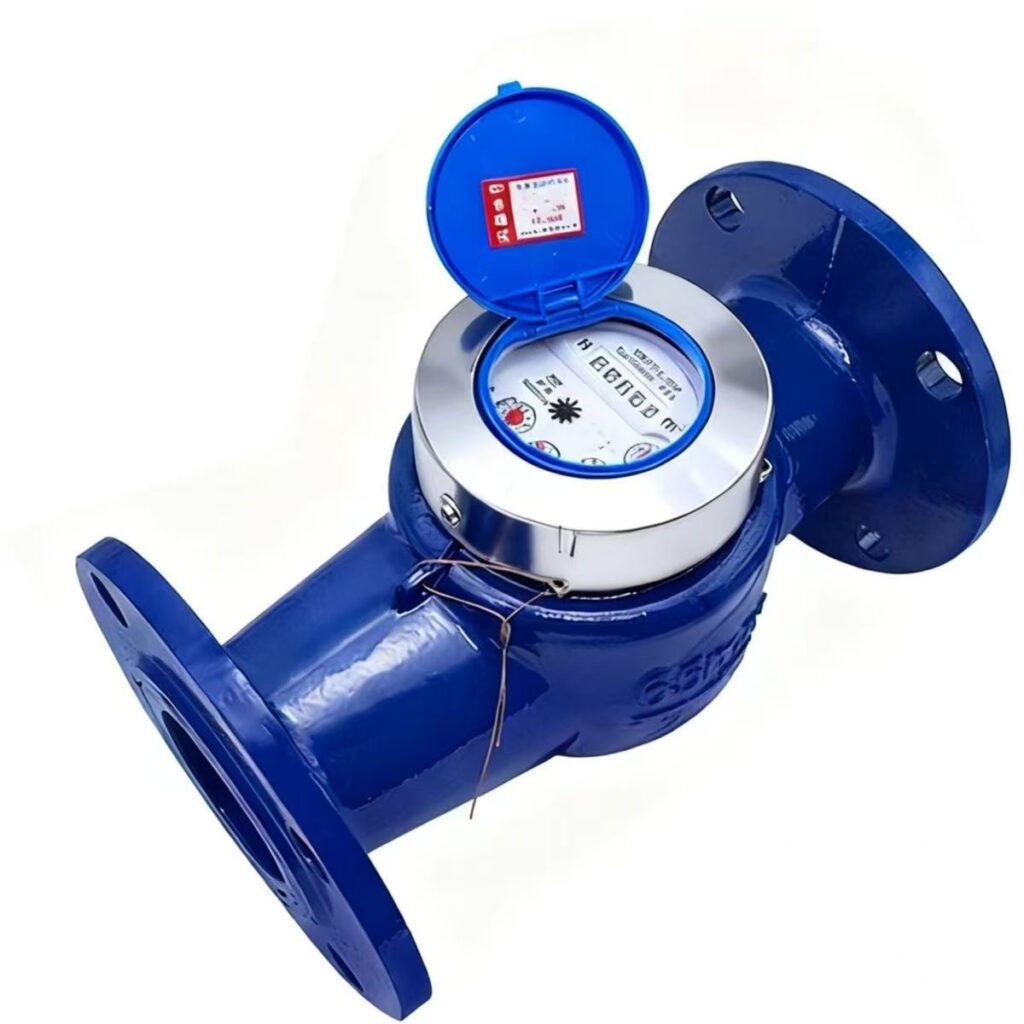
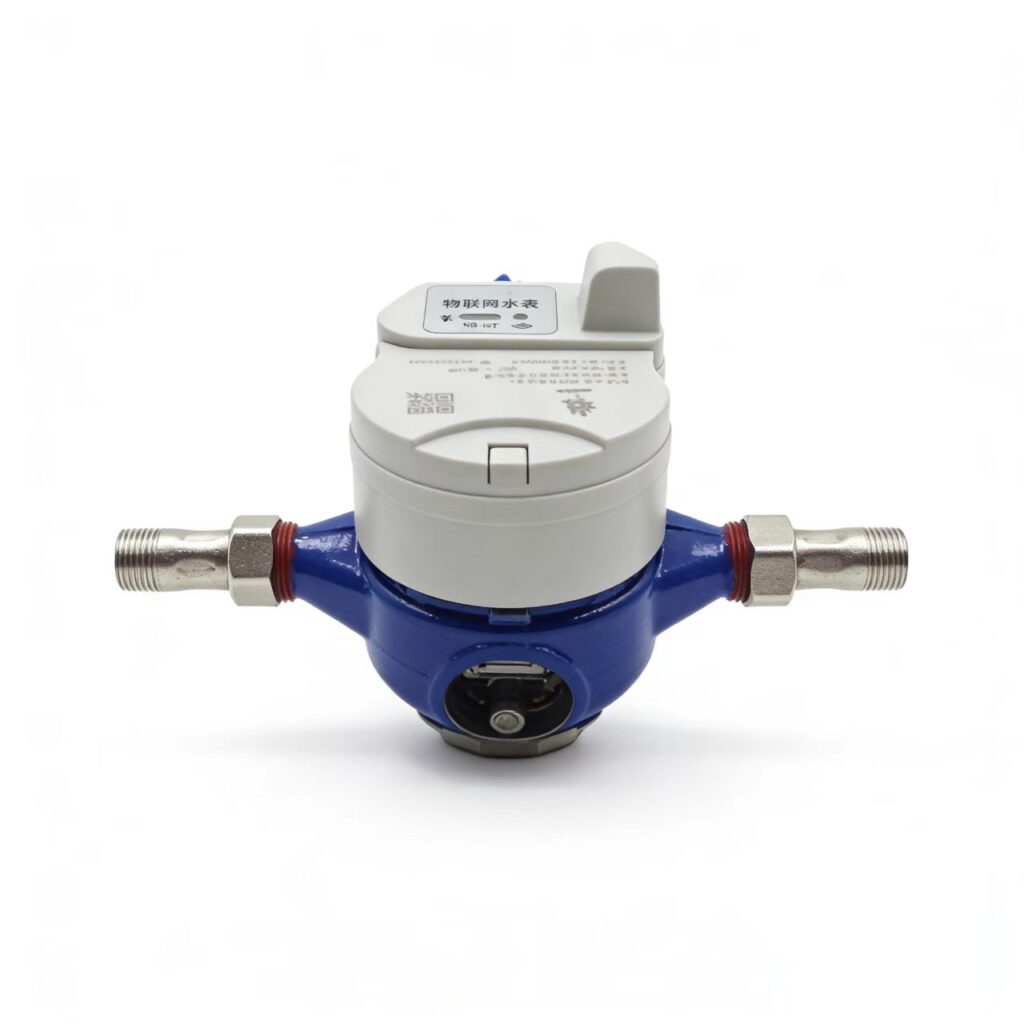
| Indoor Meter | Basement, under sink, near water heater | Metal body, counter resembling a car odometer | Follow the direction of the main water line entering the house |
| Outdoor Meter | Front yard lawn, near sidewalk | Underground plastic/metal box, lid marked “Water” | Pry lid open carefully with a tool, watch for insects/ants |
Conclusion
Finding your home’s water meter might seem like a small task, but as we’ve explored in this article, it’s crucial for protecting your property in emergencies, monitoring daily water costs, and understanding your home’s basic infrastructure. Whether it’s for handling a sudden burst pipe or simply for conserving water, knowing the meter’s location and basic operation gives you greater control over your home.
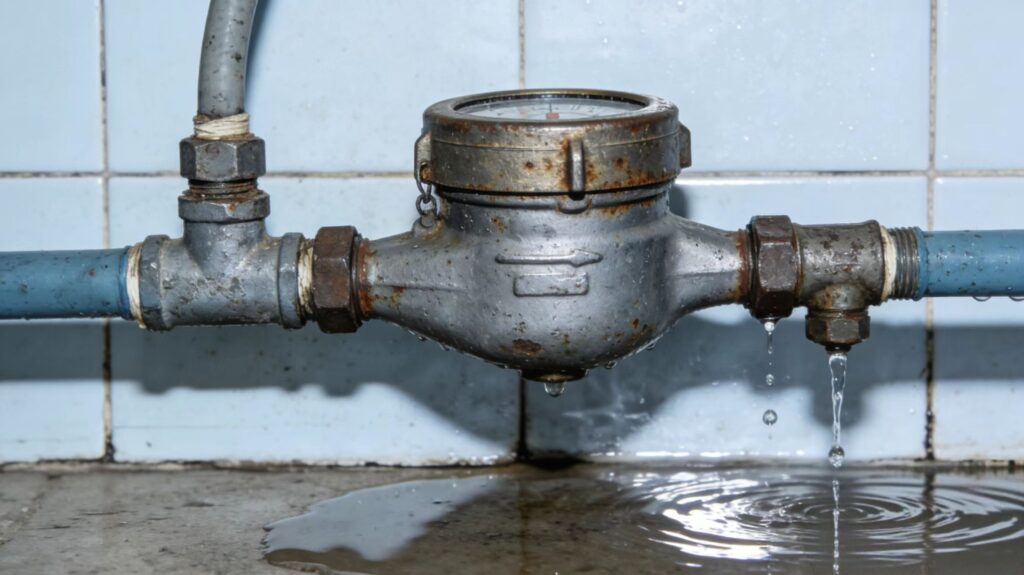
I hope this guide helps you successfully locate that sometimes “well-hidden” little device, much like solving a puzzle. Once you’ve found it, take a moment to check the surrounding area for any signs of moisture or rust, and jot down the current reading. This isn’t just an exploration; it’s a proactive step in maintaining your home’s safety. Of course, if you encounter a stubborn lid or an unfamiliar valve during the process, always prioritize safety and consult a professional or your local water utility company.
Remember, understanding your home starts with knowing every pipe and every gauge.
Authoritative References and Further Reading
【1】 WaterSafe (UK). Where is my water meter? A UK-based register of approved plumbers recognized by the water industry, providing detailed instructions on where water meters are typically located indoors (e.g., under sinks, utility cabinets) or outdoors (near property boundaries).
【2】Oakland County, MI. Water Metering – Frequently Asked Questions. Official website of the Oakland County Water Resources Commissioner’s Office in Michigan, providing an index of frequently asked questions regarding water meter location and reading.